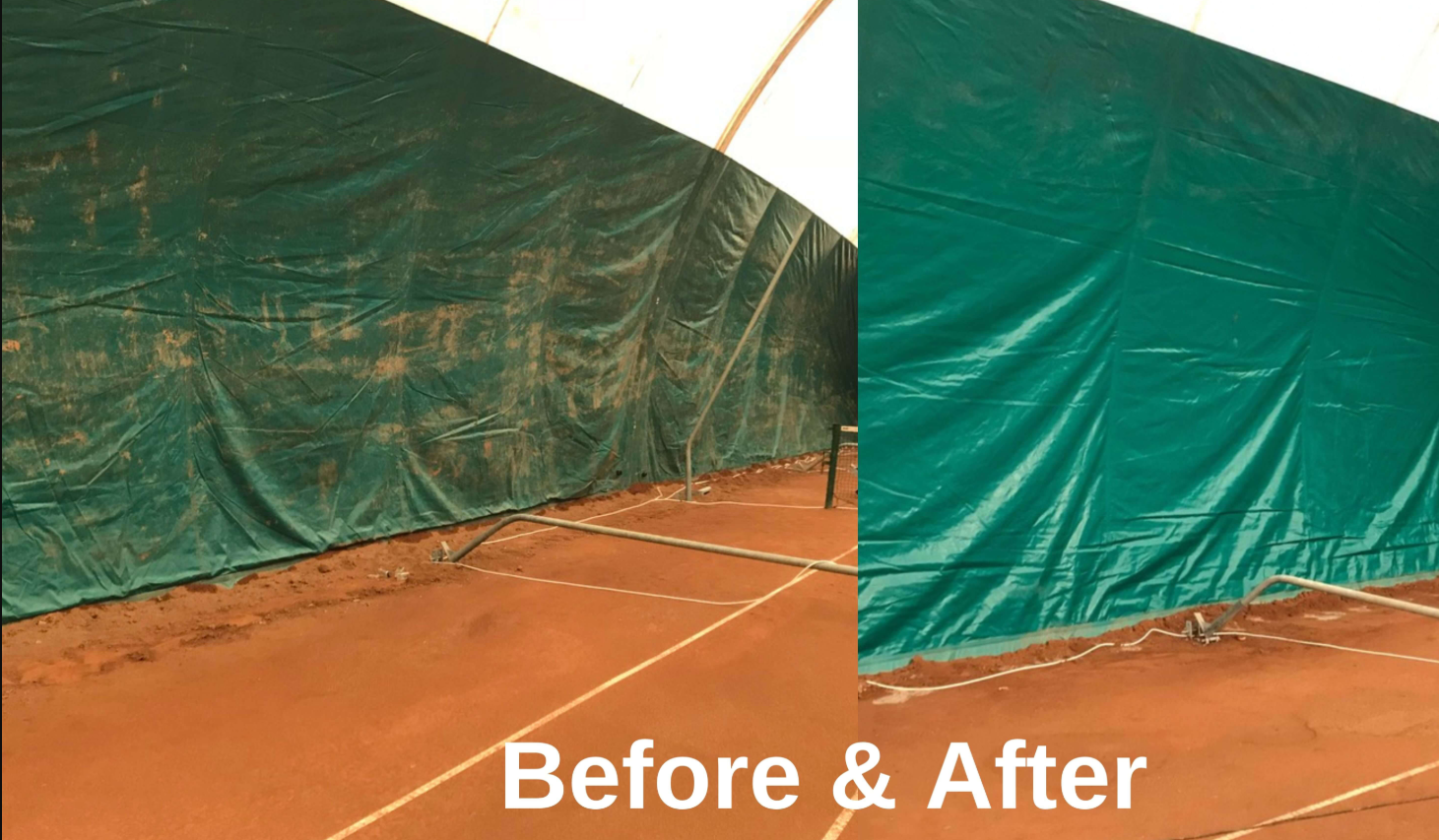
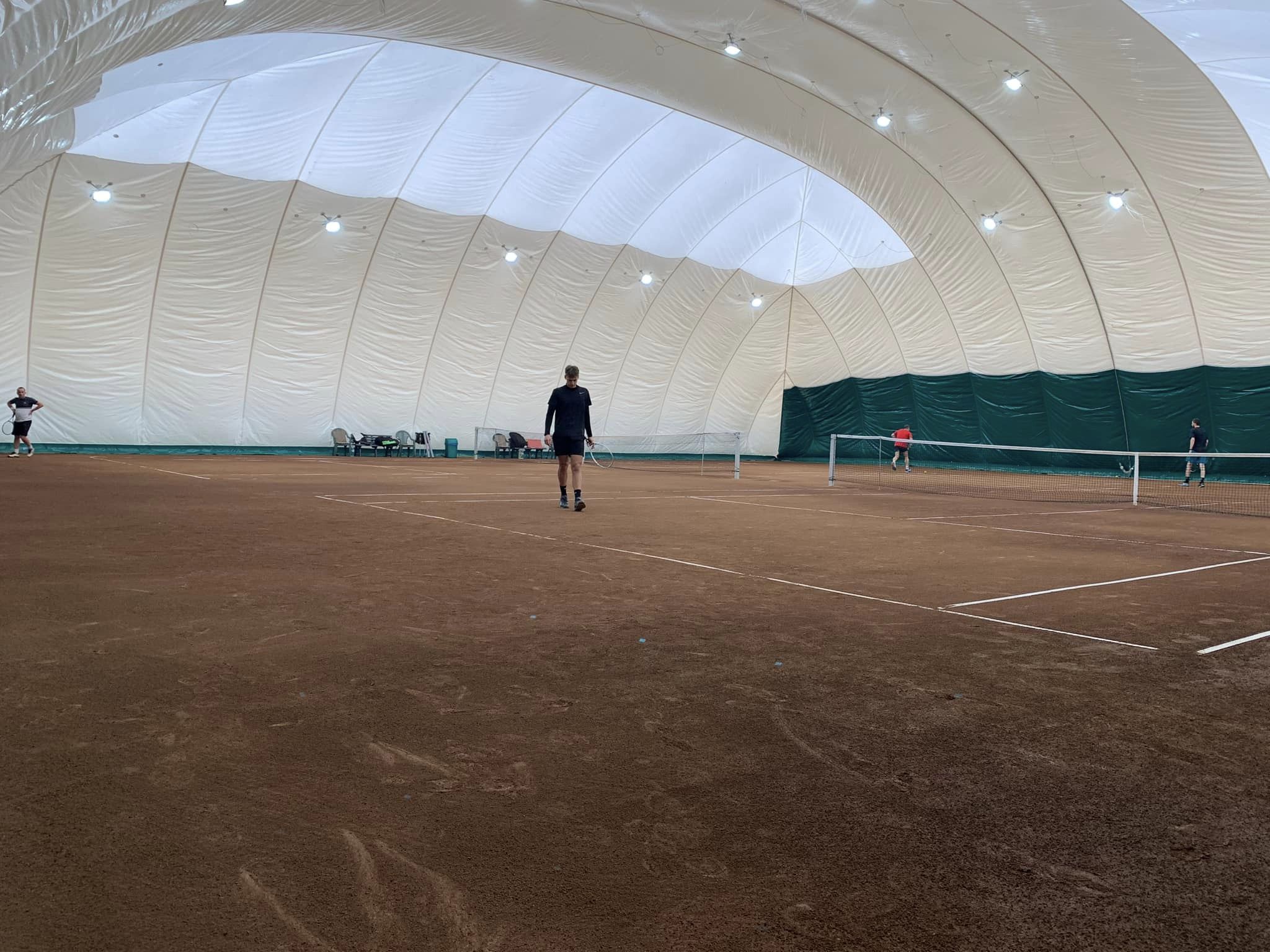
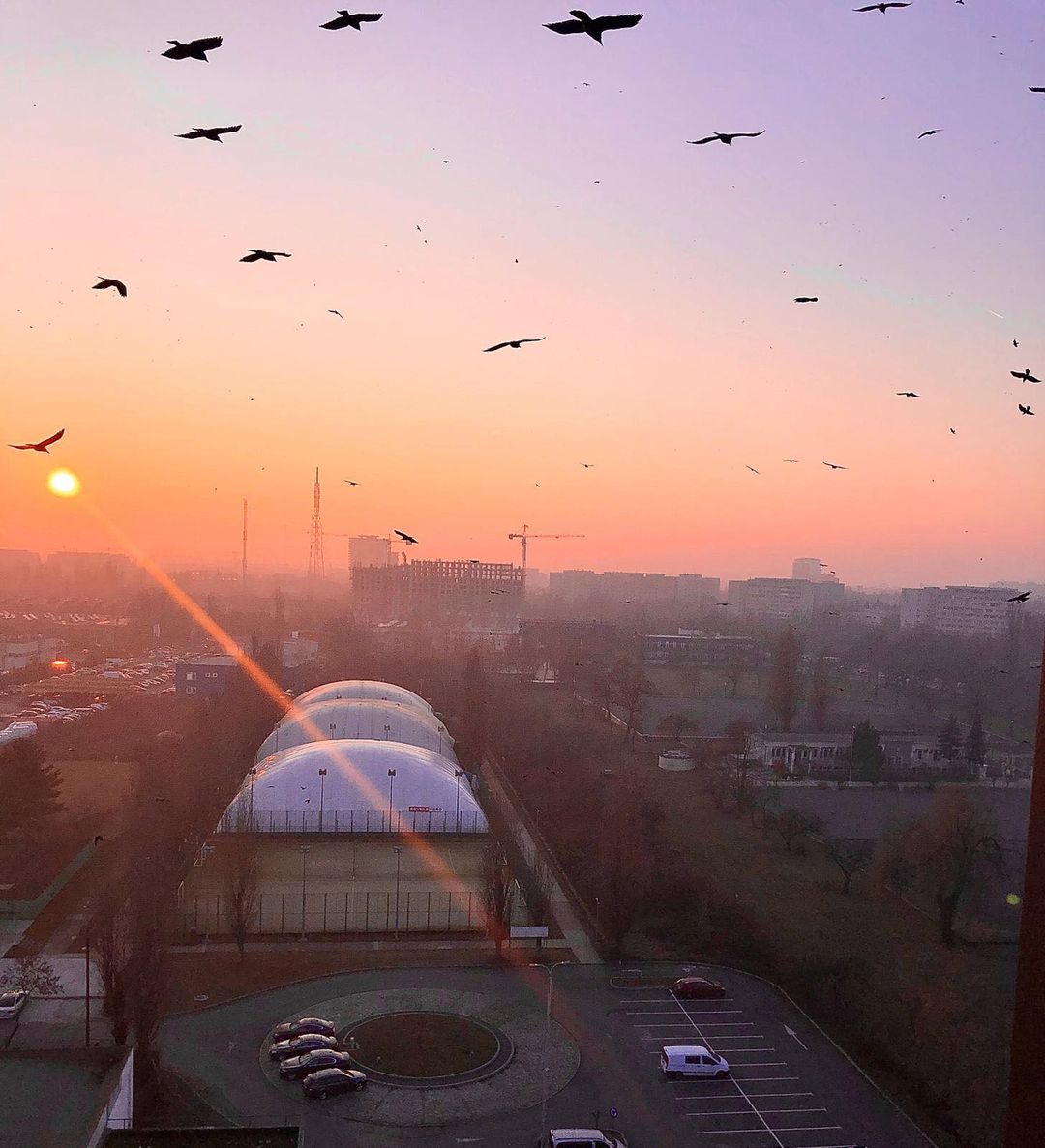
Maintaining clean air domes is crucial for their longevity and effectiveness.
Cleaning Techniques: Depending on the size and material of your air dome, different cleaning methods may be required. For most domes, gentle washing with a mild detergent and a soft-bristled brush can effectively remove dirt. For larger or more delicate structures, consider hiring professionals with the right equipment to handle the task safely.
Preventive Measures: To minimize the need for frequent cleanings, take preventive measures such as storing the air dome during the summer season in a shed, not under direct sunlight. Also, ensure that the area surrounding the air dome is clean and free of debris that could be transferred to the dome’s fabric.
Professional Assistance: If you’re unsure about the best way to clean your air dome or if it requires specialized care, don’t hesitate to call in experts. Professional cleaning services can provide the necessary equipment and expertise to clean your dome safely and effectively.
Remember, a well-maintained air dome not only looks better but also performs better, ensuring a safe and comfortable environment for its users.
Universities seeking to enhance their campus with a year-round, versatile sports and recreational facility should consider the unique benefits of air-supported domes. These domes, expertly constructed and serviced by Herox, offer a spacious interior free of beams, ideal for a variety of activities. With a strong focus on safety, comfort, and cost-efficiency, Herox domes are designed to withstand extreme weather conditions. They feature advanced insulation (R-10 value), automated controls, and environmental sensors, ensuring a consistent internal climate and reduced operating costs.
The construction process is transparent and straightforward. Herox provides detailed guidance on design, building requirements, and costs, ensuring clients are well-informed. Additionally, Herox offers a comprehensive digital content library for research at your convenience.
Key features of Herox domes include:
Durable fabric membrane with high-grade insulation.
Retention cables for stability.
All necessary entrances and emergency exits.
Efficient HVAC systems for dome inflation and temperature control.
Advanced environmental sensors.
Customized LED lighting and interior fixtures.
Full installation and setup for turnkey operation.
A third-party general contractor, hired by the dome owner, is responsible for site preparation, including foundation work and utility installations. Herox collaborates closely with these contractors to ensure smooth, on-time, and on-budget project completion.
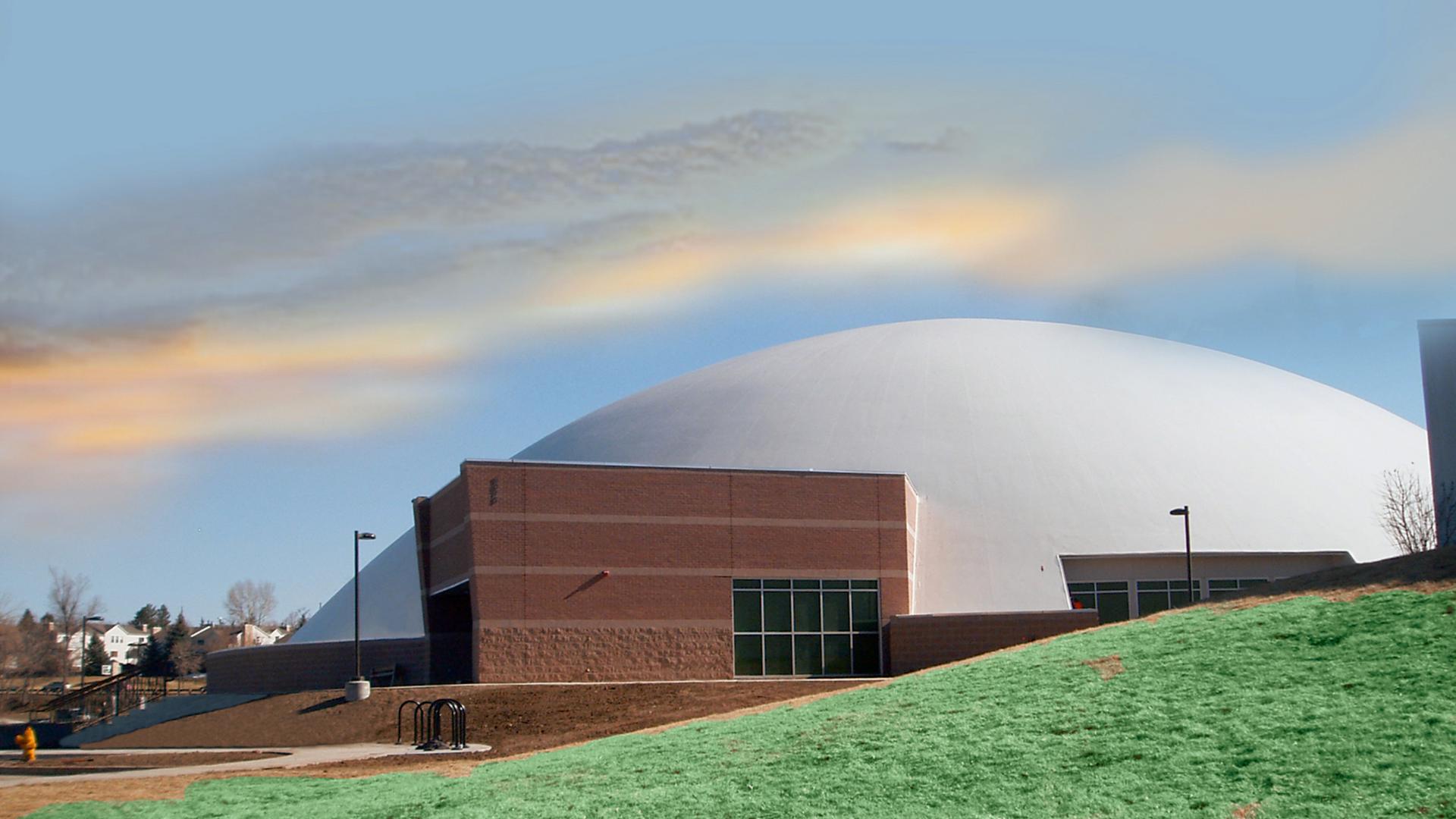
Domes are a significant addition to university campuses, offering a multifunctional space for sports, club activities, and community events. They are a symbol of the university’s commitment to student wellbeing and can be a powerful recruiting tool. Herox recommends universities directly engage with dome suppliers for a partnership that extends beyond construction, encompassing long-term maintenance and support. This approach ensures a reliable, expert partner is available for any operational queries, best practice advice, or emergency response, enhancing the overall value and longevity of the investment.
Air domes, widely used for sports facilities, storage spaces, and more, offer unique opportunities for enhancement. While they primarily serve a functional purpose, there’s increasing interest in improving their aesthetic and operational aspects. Here are four popular upgrades for air domes that balance both form and function.
Installing Skylights: Natural lighting is a game-changer for air domes. Skylights not only reduce reliance on artificial lighting during the day but also create a more pleasant, inviting interior atmosphere. They can be strategically placed to maximize daylight exposure while adding an architectural element to the dome’s appearance.
Higher Energy Efficiency Membrane: Upgrading to a more energy-efficient membrane is both an environmentally conscious and cost-effective move. Newer materials offer better insulation, reducing heating and cooling costs. These membranes are not only functional but can also be designed in various colors and patterns to enhance the dome’s external appearance.
Transition from Tunnel to Revolving Doors: Replacing traditional tunnel doors with revolving doors can significantly improve an air dome’s energy management. Revolving doors minimize the loss of heated or cooled air, maintaining a consistent internal climate. This upgrade is particularly beneficial for domes in regions with extreme weather conditions.
Integrating Smart Capabilities: Modern technology allows for the integration of smart systems into air domes. These can include automated climate control, lighting systems, and even security features. Smart capabilities provide a higher level of control and efficiency, making it easier to manage the dome’s environment and security.
Each of these upgrades not only enhances the functionality of an air dome but also contributes to its aesthetic appeal and operational efficiency. As with any significant investment, it’s essential to consult with specialists to determine the best options for your specific needs and goals.
Building an air dome with Herox is a streamlined and cost-effective alternative to traditional construction, though it requires specific expertise. Herox collaborates with clients, ensuring they understand each stage of the process, from planning to long-term maintenance.
The development of a dome involves 13 key steps:
(1) Project Site Visits:
We invite potential clients to visit our previous projects to observe the exceptional quality of our installations. Recognizing the value of experiencing our product in real-world settings, these visits demonstrate the seamless operation and superior setup of our air domes in various clubs and will help the beneficiary in the project design phase.
(2) Project Design:
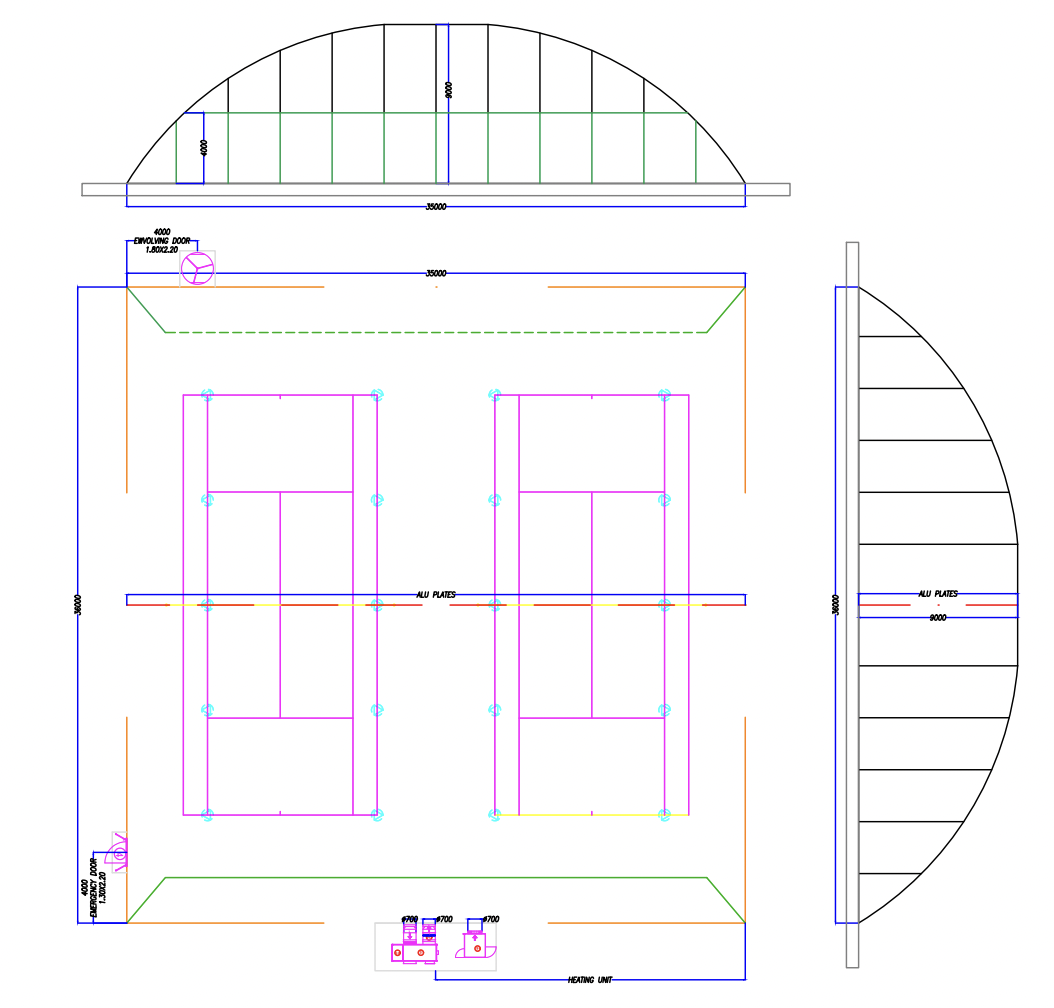
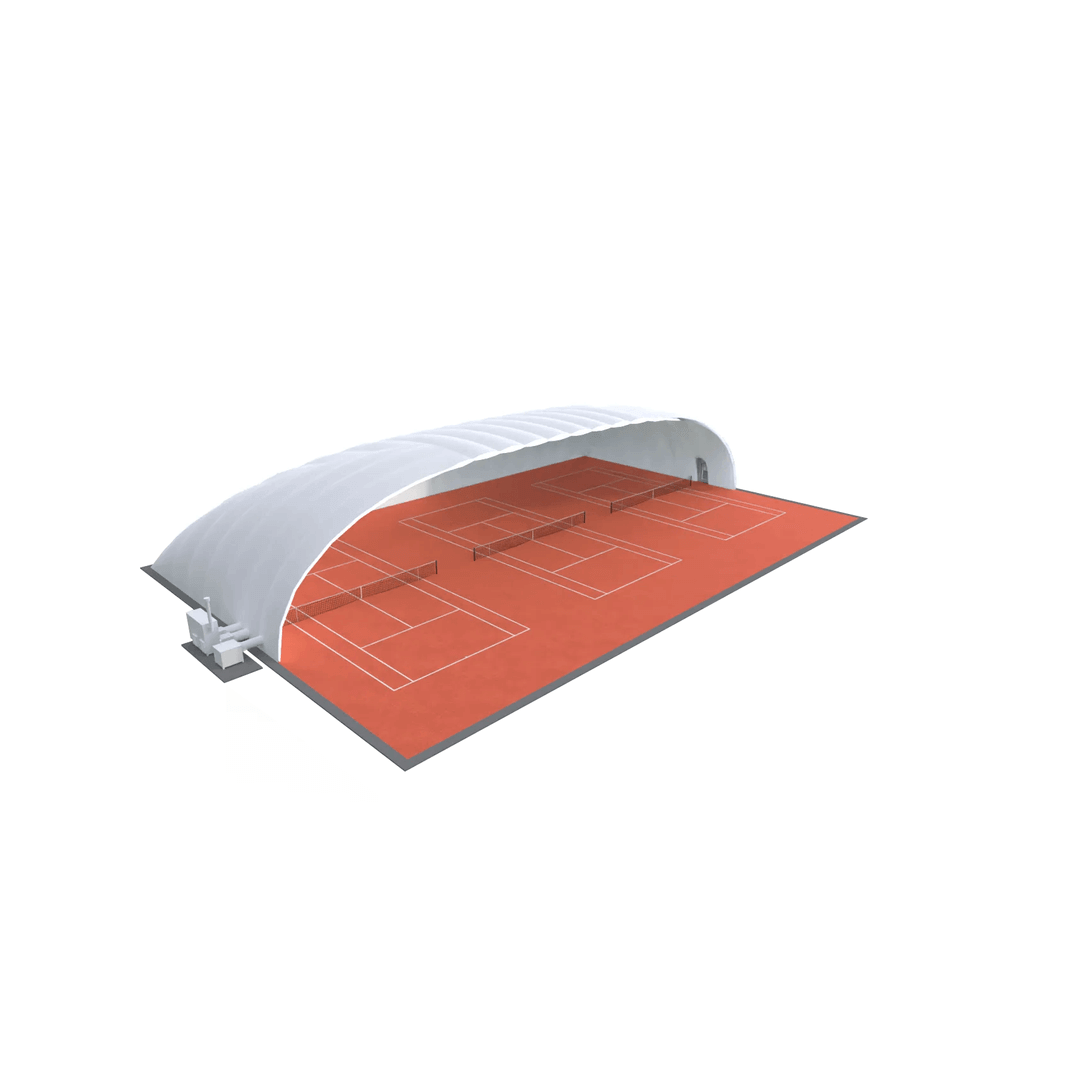
This initial phase involves understanding client needs, dome usage, and financial goals. Herox customizes each dome’s design, clarifying project requirements and working with a team of professionals, including general contractors and architects, for related projects like adjacent buildings and landscaping. This phase typically takes several months, followed by a permitting process that can last up to a year. During this process we create a detailed design of your prospective air dome. This design includes all critical aspects: dimensions, door placements, inflation units, lighting, membrane features, energy efficiency of both the membrane and inflation units. Following the design finalization, our structural engineers complete the drawings and ensure the dome is compliant with the local wind and snow load, paving the way for production and can provide stamped drawings if needed.
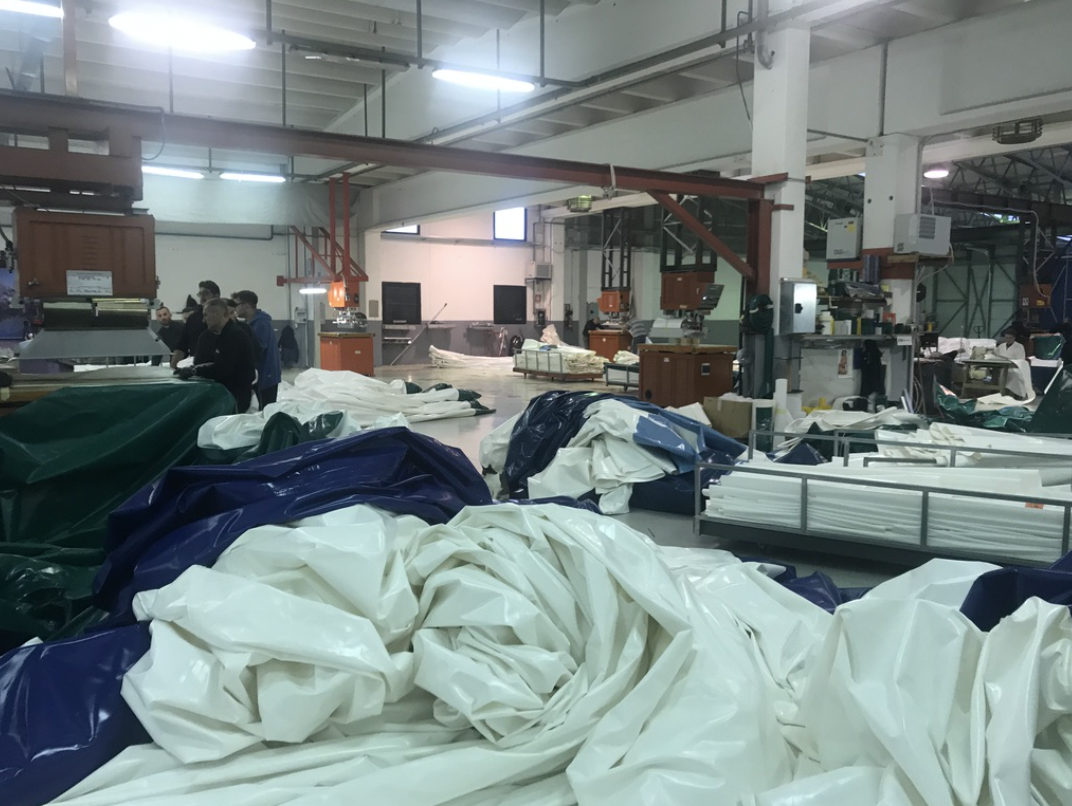
(3) Air Dome Manufacturing: Upon approval of the final design, we commence the manufacturing of the air dome, incorporating all agreed specifications, including accessories, doors, and inflation units.
(4) Site Construction:
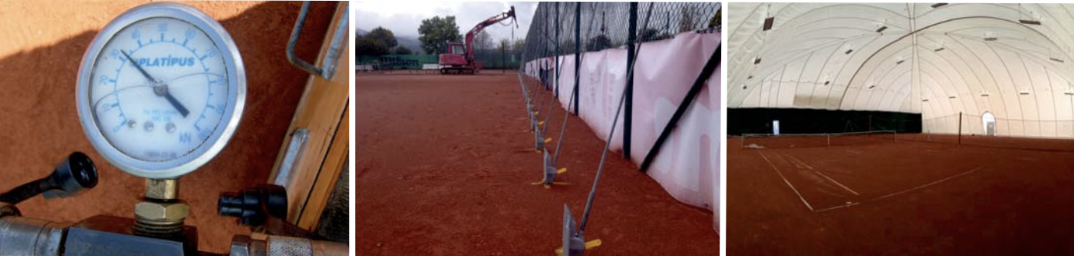
After obtaining permits, the general contractor prepares the site, including building a concrete foundation to anchor the dome. There are 4 major ways of anchoring a dome, Grade Beam, L-profiles, Tubes or Earth Anchors. This phase also involves setting up utilities for inflation, HVAC, and lighting systems, along with site improvements like parking and stormwater management.
(5) Production and Delivery:
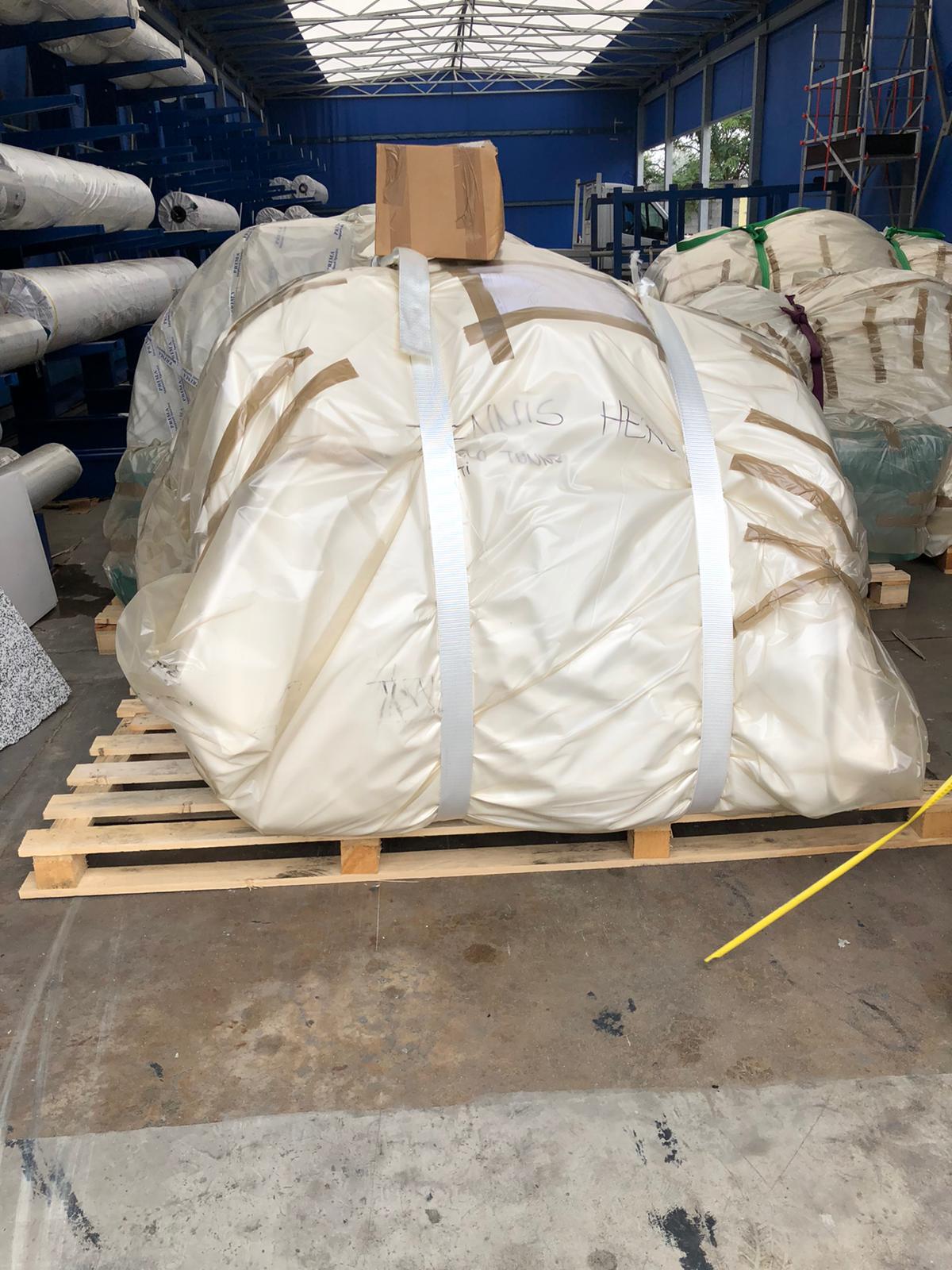
Production timelines range from 1 to 6 months, based on dome size and manufacturing capacity. When production finalises, we arrange transportation to your location.
(6) Unloading and Safety:
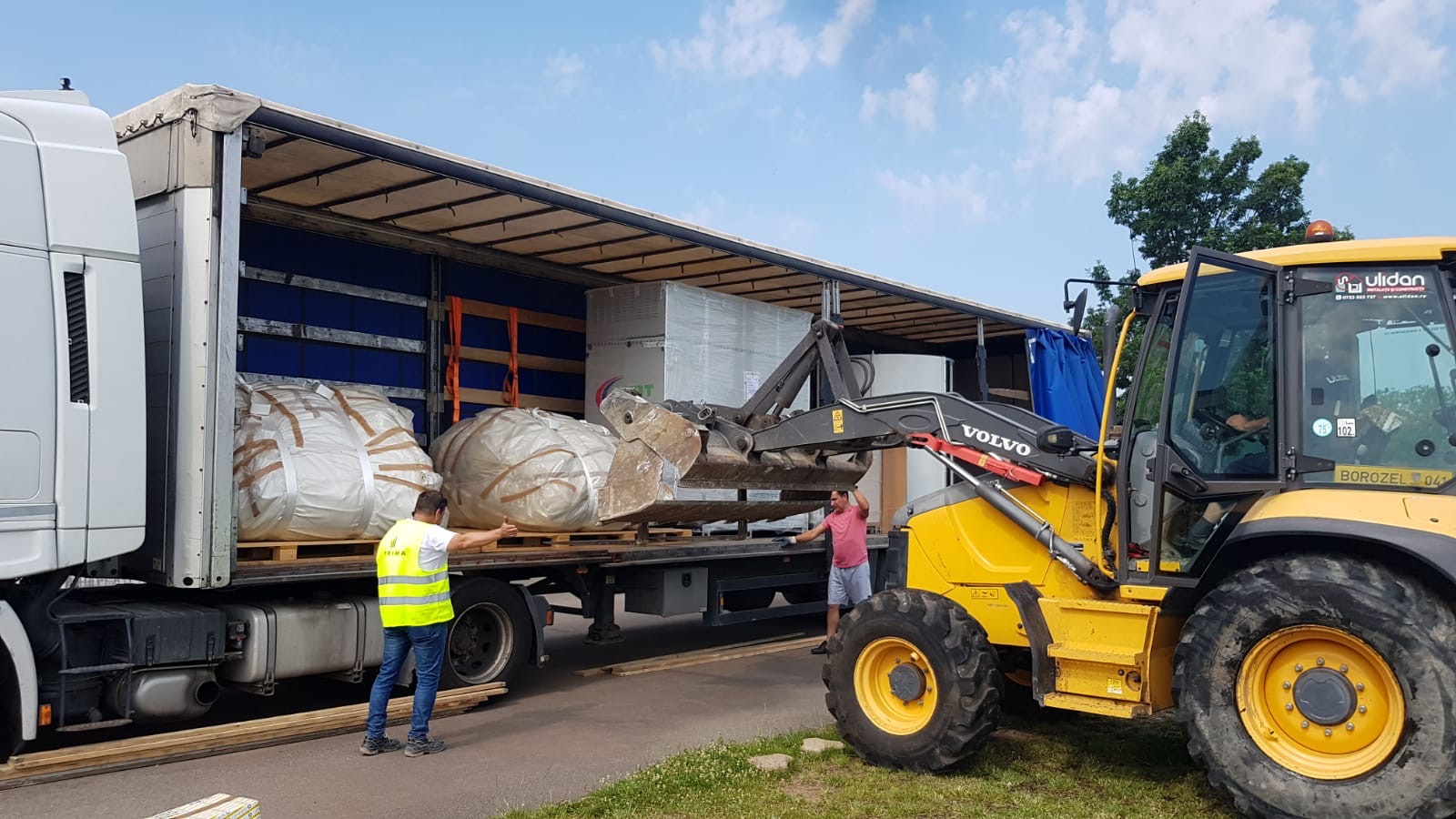
Upon arrival, immediate unloading and correct placement of components are crucial. Strategic positioning of the Inflation-Heating System is vital for noise reduction and maintaining distance from residential areas. The journey begins with the delivery of the air dome components. These include the fabric membrane, anchorage system, lighting, HVAC units, and all necessary hardware.
(7) Preparing the Surface:
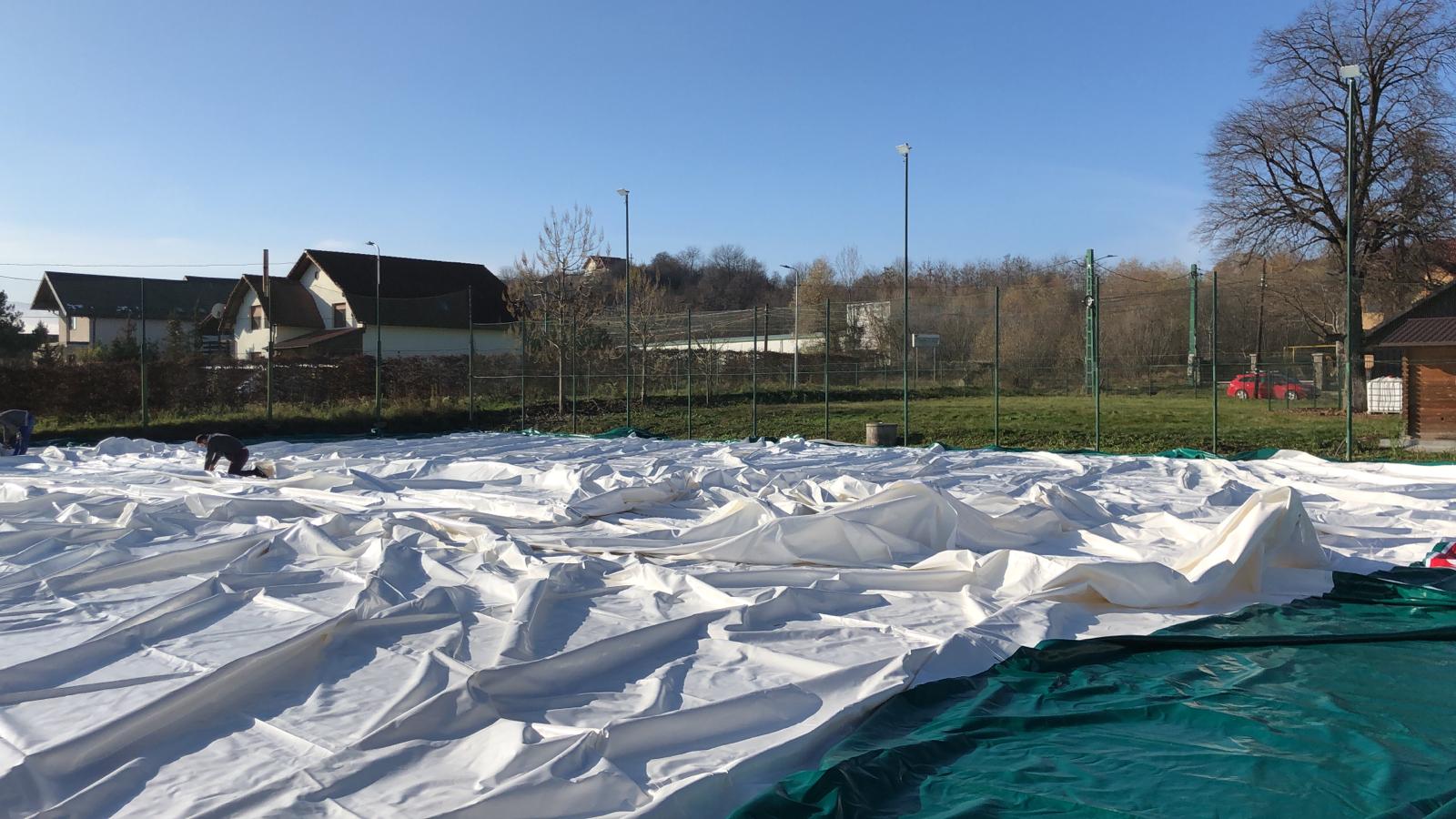
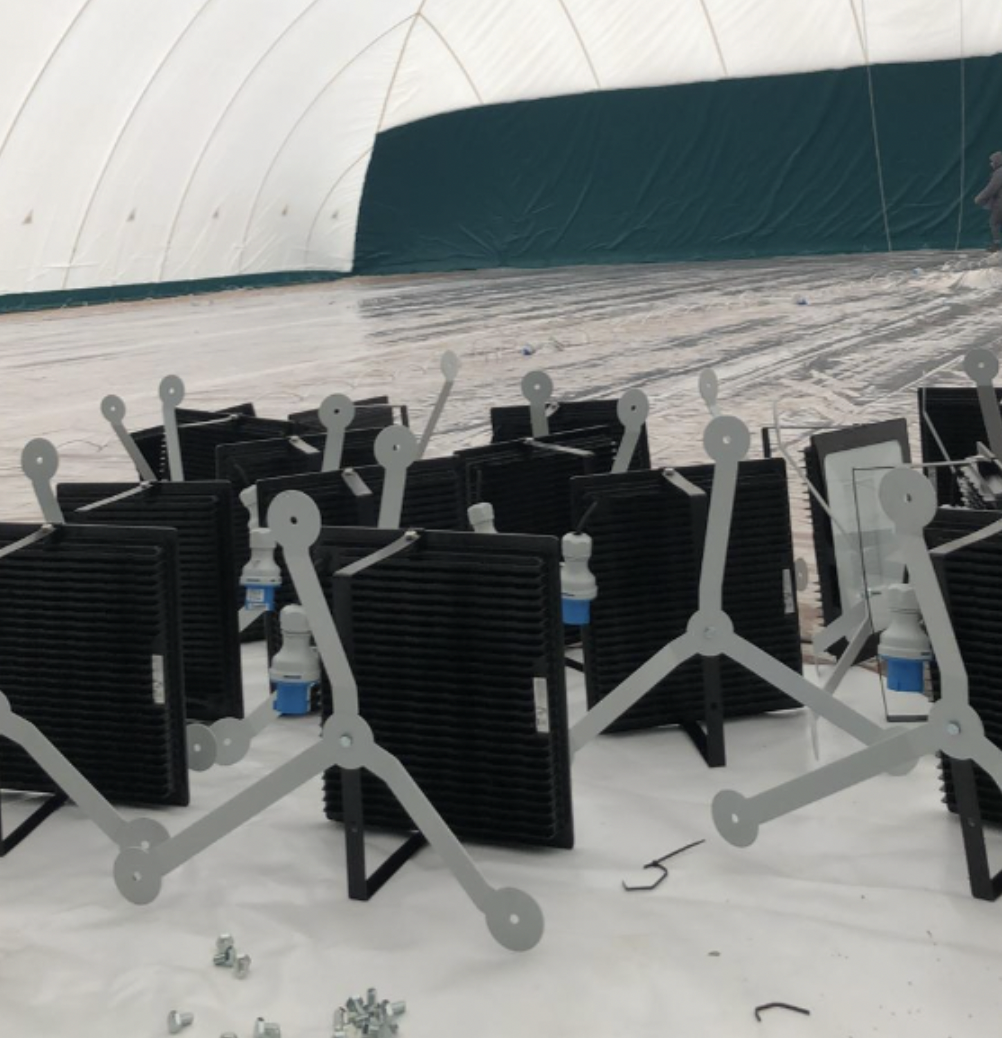
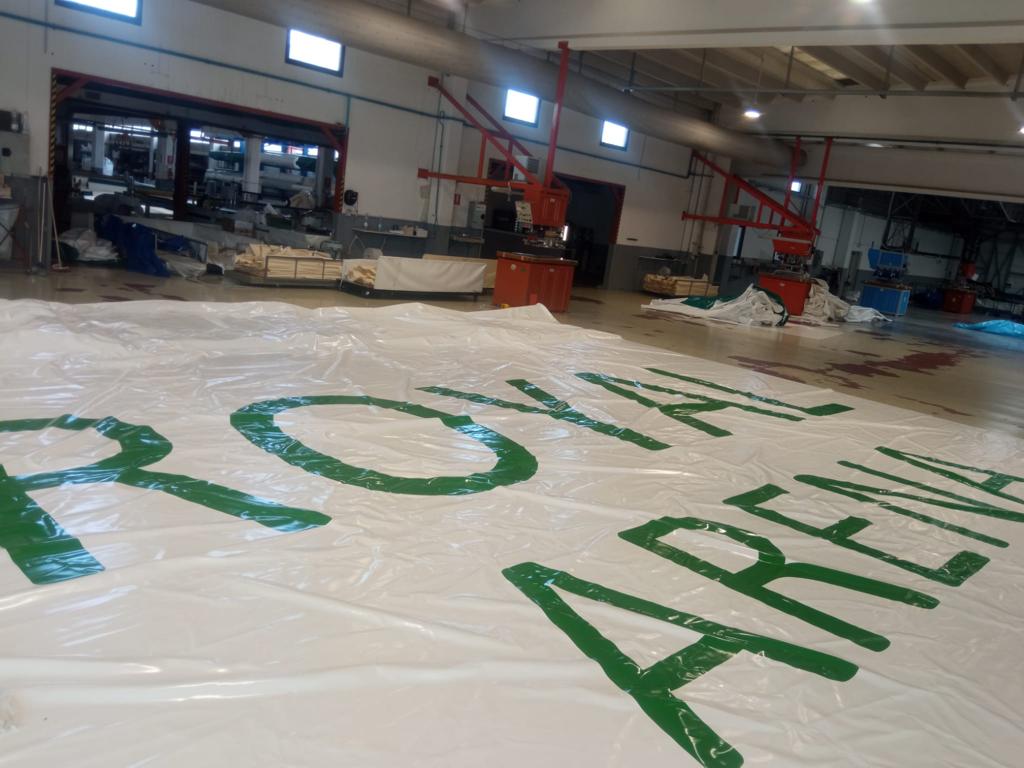
Prior to installation, removal of nets and other obstructions is required. A protective plastic layer is typically placed to safeguard the membrane and protect it from dirt.
(8) Dome Installation:
Herox’s team can provide a tehnician to supervise the installation of the dome or can install turnkey.
(9) Spreading the Membrane:
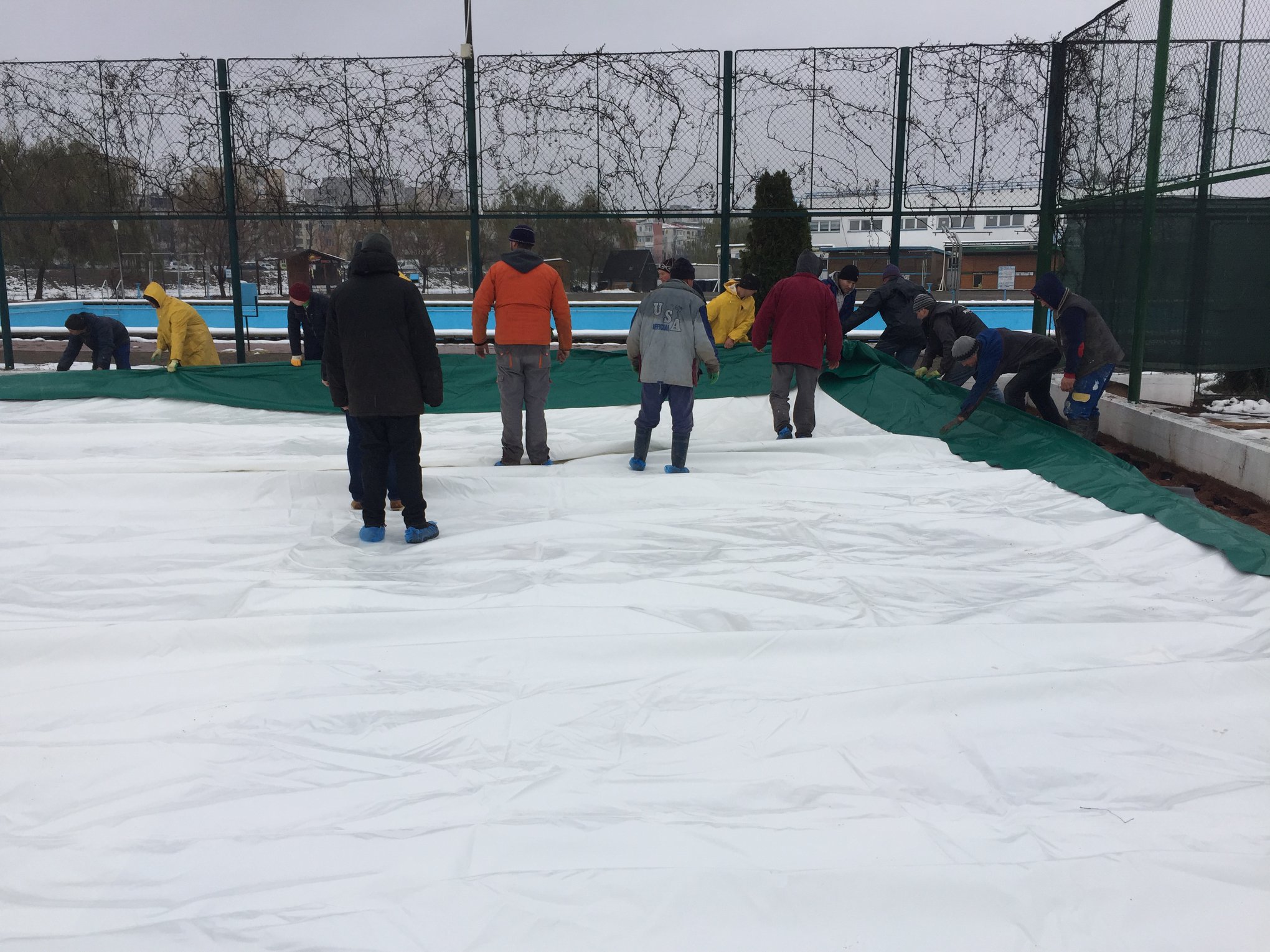
The fabric membrane, the heart of the air dome, is then carefully unrolled and positioned.
(10) Connecting the Membrane to the Anchorage System:
Accurate alignment and connection of the membrane to the anchorage system is crucial for dome stability. In this step the membrane parts are connected to one another and the membrane is connected to the anchorage system and doors.
(11) Inflating the Dome:
Post-anchoring, the inflation process begins. It is imperative to ensure the availability of triphase power and gas connections for the inflation and heating unit.
(12) Installing Lights:
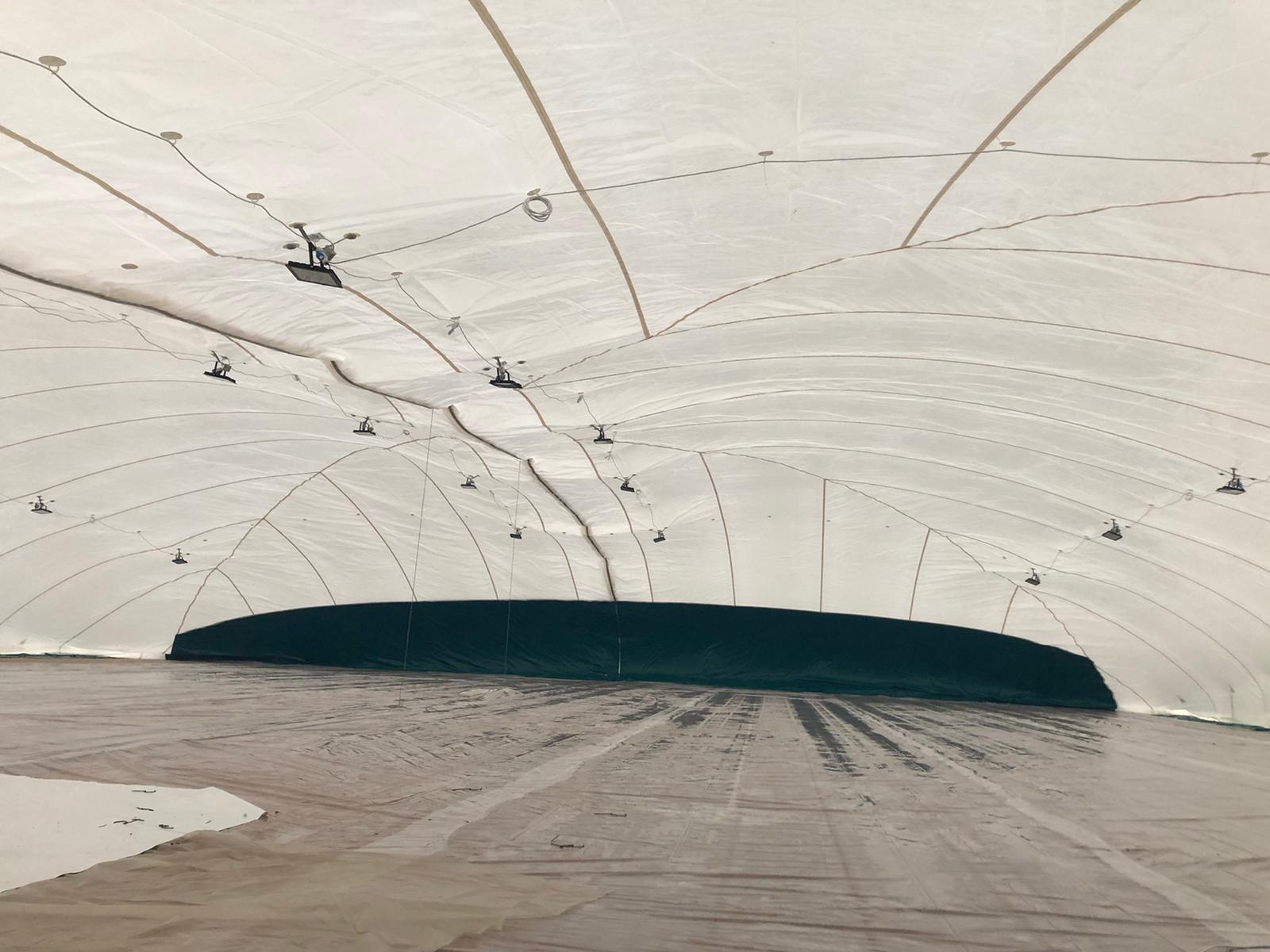
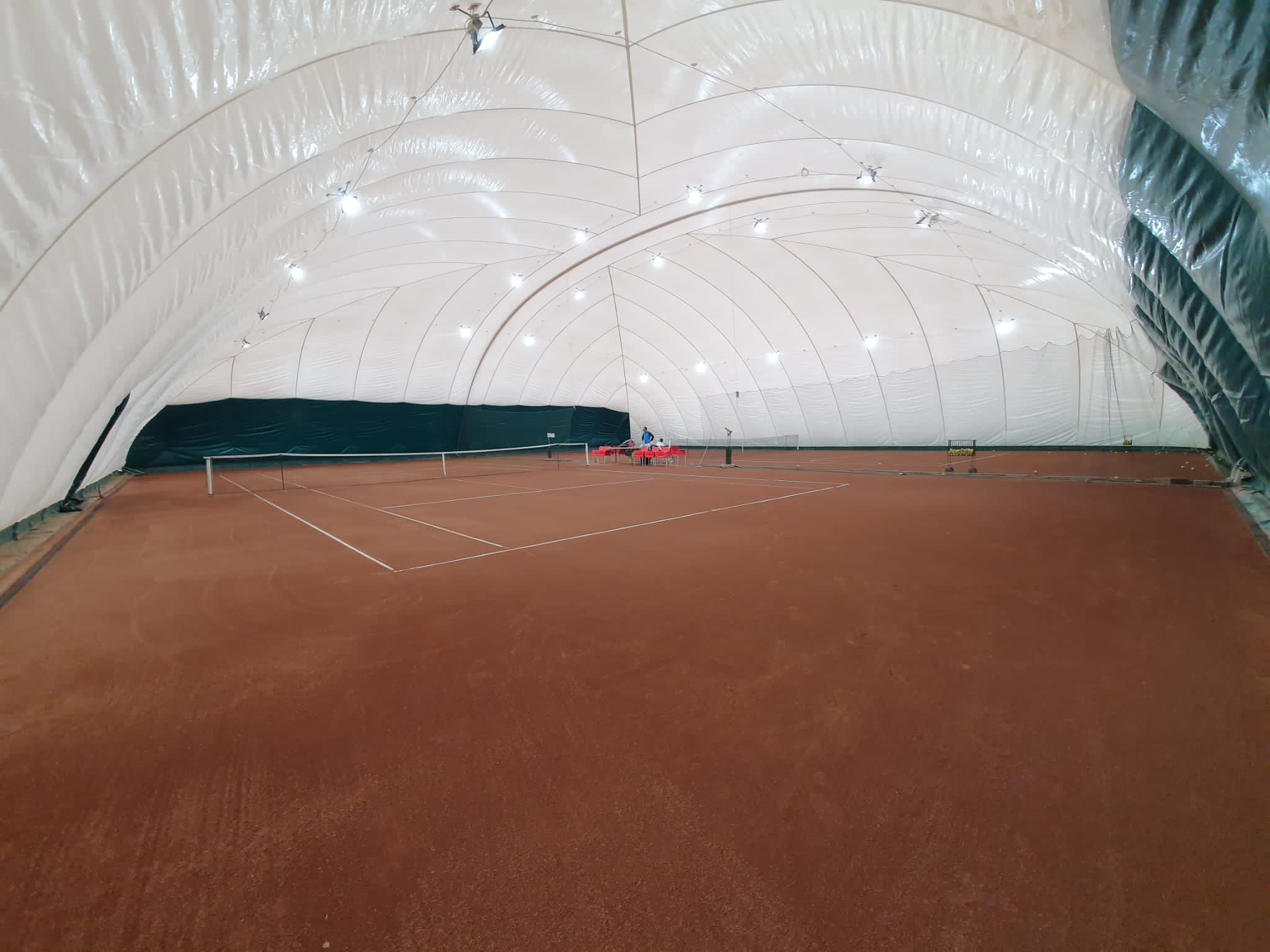
Concurrent with inflation or after the inflation has finalised, the lighting system is integrated into the dome.
(13) Enjoying Your State-of-the-Art Facility:
The final step is the most rewarding – enjoying your new, state-of-the-art air dome facility. Whether it’s for sports, events, or any other purpose, the air dome offers a weather-resistant, versatile space. Its installation marks the beginning of a new range of possibilities, from hosting year-round sporting events to providing a unique venue for community gatherings.
Conclusion:
The installation of an air dome is a seamless process that leads to the creation of a dynamic and adaptable space. By following these steps – from receiving the delivery to the final enjoyment of the facility – owners can ensure a successful and efficient installation, paving the way for endless opportunities in their new, innovative space.
Church domes, a prominent feature in religious architecture, hold significant value both culturally and architecturally. These domes, transcending mere structural elements, symbolize the spiritual aspirations of humanity, reaching towards the heavens. Their historical and contemporary significance is evident in various religious traditions, reflecting a blend of aesthetic beauty, symbolic meaning, and engineering prowess.
Architecturally, church domes are marvels. They represent a culmination of complex engineering and artistic mastery. Historically, the construction of a dome was a testament to a community’s or a patron’s devotion and resources, often pushing the boundaries of contemporary architectural knowledge. In modern times, they continue to blend traditional designs with new materials and technologies, showcasing a continuity of faith and innovation. The dome’s structure, often placed atop a square base, necessitates sophisticated engineering solutions to support its weight and distribute it evenly. This architectural achievement is not just functional but also serves as a visual focal point, drawing the eyes upwards, symbolizing the ascent to the divine.
The aesthetic value of church domes is unparalleled. Often adorned with intricate artwork, mosaics, or frescoes, these domes are not just structures but canvases that tell stories. They depict religious narratives, celestial scenes, or important figures, serving as a visual catechism for the faithful. The interior decoration of a dome often plays with light and space, creating an atmosphere of awe and reverence, an essential element in religious architecture.
Symbolically, domes hold profound religious significance. They represent the heavens, the universe, or the dome of creation in various religious traditions. This symbolism is deeply rooted in the psyche of the faithful, making the dome a powerful reminder of the spiritual world and the presence of the divine in the physical realm. In many churches, the central position of the dome over the altar or the nave signifies the importance of the divine in the center of communal worship and religious life.
Furthermore, church domes contribute significantly to cultural and historical heritage. They are landmarks in their communities, often defining the skyline of cities and towns. As part of the architectural heritage, they connect present communities with their past, telling stories of faith, art, and history. This aspect makes them valuable not just to the faithful but also to historians, artists, and tourists, contributing to cultural understanding and appreciation.
In conclusion, church domes are much more than architectural elements. They are embodiments of human faith, artistic expression, and architectural ingenuity. Through their grandeur, beauty, and symbolism, they continue to inspire, educate, and connect communities, transcending time and cultural barriers. As living monuments of faith and creativity, they hold a special place in the landscape of human achievement and spiritual expression.
United States between 10 to 50 dollars per square feet.
Europe between 50 to 250 euros per square meter.
The prices are significantly different between markets due to the different standards for fire safety, energy source, inflation systems and HVAC.
Dome Installation Cost and Timeline:
Installation: Requires a supervisory team, laborers, heavy equipment, electrician, and HVAC technician. Small domes can be installed in 1-2 days, larger ones may take weeks. Installation cost depends on time and resources used.
Design and Engineering: Structural and mechanical engineering typically costs around $20,000, depending on local codes and requirements.
Foundation: Cost varies based on soil conditions and local codes. Example: Hybrid foundation for a 100,000 sq.ft. dome in Michigan may cost $350,000.
Ongoing Expenses: Utility costs range from $0.50 – $1.50 per sq.ft. annually. Minimal maintenance required.
Safety: HeroX domes prioritize safety with strong materials and engineering. We typically use Ferarri or Sattler fabrics.
Project Roles:
HeroX: Provides dome components and consultation.
Engineers: Structural and mechanical engineers procured by our consultants, others by the buyer.
Installation Team: Installs dome components; manual labor required.
Architect, Contractor, Electrician, HVAC Technician: Procured by the buyer for site work, permits, and installation.
Dome Operator/Maintenance Team: Procured by buyer for ongoing operation and maintenance.
Purchase Process:
Scope Discussion: Determine dome size, use, occupancy, timeline, and funding options.
Design and Engineering: Full engineering determines dome package scope and cost.
Production and Site Work: Dome production begins while site work commences.
Transportation: Dome and components transported to installation site.
Installation: Completed by expert installers, timeline varies based on dome size and complexity.
By understanding these aspects, you can plan and budget effectively for your dome project. Start by getting an instant estimate through our air dome configurator and get connected with our team.
Event domes are emerging as a revolutionary trend in the realm of event planning and architecture, redefining the way we experience gatherings and celebrations. These domes, with their unique designs, offer a blend of aesthetics, functionality, and environmental consciousness, making them highly valued in various sectors, from corporate events to private celebrations.
One of the primary values of event domes lies in their versatility. This open-plan space is ideal for a variety of events, including concerts, exhibitions, weddings, and corporate gatherings. The dome’s design allows for easy customization, enabling organizers to create a unique ambiance tailored to the specific theme or purpose of the event.
Another significant advantage of event domes is their sustainability. Many are constructed with eco-friendly materials and designed to minimize energy consumption. Their shape is inherently strong and wind-resistant, which means they require less material than traditional buildings to achieve the same level of structural integrity. Additionally, their design often incorporates elements that enhance energy efficiency, such as natural light and ventilation, reducing the event’s carbon footprint.
Moreover, event domes offer a unique, immersive experience that traditional venues cannot match. The dome’s curved interior creates a sense of inclusivity and intimacy, making attendees feel more connected to the event and each other. This is particularly beneficial for artistic performances, exhibitions, and immersive educational experiences, where the environment plays a crucial role in the audience’s engagement.
Furthermore, the portability of many event domes adds to their value. They can be easily transported and assembled in diverse locations, from urban centers to remote natural settings, broadening the possibilities for event locations. This flexibility enables event planners to choose unique and unconventional sites, enhancing the overall experience and appeal of the events.
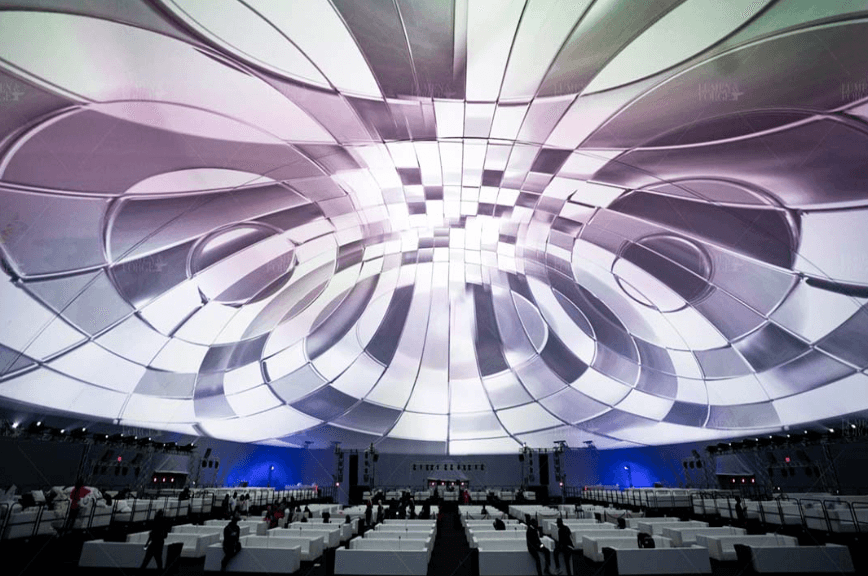
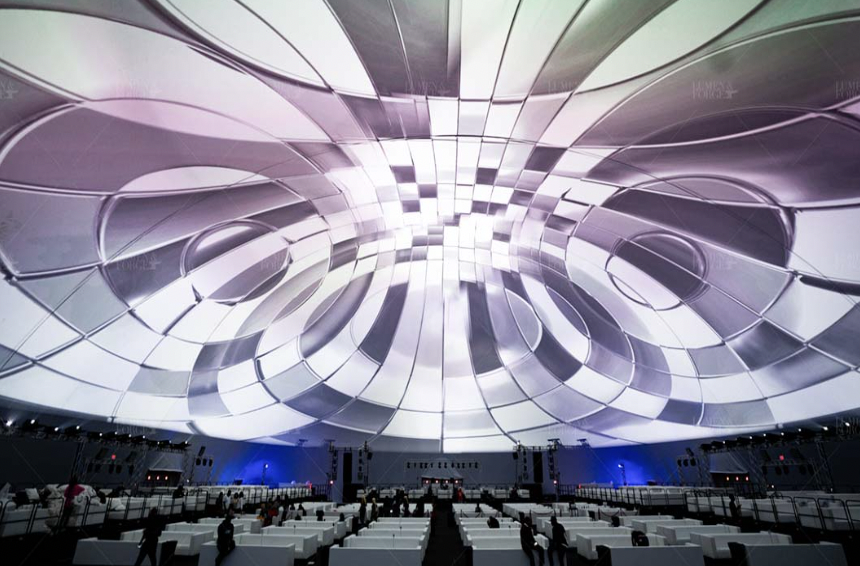
Below you can see a large VIP party in Miami inside of an air dome with the projection being done by our partners at Lumen and Forge.
The event, lasting three days, attracted over 60,000 attendees. Our partners at Lumen and Forge were responsible for the entire design and planning of the dome, covering aspects like its interior arrangement. Moreover, the team developed more than an hour of original 4K Domemaster content and also managed the visual effects throughout the event.
The dome, measuring 225 by 175 feet, had a unique pill shape, presenting specific challenges. The team had to specially render the content to fit the projection liner’s distinct form. Ensuring precise camera calibration was essential. For this, they utilized two high-capacity Lumen & Forge servers: one for mixing content and the other for managing the playback system. This setup transmitted content to twenty-four 18K lumen HD laser projectors, allowing for smooth visual display over 40,000 square feet of screen space.
Financing Your Air Dome with HeroX: Flexible Options for Businesses and Individuals
Investing in an air dome is a significant step towards enhancing your sports facility, business, or community space. At HeroX Air Domes, we understand that financing such a project can be a challenge. That’s why we have partnered with three trusted financing providers to help businesses and individuals secure the funding they need.
For businesses looking to finance their air dome, we offer two reliable financing solutions:
1. Global Business Financing with Grenke Leasing
Grenke Leasing provides tailored leasing and financing solutions for businesses across the USA, ensuring you can acquire your air dome with flexible payment terms.
Grenke Leasing IL LLC – Chicago
Coverage Area: Central, North & South East USAAddress:1100 Lake Street, Oak Park, Illinois 60301 Contact Details:
For individuals seeking financing up to $100,000 for their air dome project in the U.S., we have partnered with Feeasy®.
Contact:S.A. MoskowitzChairmanFeeasy®
Address:
29 Valley Drive, Suite 4483, Greenwich, CT 06830
Phone: 646-770-1456
Email: samoskowitz@itsfeeasy.com
Why Finance Your Air Dome?
If you’re considering financing your air dome project, reach out to our trusted partners today or contact us at HeroX Air Domes for further assistance!
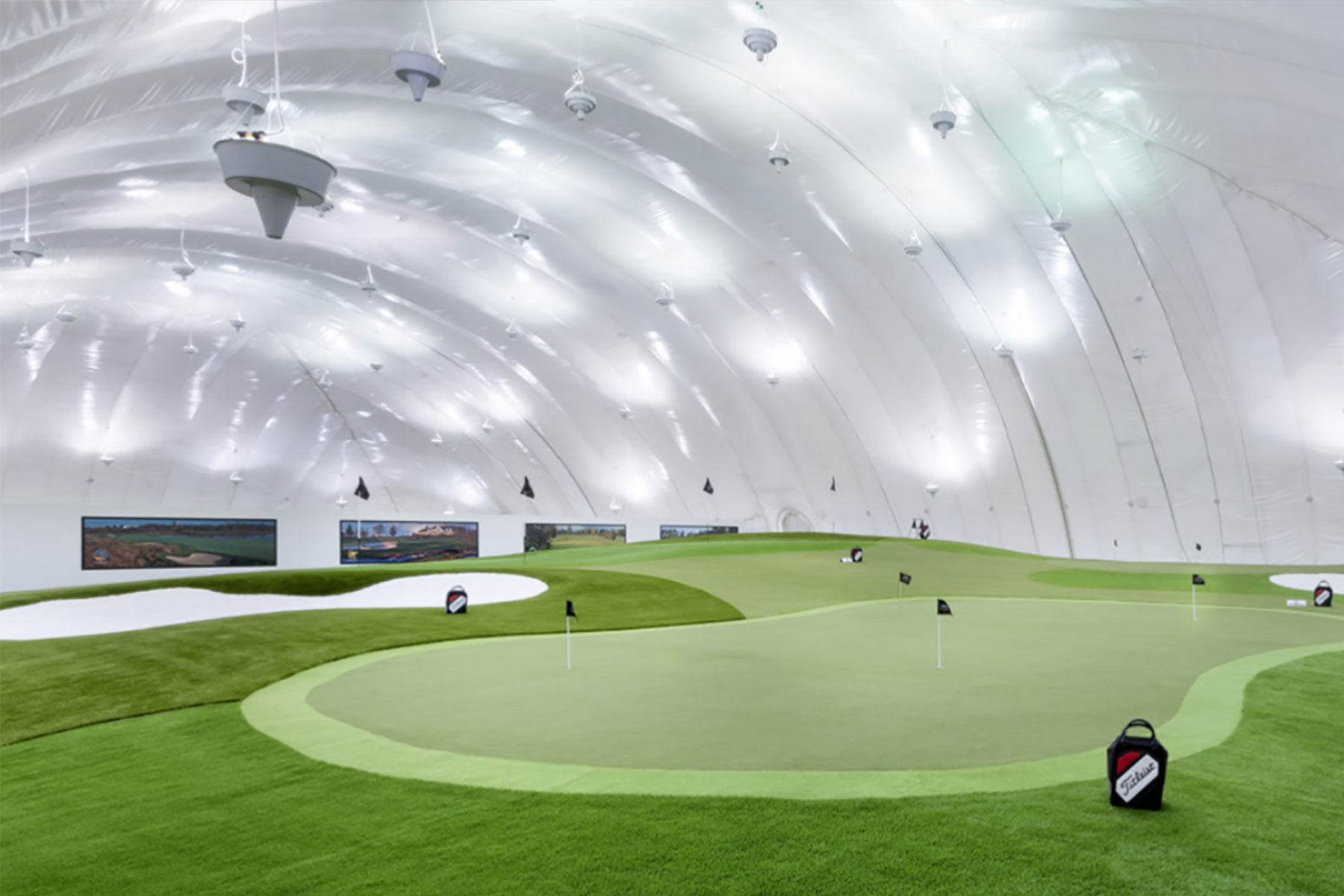
Golf domes, a modern innovation in sports facilities, are transforming the way golf is practiced and enjoyed, particularly in regions where weather can be a limiting factor. These large, enclosed structures provide golfers with a year-round facility to hone their skills, irrespective of external weather conditions. Blending technological advancements with the timeless appeal of golf, these domes represent a significant development in making the sport more accessible and enjoyable.
The primary value of golf domes lies in their ability to offer an all-weather golfing experience. Traditional golf courses are at the mercy of the elements, with rain, snow, or extreme temperatures often making play uncomfortable or impossible. Golf domes overcome these challenges by providing a controlled environment where temperature, wind, and humidity are regulated, ensuring a comfortable and consistent golfing experience throughout the year. This is particularly beneficial in colder climates, where outdoor golfing is limited to just a few months.
From an architectural standpoint, golf domes are marvels of design and engineering. These large, often air-supported or frame-supported structures, provide ample space for driving ranges, putting greens, and even short game areas. The dome’s interior can be outfitted with state-of-the-art golf technology, like simulators and electronic tracking systems, which offer golfers detailed feedback on their performance, enhancing the practice experience.
Golf domes also serve as important community hubs. They provide a space not only for individual practice but also for group lessons, clinics, and youth programs. This accessibility plays a significant role in growing the sport, offering opportunities for people of all ages and skill levels to learn and enjoy golf. By fostering a community around the sport, these domes can help cultivate the next generation of golf enthusiasts and players.
Moreover, the economic value of golf domes cannot be understated. By allowing for year-round golfing, these domes can sustain a steady stream of users, generating consistent revenue for operators. This is especially important in regions where traditional golf courses may struggle during off-peak seasons. Additionally, these facilities can host events, tournaments, and leagues, further enhancing their economic viability and community impact.
In terms of environmental considerations, golf domes offer a more sustainable alternative to traditional golf courses. They require less land and can be designed to minimize water usage and pesticide application, which are common environmental concerns associated with golf courses.
In conclusion, golf domes represent a significant advancement in sports facility design, combining functionality with the love of golf. They not only make the sport more accessible and enjoyable but also contribute to community engagement, economic development, and environmental sustainability. As we continue to seek innovative solutions in sports and recreation, golf domes stand out as a testament to the evolving nature of golf and its enduring appeal.