Category: Advice

  • Top 3 Ways Colleges Benefit From an Air Dome on Campus

    Top 3 Ways Colleges Benefit From an Air Dome on Campus

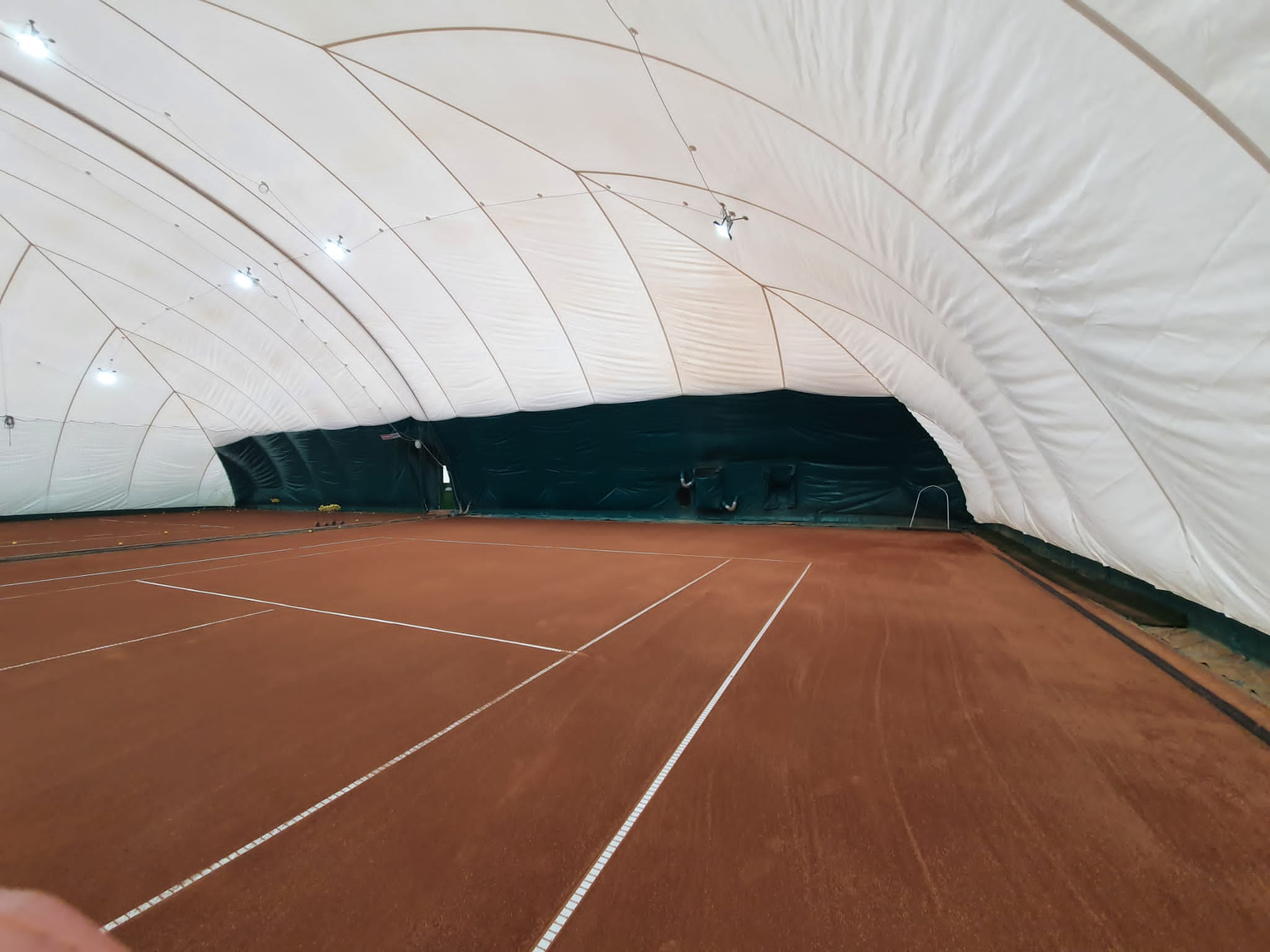
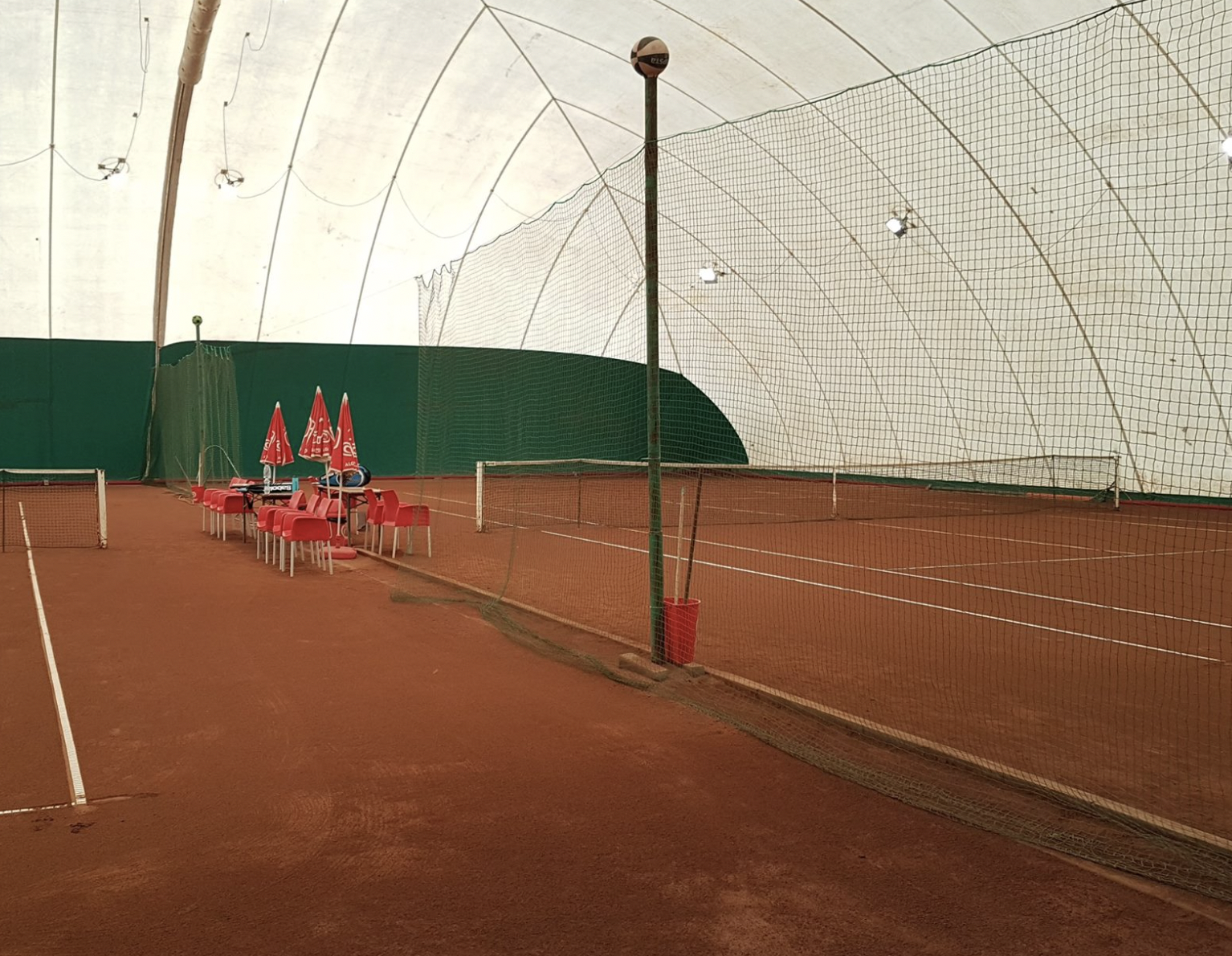
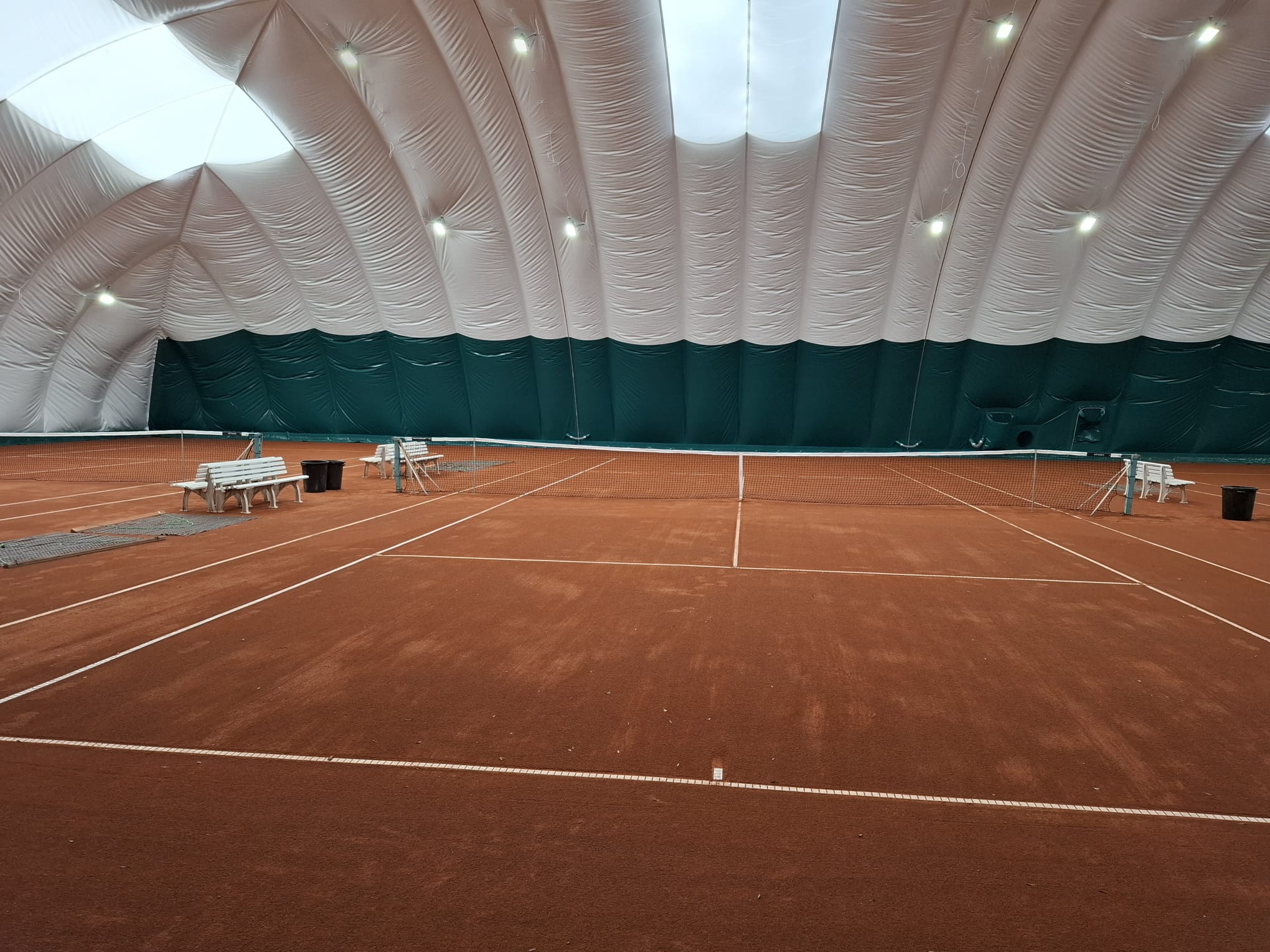
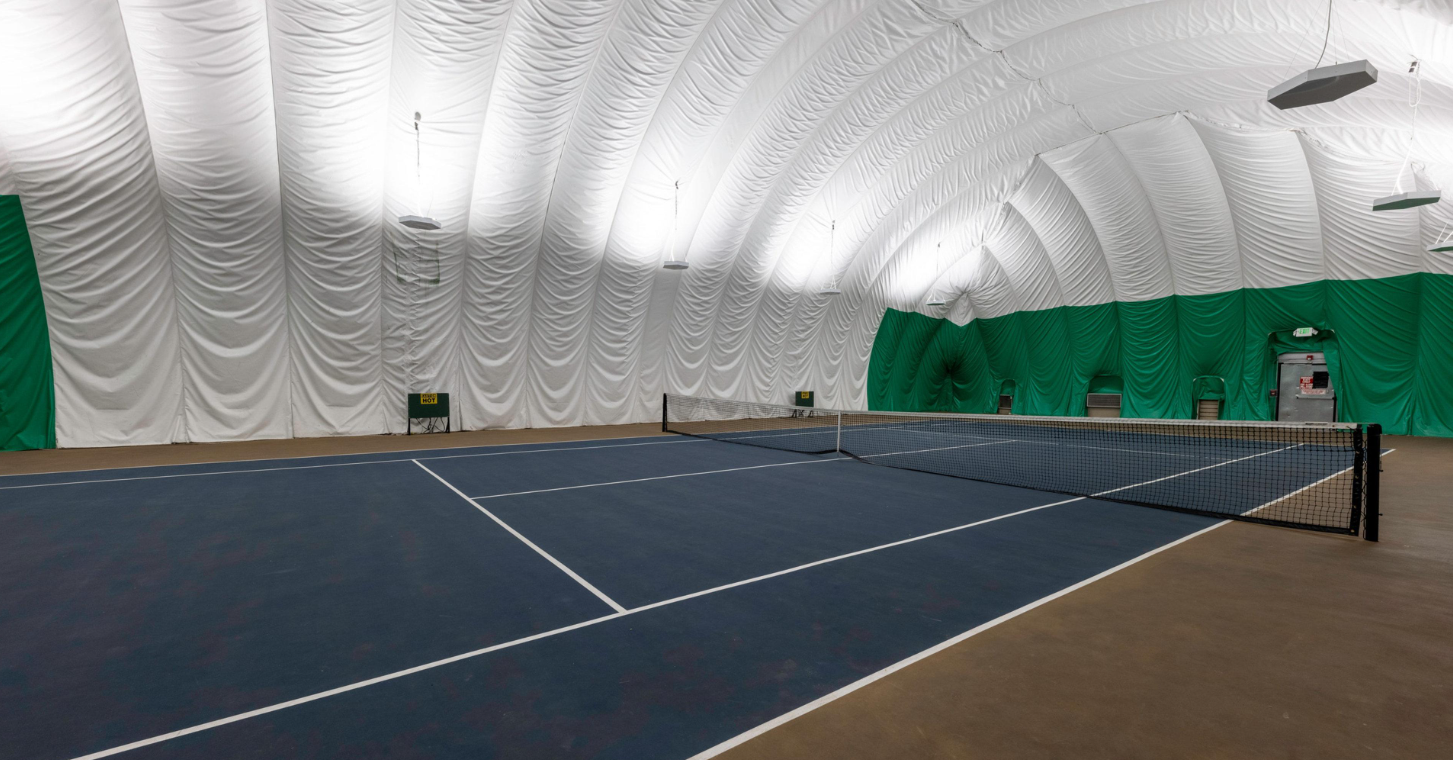
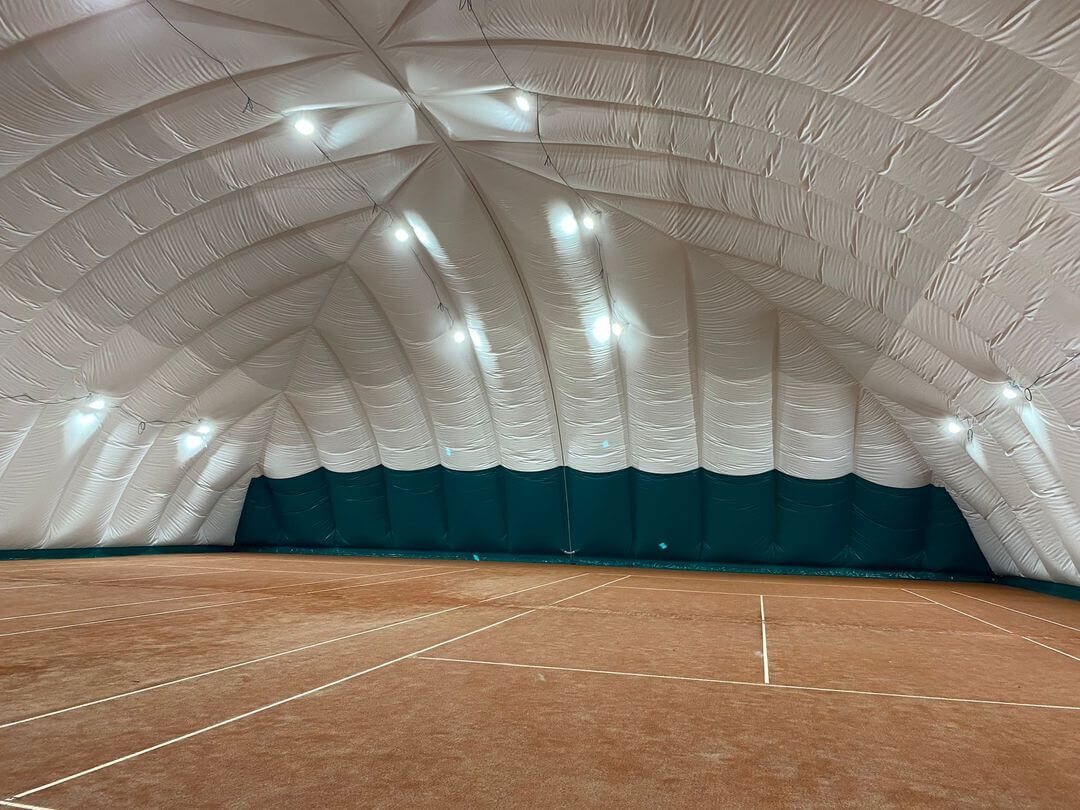
    Air-supported structures, or sports domes, are becoming increasingly popular in college athletics for their versatility and cost-effectiveness. Herox’s tennis air domes offer a variety of sports, including tennis, at a fraction of traditional building costs. These domes are durable, lasting 20 to 25 years, and feature airlocks, insulation, emergency systems, and fire-retardant fabric, all tailored to local codes and climates.

    Colleges like Princeton, Seneca, and Thiel have already reaped the benefits of these domes, which offer:

    1. Home-Field Advantage: Domes provide a year-round, optimal training environment, eliminating weather-related disruptions and giving teams a competitive edge.
    2. Recruitment Magnet: With wellness increasingly important to students, domes symbolize a commitment to sports and recreation, making them a key attraction for prospective students.
    3. Revenue Generator: Beyond educational value, domes offer financial benefits. They can be rented out for community events, sports leagues, and various functions, boosting institutional and local economy.

    In short, Herox air domes are not just sports facilities; they’re multi-purpose investments enhancing campus life, student appeal, and financial sustainability.

  • What New Owners Should Know About Air Domes

    What New Owners Should Know About Air Domes

    Embarking on the ownership of an air dome comes with its own set of financial considerations. Understanding the full spectrum of costs – from initial investment to long-term operational expenses – is crucial for effective management. Here’s a guide to help new air dome owners navigate these financial aspects.

    Upfront Costs and Hidden Expenses

    The initial cost of purchasing and installing an air dome is the most obvious expense. This includes the cost of the fabric, frames, anchoring system, doors, and any additional features like lighting or HVAC systems. However, there are often hidden costs that can be overlooked:

    • Site Preparation: Costs for preparing the land, including leveling, drainage, and possibly laying a foundation.
    • Permitting and Legal Fees: Costs associated with obtaining the necessary permits and legal consultations.
    • Transport and Installation: The logistics of transporting materials to the site and the labor costs for installation.
    • Initial Testing and Inspection: Costs for initial testing of the structure for safety and compliance.

    Operational Costs

    Understanding and budgeting for the operational costs of an air dome is key to its sustainable management.

    • Energy Consumption: Air domes require continuous air pressure, which means constant use of blowers or fans. Heating or cooling systems also add to energy costs.
    • Maintenance and Repairs: Regular maintenance, including inspections, cleaning, and repairs, ensures longevity but adds to operational expenses.
    • Staffing and Management: If the dome requires staff for operation, management, or security, these labor costs need consideration.
    • Insurance: Comprehensive insurance for damage and liability should be factored into ongoing costs.

    Longevity and Long-Term Costs

    The lifespan of an air dome is influenced by its quality and maintenance. A well-maintained dome can last several decades, but it’s important to plan for long-term costs:

    • Fabric Replacement: The outer fabric, exposed to weather and environmental factors, may need replacement over time.
    • Technology Upgrades: Upgrading to more efficient HVAC systems or lighting as technology advances.
    • Resale Value: Consider the dome’s potential resale value and how maintenance impacts it.

    Tips for New Owners

    • Conduct Thorough Research: Before purchase, research different manufacturers and models to find the best value for your specific needs.
    • Create a Comprehensive Budget: Factor in all potential costs, both immediate and long-term, to avoid surprises.
    • Seek Expert Advice: Consulting with experienced air dome owners or professionals can provide insights into cost-saving practices and effective maintenance strategies.

    By understanding these financial aspects, new air dome owners can make informed decisions, ensuring their investment is both viable and rewarding in the long term.

  • What are Air Domes?

    What are Air Domes?

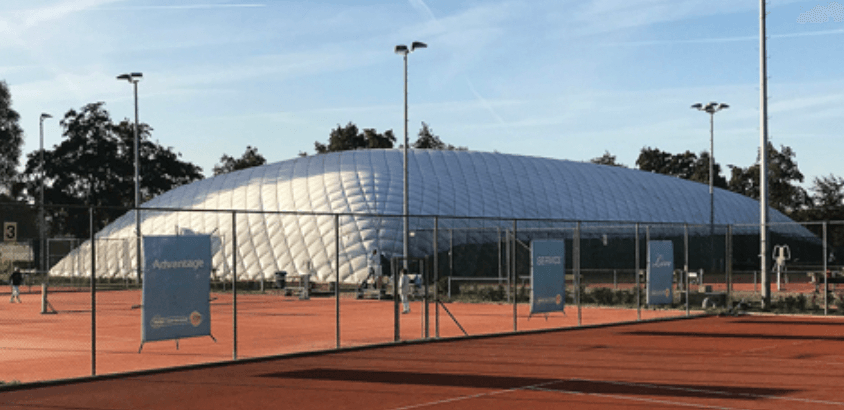
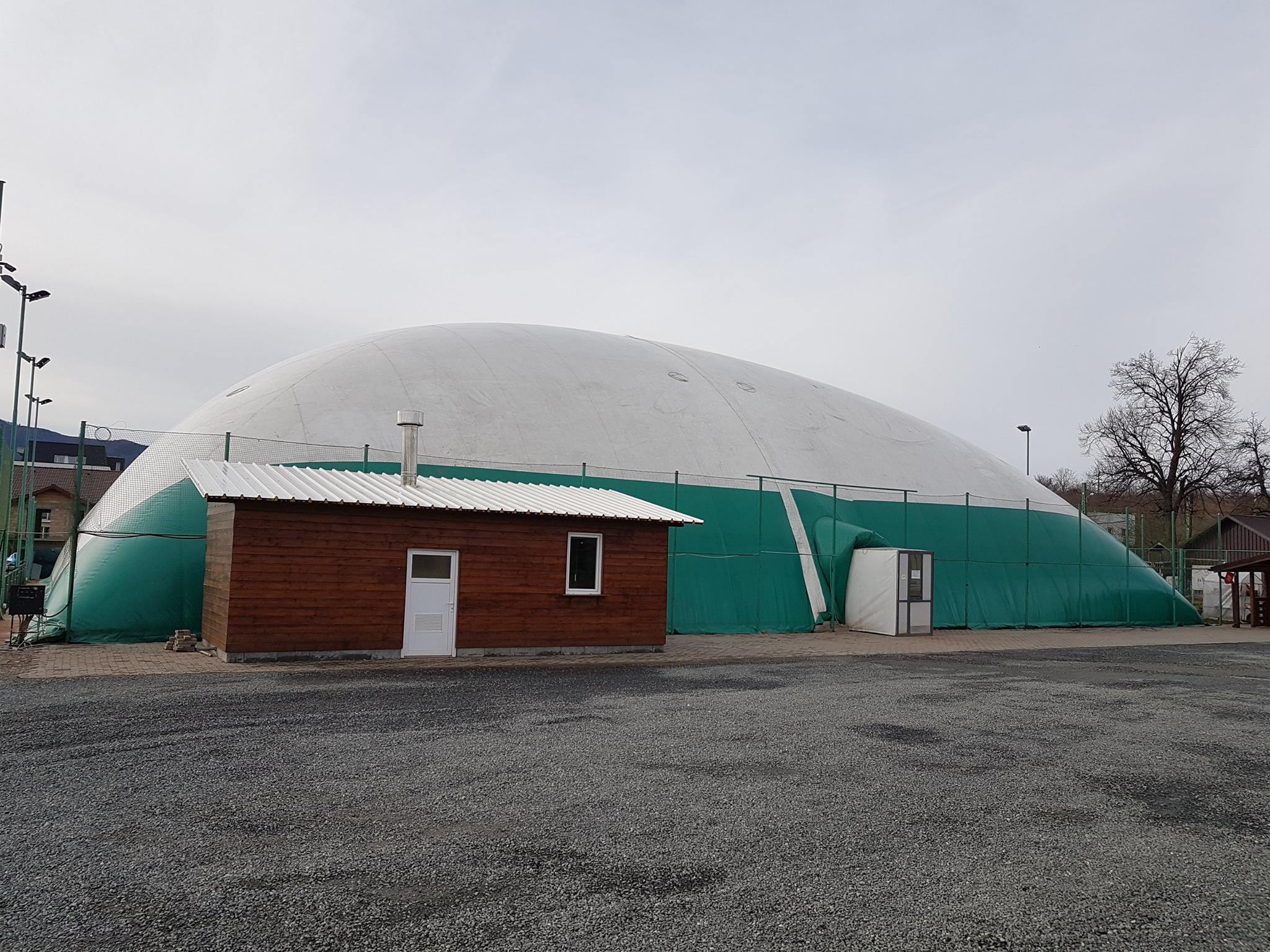
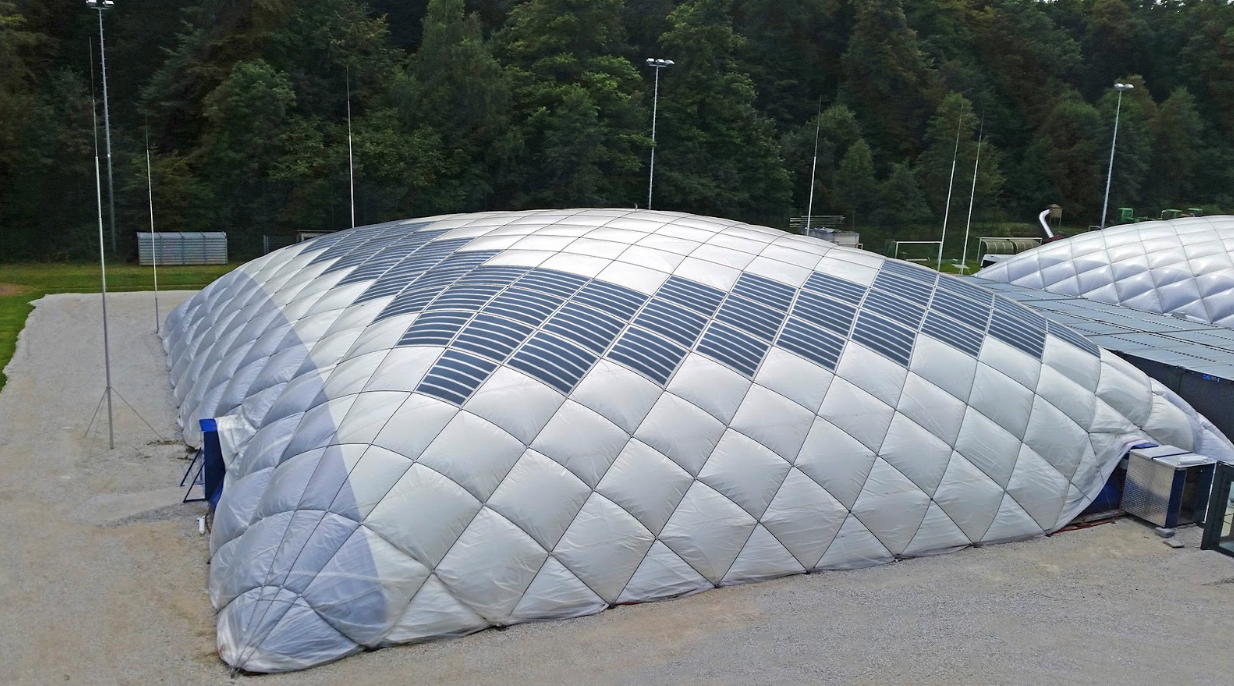
    A HeroX air dome—also known as an inflatable dome or “bubble”—is an advanced, air-supported structure made from durable, multi-layered PVC fabric that’s heat-welded for maximum strength.
    High-efficiency air blowers maintain constant internal pressure, keeping the dome fully inflated and structurally sound in all seasons. Integrated climate control systems ensure a comfortable environment year-round, while air-lock doors manage foot traffic without compromising internal pressure.
    HeroX domes are engineered for performance, comfort, and speed of deployment—bringing your indoor facility to life, fast.

  • Grants for Recreational Facilities Development

    Grants for Recreational Facilities Development

    Finding Grants for Your Project

    Planning to build or renovate a sports field, track, court, or outdoor gym can be challenging, especially when it comes to funding. We’ve compiled a list of relevant grants available nationwide to help you get started.

    Types of Grants Available

    Grants are available from federal and state governments, as well as private organizations like professional sports leagues and corporations. These grants typically target non-profits, public schools, underserved communities, and youth sports programs.

    Key Grant Programs

    Federal & Governmental Grants

    Private Grants

    Tips for Applying

    1. Understand Project Costs: Use our sports facility configurator to get an instant customized estimate.
    2. Strong Concept: Clearly articulate why the project is necessary and beneficial.
    3. Research: Explore additional organizations and foundations that may support your project. Seek advice from others who have completed similar projects.

    For more details on specific grant programs, visit our air dome configurator, complete the form and get in touch with our team.

  • How much does an air dome cost?

    How much does an air dome cost?

    How much does an air dome cost?

    When considering the construction of an air dome, it’s important to evaluate the costs involved. HeroX air domes offer a cost-effective alternative to traditional building structures, thanks to their minimal site preparation requirements. Unlike conventional buildings, HeroX air domes do not require a full concrete foundation or extensive framing, which significantly reduces initial construction costs. Additionally, they often benefit from more lenient permitting requirements in many countries due to their non-permanent nature.

    Generally prices range:

    United States between 10 to 50 dollars per square feet.

    Europe between 50 to 250 euros per square meter.

    The prices are significantly different between markets due to the different standards for fire safety and energy certifications required.

    Membrane Maintenance

    One of the key advantages of HeroX air domes is the low maintenance requirement for the membrane. No special maintenance is needed, making it a convenient and cost-effective option for owners.

    Machinery and HVAC Maintenance

    While daily maintenance is not required for the machinery and HVAC units in HeroX air domes, periodic inspections and regular servicing (such as oil changes and belt replacements) are recommended to ensure optimal operation.

    Air Dome Lifespan

    HeroX air domes are built to last, with an expected lifespan of 30+ years in standard weather conditions. This durability makes them a long-term investment for various applications.

    Warranty Period

    HeroX offers a warranty of 5-20 years on the fabric and up to 2 years on other equipment, providing owners with peace of mind regarding the quality and longevity of their investment.

    Custom Design and Pricing

    Every HeroX air dome is custom-designed to meet specific requirements. The price of an air dome depends on these unique specifications. To get a clearer understanding of the costs and pricing for your specific project, contact us directly.

    In summary, HeroX air domes present a cost-efficient, durable, and low-maintenance alternative to traditional building structures, with the added benefit of custom design to fit specific needs.

  • How to Choose the Right Air Dome

    How to Choose the Right Air Dome

    How to Choose the Right Air Dome: A Complete Guide

    Air domes are a game-changing solution for sports, events, storage, and industrial applications. But with so many options available, how do you choose the right air dome for your needs?

    This guide will walk you through the most important factors to consider when selecting an air dome, ensuring you make an informed decision that fits your budget, space, and long-term goals.

    ✅ 1. Define Your Purpose

    Before diving into technical details, start by identifying how you will use the air dome. Different applications require different features.

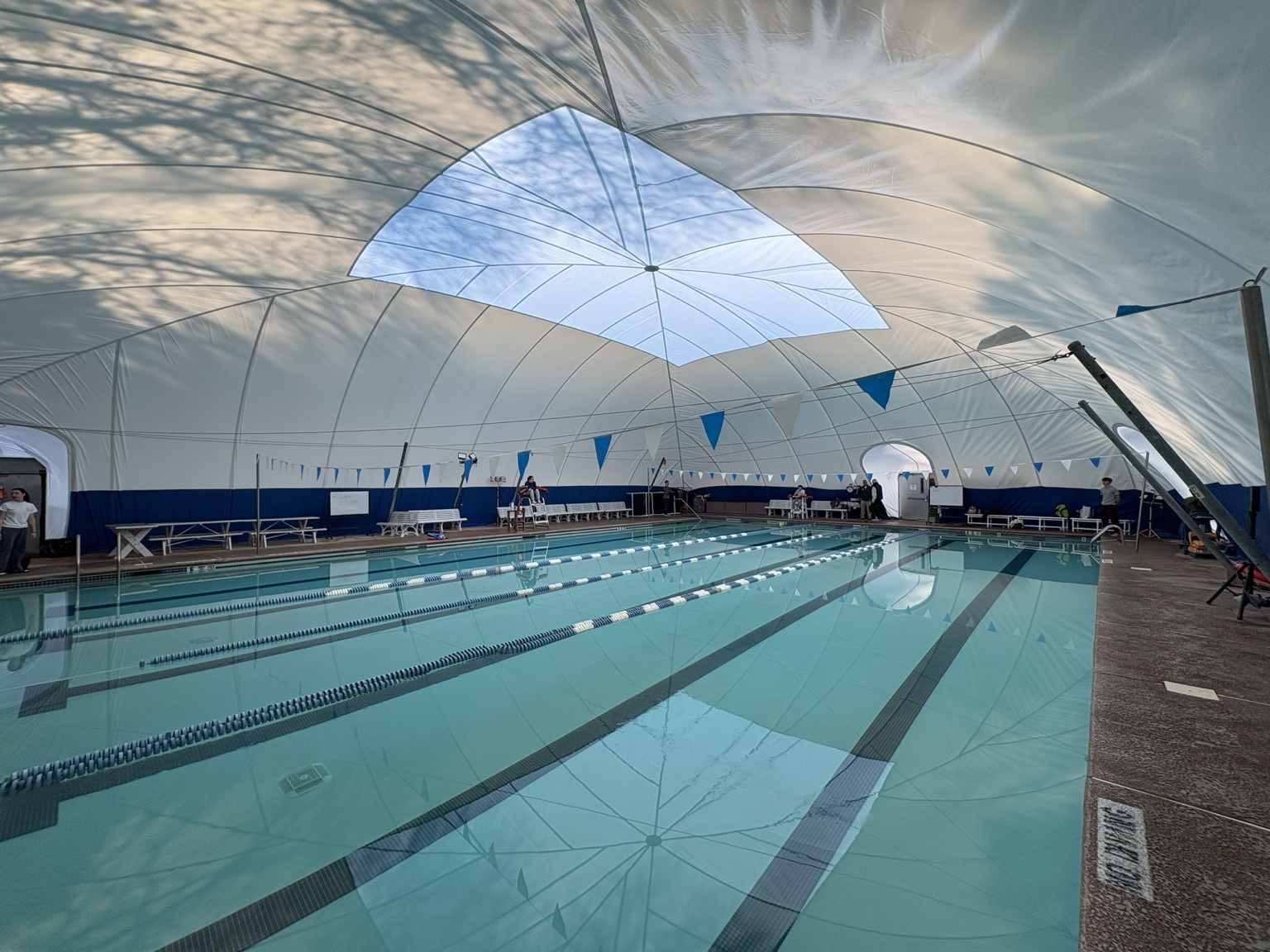
    • Sports & Recreation – Tennis, soccer, swimming pools, basketball, golf, and multi-sport facilities
    • Events & Exhibitions – Concerts, conferences, trade shows, and special events
    • Storage & Warehousing – Industrial storage, logistics centers, aircraft hangars
    • Agriculture – Livestock shelters, greenhouses, weather protection for crops
    • Emergency & Military Use – Disaster relief, field hospitals, rapid deployment shelters

    Each use case requires specific size, insulation, and ventilation considerations, so having a clear purpose helps narrow down your options.

    ✅ 2. Consider Size and Space Requirements

    The size of your air dome depends on the following:

    • Available Land – Measure the total area to ensure the dome fits comfortably
    • Ceiling Height Needs – Some sports (like soccer or golf) require higher ceilings than others (like tennis)
    • Capacity – How many people, players, or equipment will be inside at once?
    • Future Expansion – Will you need to expand or modify the structure later?

    Larger domes provide more flexibility but come with higher operational costs, so balancing space and budget is key.

    ✅ 3. Choose the Right Fabric and Insulation

    Air domes are made from durable, high-performance materials, but not all fabrics are the same. Consider:

    • Standard PVC-Coated Fabric – Strong, weather-resistant, and long-lasting
    • Insulated Fabrics – Helps regulate temperature and reduce energy costs
    • Transparent or Translucent Options – Allows natural light inside, reducing the need for artificial lighting
    • Fire-Retardant Materials – Ensures compliance with safety regulations

    If you’re in an extreme climate, selecting the right insulation is critical for keeping heating and cooling costs manageable.

    ✅ 4. Assess Weather Resistance and Durability

    Different locations experience different environmental challenges, so your air dome must be designed to withstand local conditions. Look for:

    • Wind Load Capacity – Ensure the structure can handle strong winds
    • Snow Load Tolerance – If you’re in a snowy area, reinforced structures may be necessary
    • UV & Weather Protection – High-quality coatings help resist sun, rain, and temperature fluctuations
    • Backup Systems – Power outages can impact pressurization, so emergency systems are crucial

    Choosing a dome that meets local building codes ensures long-term durability and safety.

    ✅ 5. Understand Heating, Cooling, and Ventilation

    Climate control is one of the biggest factors affecting operating costs. Consider:

    • Ventilation Systems – Essential for air circulation and preventing condensation
    • Heating Options – Gas, electric, or solar-powered heating for cold climates
    • Cooling Solutions – Air conditioning or evaporative cooling for hot regions
    • Energy Efficiency – Insulated domes reduce energy consumption and lower costs

    A well-designed HVAC system ensures a comfortable indoor environment all year round.

    ✅ 6. Look at Entrance and Access Options

    Air domes require specialized entrances to maintain air pressure. Choose the right access points based on usage:

    • Revolving Doors – The most energy-efficient for maintaining internal pressure
    • Airlocks & Vestibules – Prevents sudden pressure loss while allowing easy access
    • Garage Doors – Needed for vehicle or equipment entry
    • Emergency Exits – Must meet safety regulations for quick evacuation

    The right entrance system ensures smooth traffic flow while keeping the dome stable.

    ✅ 7. Consider Energy Efficiency and Sustainability

    A well-designed air dome can cut operational costs with energy-efficient features. Look for:

    • LED Lighting – Reduces power consumption and provides even illumination
    • Solar Power Compatibility – Offsets electricity costs with renewable energy
    • Smart Climate Control – Automated temperature adjustments for efficiency
    • High-Performance Insulation – Minimizes heating and cooling expenses

    Sustainable features help reduce long-term costs while keeping the dome environmentally friendly.

    ✅ 8. Evaluate Installation Time and Logistics

    Air domes are known for quick installation, but planning is still essential. Consider:

    • Site Preparation – Some domes need minimal foundations, while others require concrete pads
    • Permits & Regulations – Local zoning laws and building permits may be required
    • Installation Time – Typically ranges from a few weeks to a couple of months
    • Relocation Needs – Some domes can be dismantled and moved easily

    Proper planning ensures a smooth installation process without unexpected delays.

    ✅ 9. Maintenance and Long-Term Costs

    Air domes are low-maintenance compared to traditional buildings, but regular upkeep is still required. Check:

    • Durability of Fabric & Materials – High-quality domes last 20+ years with proper care
    • Blower & HVAC System Maintenance – Regular checks keep air pressure and temperature stable
    • Cleaning & Repairs – Patching small tears early prevents costly replacements
    • Annual Inspections – Ensures safety compliance and peak performance

    Investing in a quality dome upfront reduces future maintenance costs and extends lifespan.

    ✅ 10. Compare Pricing and Financing Options

    Budget is always a key factor, but choosing the cheapest option isn’t always the best. When comparing prices, look at:

    • Initial Purchase Cost – Factors include size, materials, and included systems
    • Installation Fees – Some providers offer turnkey solutions, while others require separate contractors
    • Operating Costs – Energy consumption, heating/cooling, and maintenance should be considered
    • Financing Options – Leasing, sponsorships, and grants can help fund your project

    A well-planned budget ensures maximum value without unexpected financial burdens.

    Make the Right Choice for Your Air Dome

    Choosing the right air dome depends on purpose, size, climate needs, budget, and future expansion plans. By considering these factors, you can invest in an air dome that provides long-term value, durability, and efficiency.

    If you’re ready to explore the best air dome for your needs, get in touch today and let’s find the perfect fit for your project!

  • How to Prepare Your Dome for Snow

    How to Prepare Your Dome for Snow

    Snow management remains a critical concern for dome operators throughout the winter season. It’s essential to have a snow management plan in place well ahead of the winter months. Here are some key steps to ensure your dome is prepared for the snowy season.

    Ensure Your Generator is Ready

    Blizzards can bring power outages, and without a functioning backup generator, a dome is at risk of deflation. Regularly test your generator to ensure it’s operational, fuelled, and can activate without delay when power loss occurs.

    Keep Your Furnace in Top Condition

    A well-maintained heating system is crucial. Activate your dome’s furnace prior to the onset of heavy snow. A consistent warm temperature inside the dome is a natural deterrent to snow accumulation, as it encourages snow to slide off the structure.

    Strategize Snow Removal

    As snow descends the dome’s sides, it accumulates at the base, particularly on the side facing the wind. It’s imperative to clear this buildup promptly to alleviate pressure on the dome’s structure. However, caution is vital—removal equipment, if not carefully handled, can damage the dome’s membrane.

    Proactive and thorough snow management is essential to safeguard your dome from the harsh impacts of winter weather. By following these steps, dome owners and operators can minimize the risk of snow-related emergencies and ensure their structures remain safe and functional throughout the season.

  • Installation Process

    Installation Process

    How to Install an Air Dome – A Step-by-Step Guide

    Installing an air dome is a streamlined process that transforms your space into a versatile, weather-protected facility. Whether you’re setting up a seasonal or permanent dome, following these steps ensures a smooth installation.

    Watch this video to understand the process better:

    Step 1: Confirm Site Location

    • Decide whether your dome will be seasonal or permanent
    • Check local zoning regulations and municipal requirements
    • Ensure there is sufficient space for anchoring and mechanical systems

    Step 2: Plan Your Budget & Timeline

    • Estimate total costs, including foundation, infrastructure works, ground prep, and installation
    • Consider upgrades & accessories like HVAC, premium lighting, and skylights
    • Understand the production timeline (typically 12–24 weeks from contract signing)

    Step 3: Engage an Air Dome Provider

    • Select an experienced and responsive air dome supplier
    • Obtain stamped structural drawings for permits and approvals
    • Decide on mechanical systems (heating, AC, emergency power)

    Step 4: Obtain Necessary Permits

    • Submit engineering plans for permit approval
    • Ensure compliance with local zoning laws and building codes
    • Engage a team of A players for professional services (civil engineer, arhitect, general contractor, etc)

    Step 5: Construction & Site Preparation

    • Level the ground and prepare the foundation (grade beam, slab, or anchoring system)
    • Prepare the interior surface (turf, acrylic, or other materials based on use)

    Step 6: Schedule Delivery & Installation

    • Arrange for transportation, labor, and supervision
    • Install inflation, heating/cooling, and emergency backup systems
    • Inflate the dome and secure it to the foundation

    Step 7: Prepare for Routine Maintenance

    • Develop a maintenance & inspection schedule
    • Stock essential spare parts and tools for quick fixes, like extra lights
    • Plan for seasonal removal & reinstallation if applicable

    Get Started Today!

    By following these steps, you ensure a smooth and efficient air dome installation. If you need assistance, HeroX is here to help—contact us today to discuss your project!

    (702) 919-7179 

    ✉️ office@heroxairdomes.com

  • Is It Time For A New Air Dome?

    Is It Time For A New Air Dome?

    An air dome is an essential asset for sports and event spaces, but like any significant investment, it requires timely updates to maintain its efficiency and functionality. Recognizing when to replace an old air dome can be crucial for operational efficiency, safety, and cost-effectiveness. Here are some key indicators:

    1. Material Wear and Tear: The most evident sign of an air dome nearing the end of its useful life is the wear and tear of the material. This includes discoloration, thinning of the fabric, or brittleness, which are clear indicators of material fatigue due to prolonged exposure to environmental elements. Regular inspection for any damage such as rips, holes, or weakened areas is essential to assess the structural integrity of the dome.
    2. Outdated Design: If your air dome has an outdated design characterized by a bulky harness system and extra membranes, it’s probably time to consider an upgrade. Older designs often require a large crew, sometimes up to 40 people, for installation and maintenance, which is not only labor-intensive but also time-consuming and costly. Moreover, these older models are often not energy-efficient, leading to higher operational costs. Newer air dome designs offer streamlined, lightweight structures that are easier and more cost-effective to install and maintain. They often incorporate advanced materials that provide better insulation and UV protection, enhancing energy efficiency significantly.
    3. Energy Inefficiency: Older air domes tend to be less energy-efficient, which can lead to increased costs in maintaining a comfortable and stable internal environment. This is particularly crucial in regions with extreme weather conditions. Modern air domes are designed with energy efficiency in mind, using materials and structural designs that minimize energy consumption for heating or cooling. Upgrading to a newer, more energy-efficient model can result in substantial long-term savings and a reduced environmental footprint.

    In summary, if your air dome is showing signs of material wear, has an outdated and inefficient design, or is costing more to maintain a comfortable environment, it may be time to consider replacing it. Upgrading to a modern air dome can enhance user experience, ensure safety, and offer significant operational savings.

  • Membrane Energy Efficieny

    Membrane Energy Efficieny

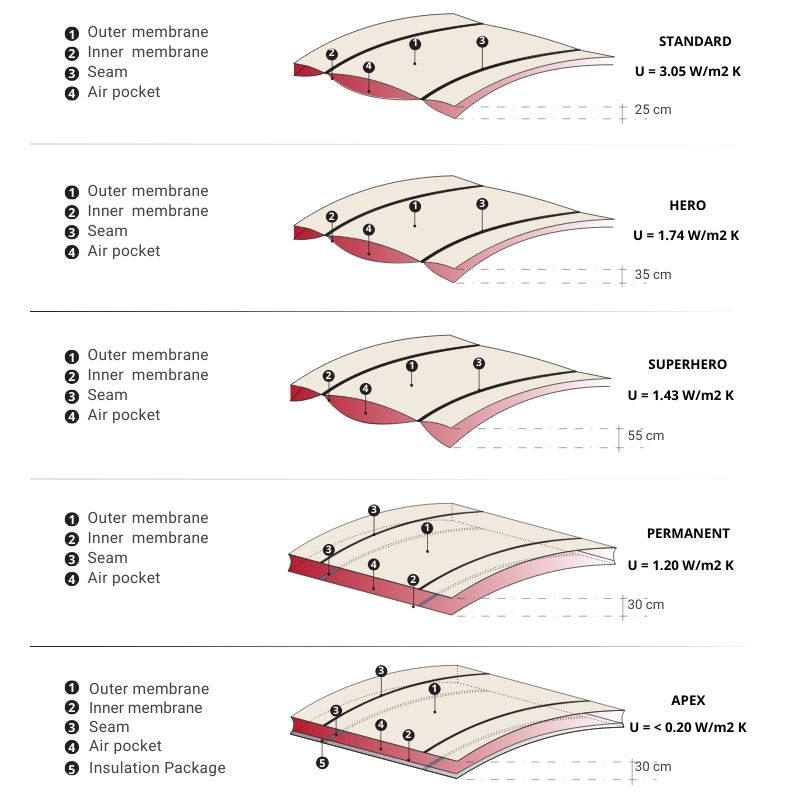
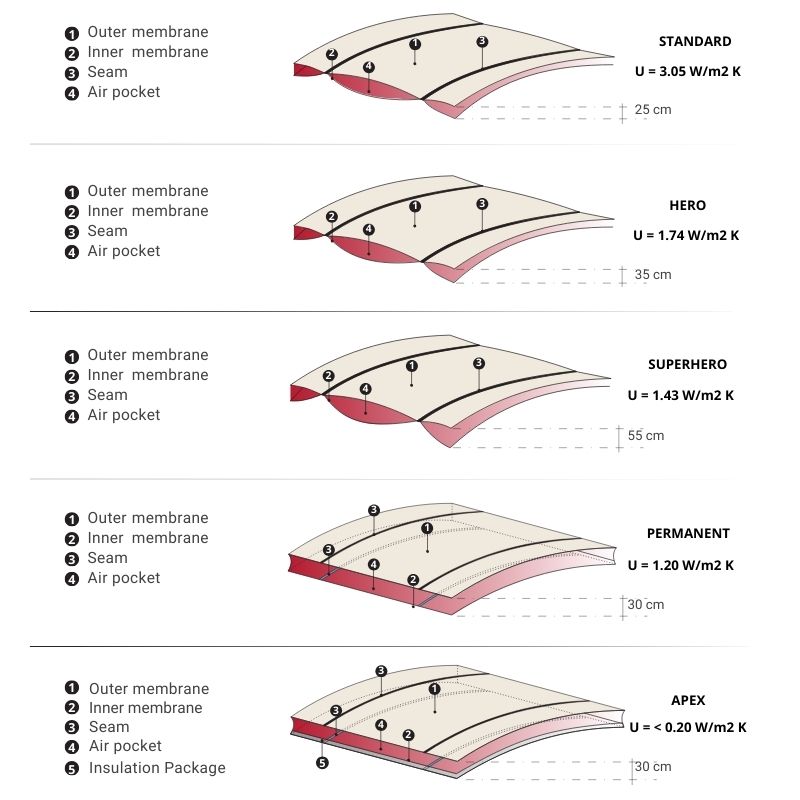
    Air domes come in various shapes and sizes, but one of the most important characteristic is their efficiency.

    HeroX offers five different levels of thermal construction (on the European market) U-3.05, U-1.74, U-1.43, U-1.2, U<0.2. Our thermal liners are made with a tabbing system to maintain consistent thermal value across the entire structure and minimize heating/cooling loss.  Without this tabbing system, the thermal value can be reduced to as little as half of what HEROX thermal liners achieve. In most cases, HEROX recommends triple wall construction to maximize energy efficiency. This is because triple wall construction provides the largest insulation value while still allowing the air structure fabric to remain translucent. By being translucent, the facility will require no lighting during daytime operation hours, significantly cutting lighting costs. In extremely hot or cold environment, HEROX has found that placing bubble foil insulation in-between the liners to achieve U-Value 0.1 thermal value (polyethylene bubble film in-between aluminium polyester sheets) provides the greatest savings as the heating/cooling costs of these structure account for the largest part of operational costs!