Category: Advice

  • Sports Dome: Cost of Construction, Operation, and Equipment

    Sports Dome: Cost of Construction, Operation, and Equipment

    Build Your Dream Sports Dome — Faster, Smarter, More Affordable

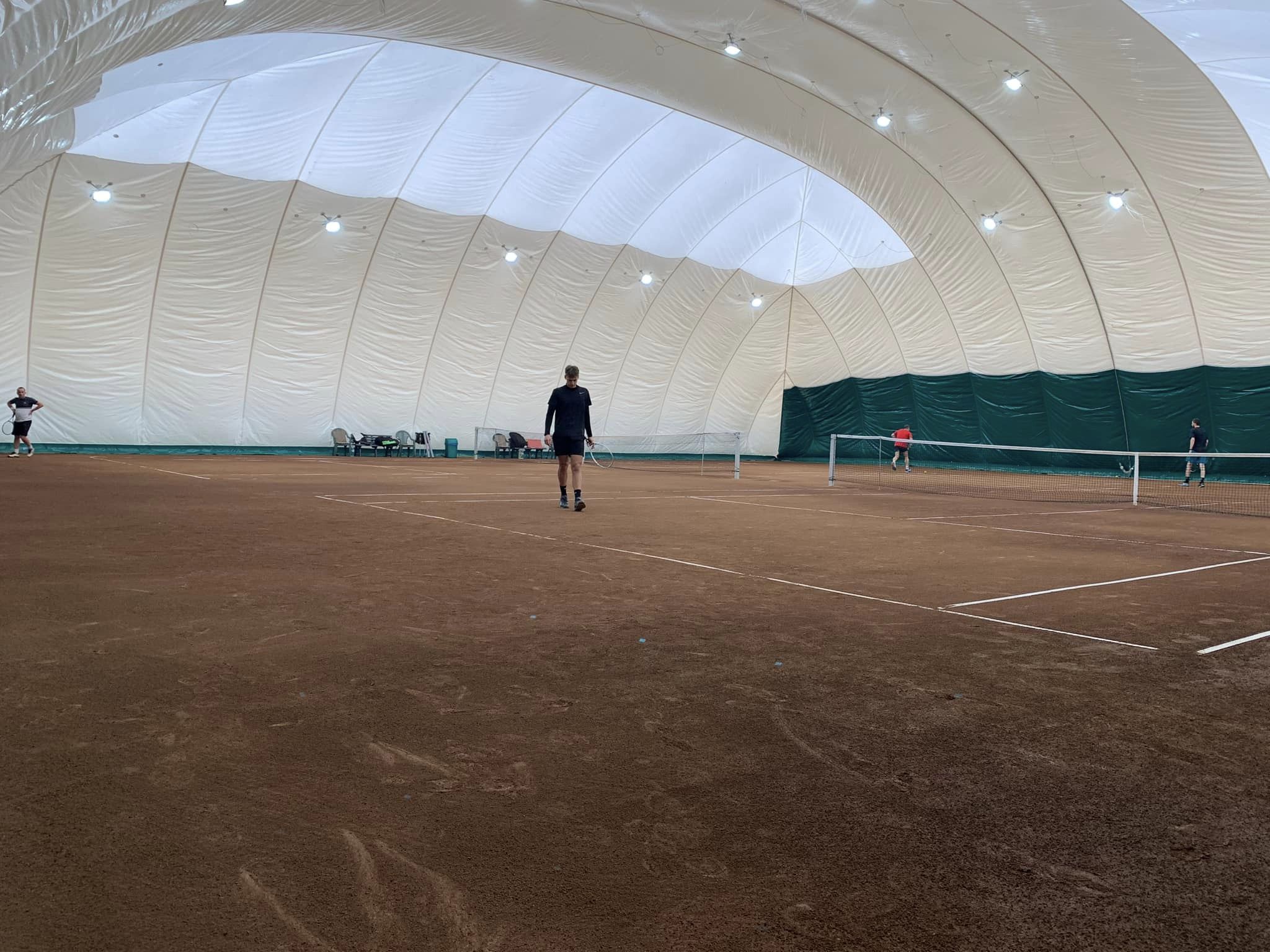
    Imagine playing year-round, rain or shine, under your very own cutting-edge sports dome. Whether you’re a school, club, or community leader, inflatable air domes open up a world of possibilities — all at a fraction of the cost of traditional buildings.

    Smart Investment, Huge Savings

    The cost of building a sports dome ranges from $10 to $25 per square foot for the dome structure — and that includes premium materials like flame-retardant membranes and high light-transmission covers. Compared to permanent buildings, air domes are often 50–75% more affordable, with significantly faster installation times.

    What’s Included?

    Your dome can be customized with everything you need for a modern, comfortable facility:

    • Energy-efficient LED lighting

    • Climate control through HVAC systems

    • High-performance air blowers

    Revolving & emergency doors

    • Anchoring systems for all weather conditions

    • Optional storage, locker rooms, or clubhouse areas

    ⚙️ Operational Costs

    Running a dome is surprisingly efficient — annual upkeep usually comes in at just $3–$6 per square foot, covering electricity for blowers and heating. Planning ahead ensures smooth operations and energy savings year-round.

    Perfect for Tennis, Soccer, Padel & More

    A mid-six-figure investment can get you a top-tier tennis dome — giving you the ability to run programs, events, and rentals 365 days a year. More bookings, more members, more revenue.

    Why Air Domes?

    Quick setup & removal

    All-season use

    Custom designs for any sport

    Excellent insulation and durability

    Scalable & relocatable

    Proven ROI through extended seasons and facility rentals

    Funding Your Dome

    There are more ways to fund a dome than you think:

    ✅ Government grants

    ✅ Community fundraising

    ✅ Sponsorships

    ✅ Depreciation & tax incentives

    Our team can guide you through the process — from planning to permits to successful delivery.

    ️ Ready to Get Started?

    Use our Sports Dome Configurator to receive an instant, customized estimate tailored to your project. It only takes a few minutes and gives you the insights you need to move forward with confidence.

    Let’s build something amazing together. Your dome. Your rules. Your future.
  • Swimming Pool Air Dome Cost for a Natatorium or Gymnasium

    Swimming Pool Air Dome Cost for a Natatorium or Gymnasium

    Installation Cost

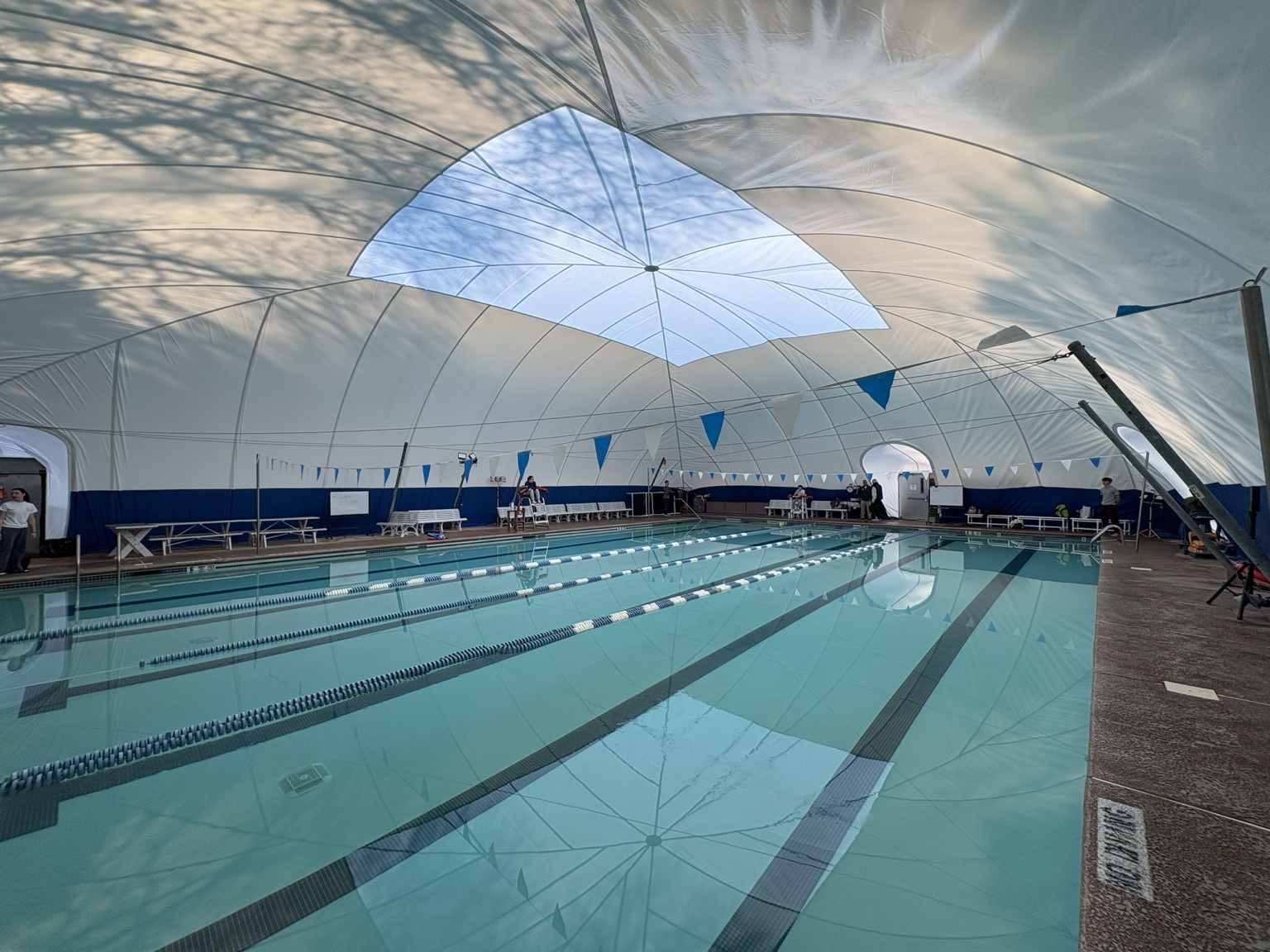
    The cost of installing a swimming pool air dome varies based on its size and complexity. Prices range from $164,000 to $632,000, with basic structures costing around $15 per square foot and more complex domes up to $50 per square foot. Use our swimming pool air dome configurator for an instant customized estimate.

    Operation and Maintenance

    Budget for ongoing maintenance costs between $3 and $6 per square foot annually. This typically totals $60,000 to $80,000 for the winter season. Regular upkeep ensures optimal performance and extends the life of your pool deck, potentially increasing revenue.

    Cost Influencers

    1. Facility Size: Larger facilities require more materials and higher installation costs, including surrounding areas like the pool deck and spectator spaces.
    2. Pool Size and Competition Level: Larger, competition-grade pools are more expensive to cover.
    3. Number of Pools: Multiple pools increase material and labor costs.
    4. Climate: Extreme weather may necessitate a more durable dome.

    Design and Customization

    Consider space for facilities like locker rooms and bleachers. Customize the dome with colors, logos, or projectors for an enhanced experience.

    Benefits of Air Domes vs. Other Enclosures

    • Cost: Air domes are generally cheaper to install and maintain.
    • Flexibility: Easily removable and retrofitted to existing structures.
    • Sustainability: Long lifespan (up to 30 years) and energy-efficient.
    • Minimal Maintenance: Requires less upkeep compared to permanent structures.

    Financing Options

    1. Loans, Grants, and Government Funding: Look for local, state, and federal funds available for community improvement projects.
    2. Crowdfunding and Fundraising: Use platforms like Kickstarter or Indiegogo to raise money from the community.
    3. Pool Sponsorship: Seek corporate sponsorships to fund your project.

    Get a Cost Estimate Early

    Use our swimming pool air dome configurator for an instant customized estimate.

  • Tennis and Pickleball Domes: From Design Concept to Reality

    Tennis and Pickleball Domes: From Design Concept to Reality

    Why Choose Air Domes?

    Tennis and pickleball are popular sports, but outdoor play depends on the weather. Air domes provide a solution for year-round play, shielding players from sun, wind, rain, and snow. They are faster and cheaper to install and maintain than traditional structures, making them a practical choice.

    Cost Overview

    • Installation: Tennis & pickleball domes cost between $100,000 and $2,900,000, including materials, installation, and shipping. Traditional buildings can cost double or triple this amount.
    • Flexibility: Domes are removable and storable, allowing for seasonal use and creating opportunities for additional revenue by renting out the space.

    Key Considerations

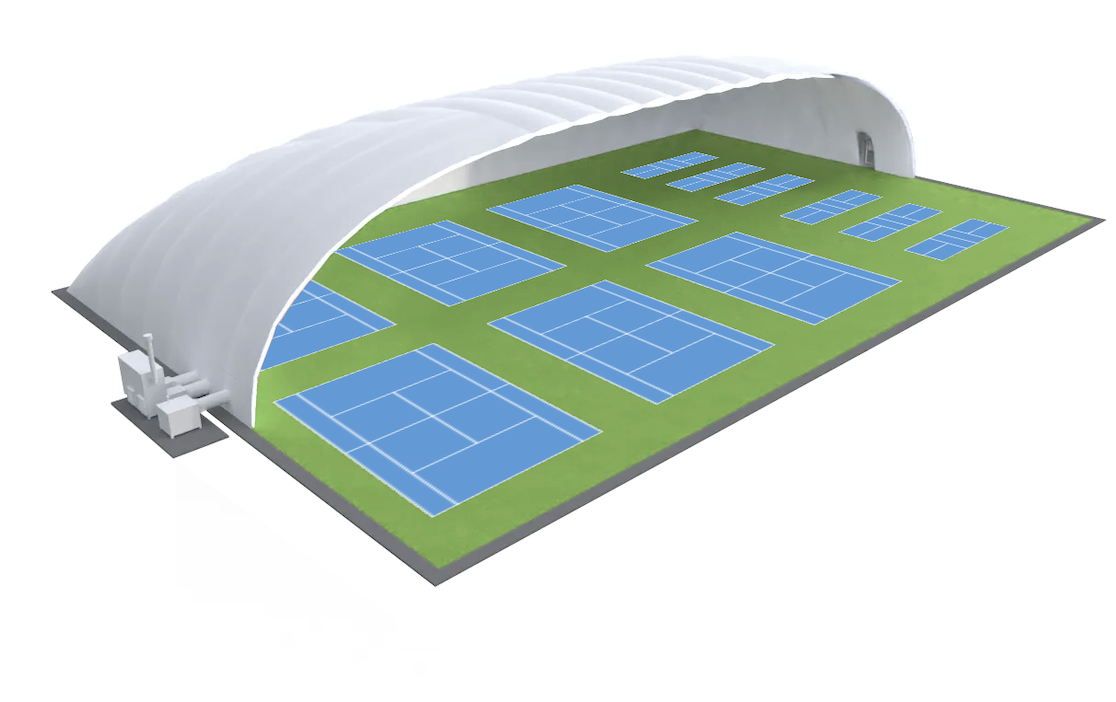
    1. Court Size: Standard tennis courts (78 ft x 27 ft) require a surrounding area of 60 ft x 120 ft for safety, totaling 7,200 sq ft. Pickleball courts (20 ft x 44 ft) can fit two per tennis court.
    2. Court Count: Decide the number of courts based on your facility’s needs and safety regulations.
    3. Amenities: Ensure the dome covers bleachers, changing rooms, and toilets.

    Primary Users

    Identify your target users (e.g., high school students, college athletes, professional players) to determine the dome’s size, court count, and features.

    Climate

    Air domes are suitable for any climate but are particularly beneficial in cooler areas with shorter outdoor playing seasons.

    Beyond Sports

    Air domes can be used for events, storage, and commercial purposes. Consider lighting, sound systems, and other features to maximize usage.

    Seasonal vs. Permanent Use

    • Seasonal Use: Store the dome safely when not in use.
    • Permanent Use: Plan for additional facilities like offices, equipment storage, changing rooms, restrooms, and HVAC systems.

    Customization

    Personalize your dome with custom colors, designs, logos, and graphics. Ensure line markings for both tennis and pickleball.

    Building Community

    Air domes foster community by providing a space for sports and events year-round, creating lasting bonds and memories.

    Get Started

    Use our sports dome configurator for a customized instant estimate and start planning your air dome project today!

  • Grants for Recreational Facilities Development

    Grants for Recreational Facilities Development

    Finding Grants for Your Project

    Planning to build or renovate a sports field, track, court, or outdoor gym can be challenging, especially when it comes to funding. We’ve compiled a list of relevant grants available nationwide to help you get started.

    Types of Grants Available

    Grants are available from federal and state governments, as well as private organizations like professional sports leagues and corporations. These grants typically target non-profits, public schools, underserved communities, and youth sports programs.

    Key Grant Programs

    Federal & Governmental Grants

    Private Grants

    Tips for Applying

    1. Understand Project Costs: Use our sports facility configurator to get an instant customized estimate.
    2. Strong Concept: Clearly articulate why the project is necessary and beneficial.
    3. Research: Explore additional organizations and foundations that may support your project. Seek advice from others who have completed similar projects.

    For more details on specific grant programs, visit our air dome configurator, complete the form and get in touch with our team.

  • How much does an air dome cost?

    How much does an air dome cost?

    How much does an air dome cost?

    When considering the construction of an air dome, it’s important to evaluate the costs involved. HeroX air domes offer a cost-effective alternative to traditional building structures, thanks to their minimal site preparation requirements. Unlike conventional buildings, HeroX air domes do not require a full concrete foundation or extensive framing, which significantly reduces initial construction costs. Additionally, they often benefit from more lenient permitting requirements in many countries due to their non-permanent nature.

    Generally prices range:

    United States between 10 to 50 dollars per square feet.

    Europe between 50 to 250 euros per square meter.

    The prices are significantly different between markets due to the different standards for fire safety and energy certifications required.

    Membrane Maintenance

    One of the key advantages of HeroX air domes is the low maintenance requirement for the membrane. No special maintenance is needed, making it a convenient and cost-effective option for owners.

    Machinery and HVAC Maintenance

    While daily maintenance is not required for the machinery and HVAC units in HeroX air domes, periodic inspections and regular servicing (such as oil changes and belt replacements) are recommended to ensure optimal operation.

    Air Dome Lifespan

    HeroX air domes are built to last, with an expected lifespan of 30+ years in standard weather conditions. This durability makes them a long-term investment for various applications.

    Warranty Period

    HeroX offers a warranty of 5-20 years on the fabric and up to 2 years on other equipment, providing owners with peace of mind regarding the quality and longevity of their investment.

    Custom Design and Pricing

    Every HeroX air dome is custom-designed to meet specific requirements. The price of an air dome depends on these unique specifications. To get a clearer understanding of the costs and pricing for your specific project, contact us directly.

    In summary, HeroX air domes present a cost-efficient, durable, and low-maintenance alternative to traditional building structures, with the added benefit of custom design to fit specific needs.

  • Air Supported vs Permanent Structures

    Air Supported vs Permanent Structures

    For those planning the infrastructure of tennis centers, the choice between air supported and permanent structures is critical. Here we explore the advantages of air supported structures, positioning them as a strategic and often preferable alternative to their permanent counterparts.

    Capital Cost

    Air Supported Structures: These structures stand out for their cost-efficiency. The investment required is less daunting, dependent on the size of the facility, and the selection of liner and equipment, making them a budget-friendly option.

    Permanent Structures: In contrast, constructing a permanent facility demands a higher initial capital outlay, influenced by the facility’s size, design complexity, and the quality of building materials.

    Operating Cost

    Air Supported Structures: Despite potentially higher utility costs per usage hour, the seasonal nature of these structures—typically active for 5 to 6 months—can mean overall lower operating costs annually.

    Permanent Structures: Permanent facilities incur significant operating expenses year-round, including staffing and utilities, which can add up over the facility’s continuous 12-month operation.

    Seasonal Implications

    Air Supported Structures: These structures excel in seasonal adaptability, offering covered courts in winter and converting to outdoor courts in summer, ensuring year-round utility and maximized investment.

    Permanent Structures: They may be preferred during winter but often face programming and utilization challenges in the summer, leading to potential inefficiency.

    Life Cycle

    Air Supported Structures: The bubble fabric of these structures is robust, with a life span of 15 to 20 years, reliant on diligent maintenance and UV protection measures.

    Permanent Structures: While they have a longer estimated life span of 25 to 35 years, the extended life comes with sustained maintenance and operational costs.

    Consumer Opinions

    Air Supported Structures: Players endorse the seasonal outdoor play option and often report a more enjoyable playing experience, citing better air quality and temperature control compared to permanent structures.

    Permanent Structures: Although they offer a stable environment, the lack of seasonal open-air play can be a downside for some consumers.

    Operating Considerations

    Air Supported Structures: They are lauded for their flexibility but are sometimes limited by codes that prevent use as general gathering places, slightly narrowing program diversity.

    Permanent Structures: These require intensive scheduling efforts to remain active during off-peak seasons, which can be a logistical challenge.

    In sum, air supported structures often present a superior option for tennis centers, particularly when considering budget constraints, seasonal versatility, and consumer satisfaction. They provide a strategic and adaptable solution that can be tailored to the specific needs of a community or organization, making them an increasingly popular choice in the planning of recreational facilities.

  • Free Structure for Tennis Clubs: How to Get It?

    Free Structure for Tennis Clubs: How to Get It?

    Get a free quote here.

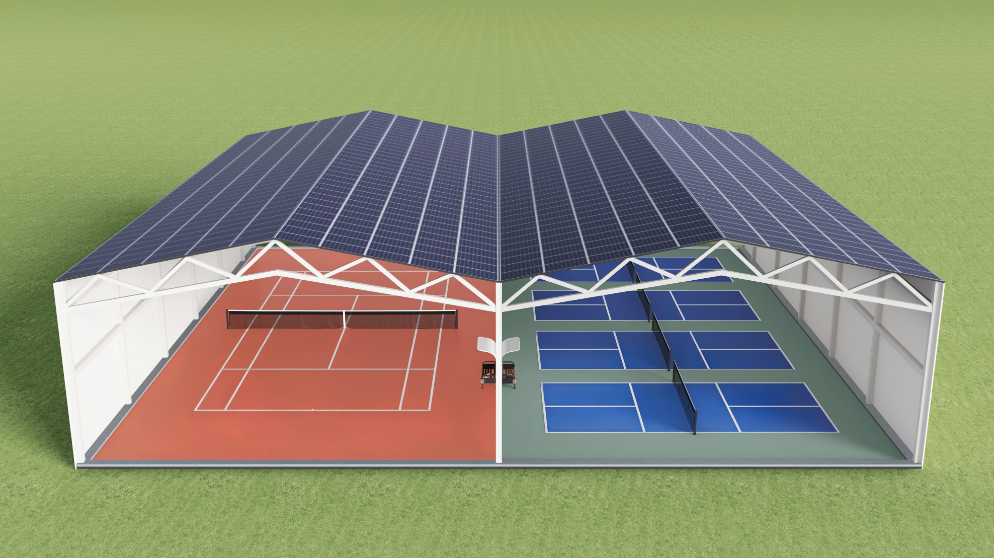
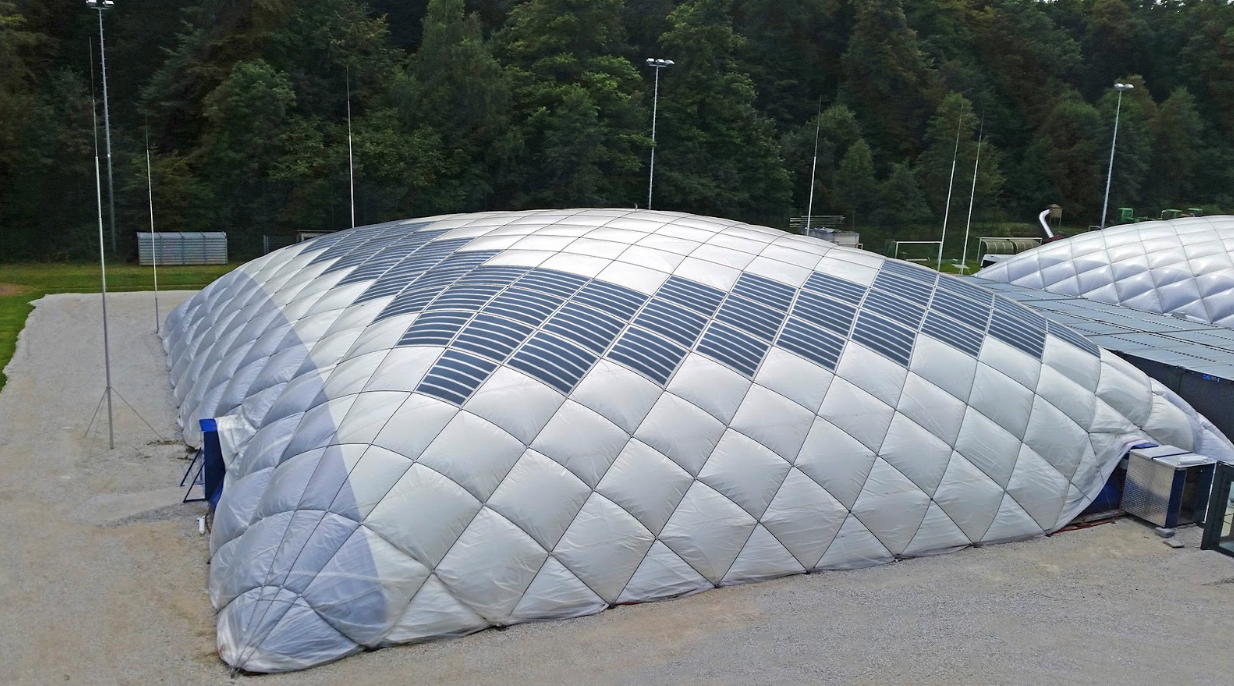
    Installing photovoltaic solar panels on building roofs is highly practical, offering a unique production method that requires no labor. The true advantage of photovoltaic technology is the possibility of having a photovoltaic structure built for free through a straightforward financing system. By financing the structure and solar panels over a longer period (10+ years), the energy produced either for your use or sold to the grid can exceed the monthly payment costs, effectively providing a no-cost solution to generate additional revenue for your club.

    This article provides all the necessary information about photovoltaic structures and their financing:

    __wf_reserved_inherit

    (1) What is a Photovoltaic Structure?

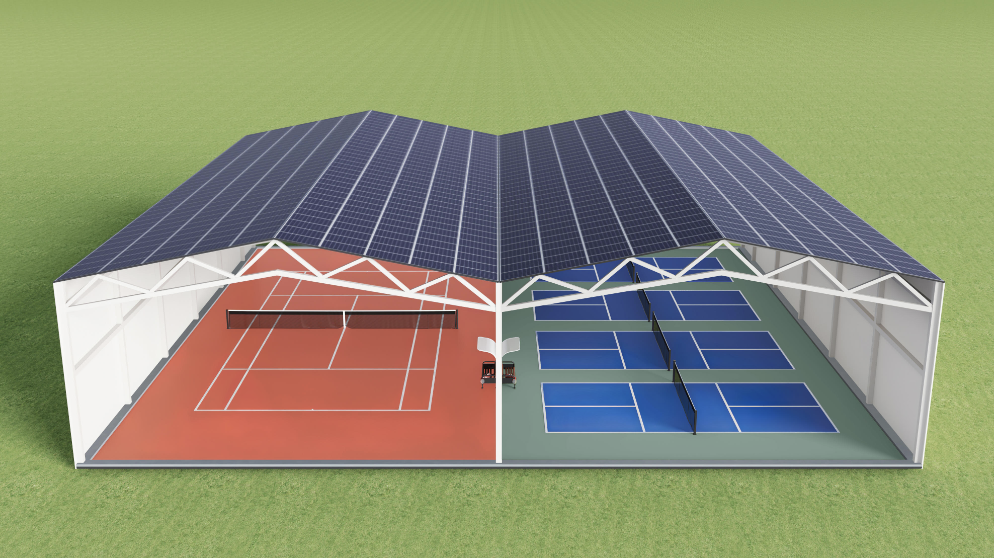
    A photovoltaic structure is a covered building, typically 60 x 120 ft or 7,200 sq ft, equipped with solar panels that generate electricity. This renewable, non-polluting energy can be consumed or sold, allowing you to further develop your activities.

    (2) How Much Does a Photovoltaic Structure Cost?

    The cost of a turnkey photovoltaic structure varies depending on the type of structure, financing conditions, connection costs, and the level of customization. On average, a 60 x 120 ft structure costs around $500,000 USD.

    Other Requirements:

    • Proximity to the Electrical Grid: Your photovoltaic structure must be near the electrical grid, either a transformer or a 20,000 V line (3 wires) if you plan to feed electricity into the grid. We have an AI tool that can help determine this.
    • Optimal Exposure: A southern orientation is ideal, but roofs facing East or West can also be profitable, depending on the region.
    • No Shadows: Ensure there are no buildings, trees, or other elements that could cast shadows on the roof.
    __wf_reserved_inherit

    (3) How to Build a Photovoltaic Structure Without Any Money Out of Pocket

    1. Get a detailed estimate from us for the structure.
    2. Apply for financing.
    3. Get financing approval.
    4. Order the structure and panels.
    5. Get the structure installed.
    6. Connect the solar panels to the grid.
    7. Get paid for the electricity produced or consume it yourself.
    __wf_reserved_inherit

    (4) How Does the Structure Become Free?

    Although a photovoltaic structure requires an initial investment, it can often be financed with zero down payment over seven years or longer. The income from selling electricity or from self-consumption typically covers the payment plan, making the structure virtually cost-free.

    Self-Financing Explained:

    1. Invest in a photovoltaic structure; once operational, you own and manage the electricity production and the building.
    2. Earn income from the sale or self-consumption of the electricity produced.
    __wf_reserved_inherit

    (5) The No-Cost Photovoltaic Structure for Tennis Clubs

    If a free photovoltaic structure meets your club’s needs, let’s discuss the potential collaboration. Choosing a free photovoltaic structure is a simple, quick, and effective way to maximize ROI for your tennis club. However, ensure your project is profitable before proceeding. For a quick and sustainable start, HeroX offers free, no-obligation consultations to guide you through the process. Click the link here to schedule a meeting.

  • 300+ Facility Funding Resources

    300+ Facility Funding Resources

    Here are 6 tips to finance and fundraise for sports facilities:

    1. Explore Private Financing: Seek financing options from banks, credit unions, or manufacturers/suppliers in the sports construction industry that offer installment plans.
    2. Consider Public-Private Partnerships: Partner with public or private entities to share costs and resources, such as schools and private universities or corporate entities.
    3. Organize Fundraising Campaigns: Form a dedicated committee involving stakeholders, parents, and local representatives. Regular meetings and professional fundraising help can enhance success.
    4. Sell Sponsorships: Generate revenue by selling sponsorships like naming rights or advertising packages, offering recognition to donors.
    5. Sublet Facility Usage: Rent out the facility to other clubs or groups to generate revenue and offset construction costs.
    6. Collect Donations: Engage with booster clubs, alumni, and local community members through targeted campaigns, events, and support associations.

    Remember to:

    • Maintain Public Relations: Keep the community informed through websites, social media, and real-world events.
    • Encourage In-Kind Donations: Seek support from local craftsmen or suppliers for material donations or unpaid labor.
    • Get Cost Estimates Early: Understand project costs upfront to plan fundraising effectively and bridge funding gaps.

    300+ Funding Resources:

    Click here to access the full document.

    Now go visit our air dome configurator to get an instant estimate for your future air dome.

  • 4 Popular Air Dome Upgrades

    4 Popular Air Dome Upgrades

    Air domes, widely used for sports facilities, storage spaces, and more, offer unique opportunities for enhancement. While they primarily serve a functional purpose, there’s increasing interest in improving their aesthetic and operational aspects. Here are four popular upgrades for air domes that balance both form and function.

    1. Installing Skylights: Natural lighting is a game-changer for air domes. Skylights not only reduce reliance on artificial lighting during the day but also create a more pleasant, inviting interior atmosphere. They can be strategically placed to maximize daylight exposure while adding an architectural element to the dome’s appearance.
    2. Higher Energy Efficiency Membrane: Upgrading to a more energy-efficient membrane is both an environmentally conscious and cost-effective move. Newer materials offer better insulation, reducing heating and cooling costs. These membranes are not only functional but can also be designed in various colors and patterns to enhance the dome’s external appearance.
    3. Transition from Tunnel to Revolving Doors: Replacing traditional tunnel doors with revolving doors can significantly improve an air dome’s energy management. Revolving doors minimize the loss of heated or cooled air, maintaining a consistent internal climate. This upgrade is particularly beneficial for domes in regions with extreme weather conditions.
    4. Integrating Smart Capabilities: Modern technology allows for the integration of smart systems into air domes. These can include automated climate control, lighting systems, and even security features. Smart capabilities provide a higher level of control and efficiency, making it easier to manage the dome’s environment and security.

    Each of these upgrades not only enhances the functionality of an air dome but also contributes to its aesthetic appeal and operational efficiency. As with any significant investment, it’s essential to consult with specialists to determine the best options for your specific needs and goals.

  • Air Dome Cleaning

    Air Dome Cleaning

    Maintaining clean air domes is crucial for their longevity and effectiveness.

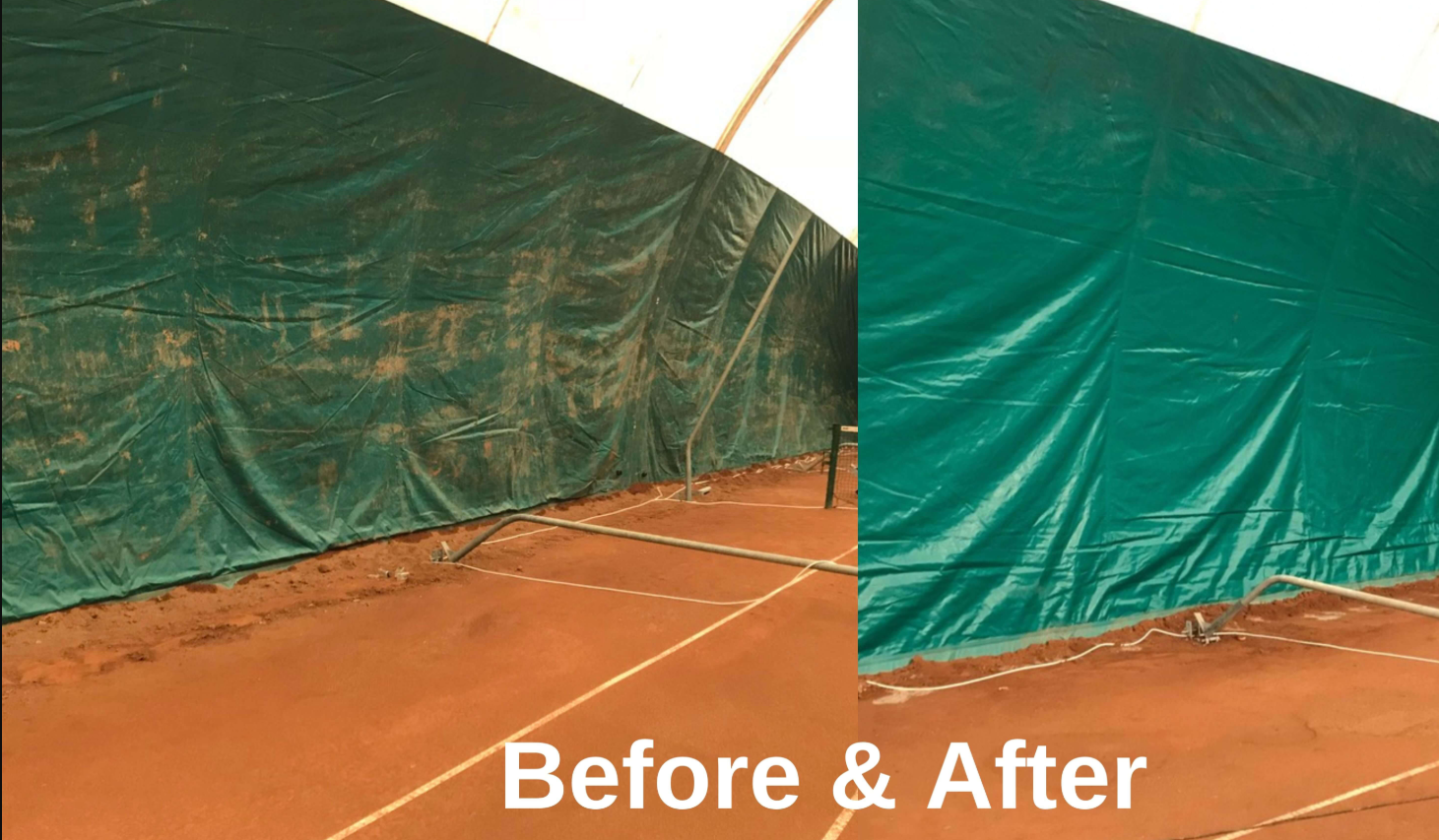
    1. Cleaning Techniques: Depending on the size and material of your air dome, different cleaning methods may be required. For most domes, gentle washing with a mild detergent and a soft-bristled brush can effectively remove dirt. For larger or more delicate structures, consider hiring professionals with the right equipment to handle the task safely.
    2. Preventive Measures: To minimize the need for frequent cleanings, take preventive measures such as storing the air dome during the summer season in a shed, not under direct sunlight. Also, ensure that the area surrounding the air dome is clean and free of debris that could be transferred to the dome’s fabric.
    3. Professional Assistance: If you’re unsure about the best way to clean your air dome or if it requires specialized care, don’t hesitate to call in experts. Professional cleaning services can provide the necessary equipment and expertise to clean your dome safely and effectively.

    Remember, a well-maintained air dome not only looks better but also performs better, ensuring a safe and comfortable environment for its users.