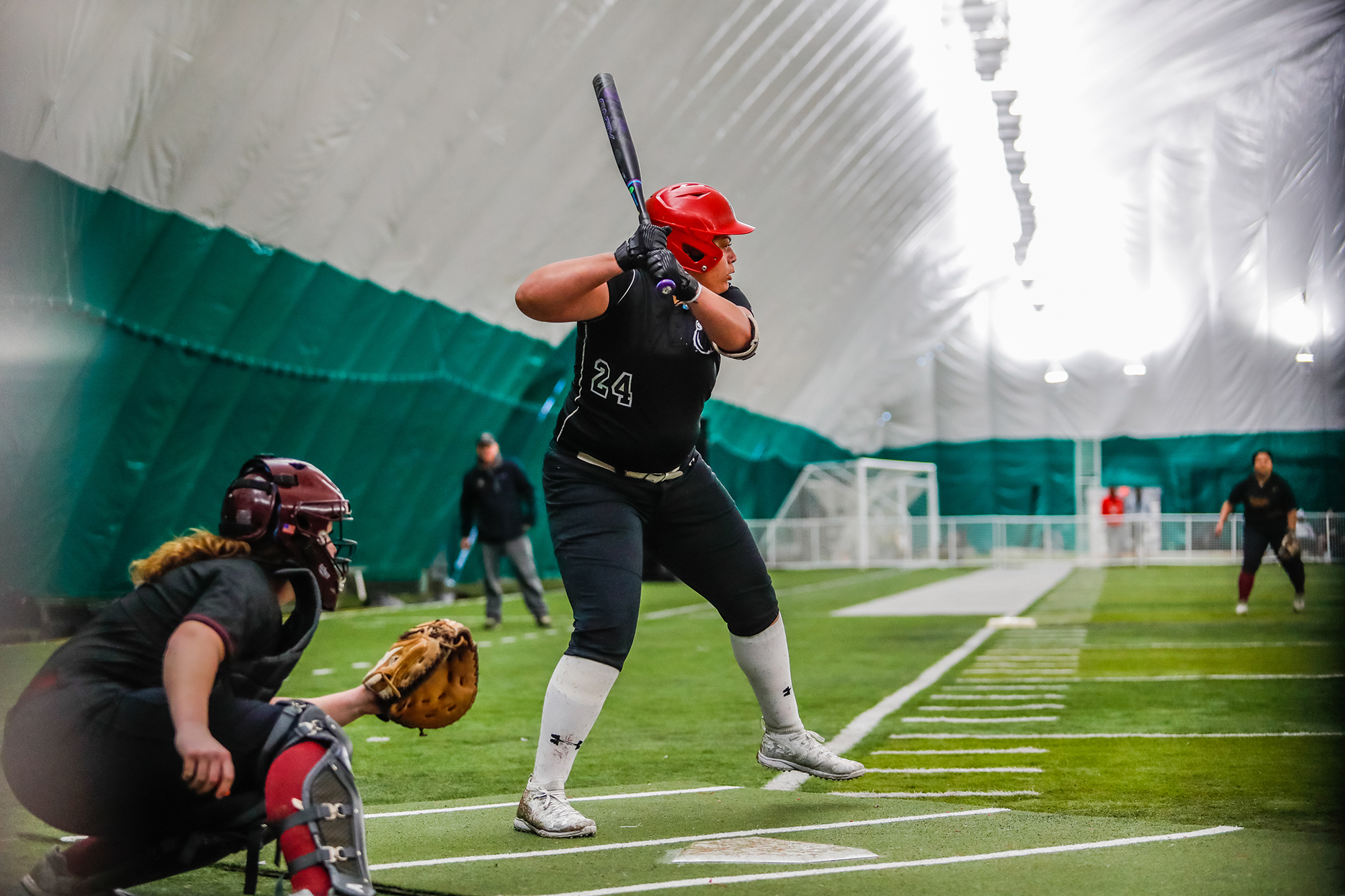
You’re considering a baseball air dome, but the sheer scope of decisions ahead might feel overwhelming. From determining whether your $1.2 million budget covers the full 150′ x 150′ infield space you need, to understanding why specialized engineering costs can make or break your project timeline. The foundation requirements alone will dictate your site selection, and there’s one critical ventilation mistake that’s already derailed three similar projects this year.
Baseball Air Dome Costs: Complete Investment Breakdown
Several factors determine your total investment when planning a baseball air dome, with costs typically ranging from $800,000 to $2.5 million depending on size, features, and site requirements.
Your baseball air dome costs include the fabric structure itself, foundation work, mechanical systems, and installation. A full infield dome measuring 150′ x 150′ with 70′ height represents the baseline investment.
You’ll need additional budget for batting cages, typically 12′ x 14′ x 70′ each, and portable mounds.
Site preparation considerably impacts your budget. You’ll pay more for complex terrain, utility connections, and permit requirements.
Premium features like advanced climate control, LED lighting, and upgraded entrance systems increase costs.
Don’t forget ongoing expenses including electricity, maintenance, and insurance when calculating your total investment.
Size and Space: Baseball Air Dome Dimensions Guide
When planning your baseball air dome, understanding proper dimensions guarantees ideal gameplay and safety for all skill levels.
Your baseball training dome requires careful space allocation to accommodate different activities effectively.
For a complete facility, you’ll need these essential dimensions:
- Full infield space: 150′ x 150′ minimum with 90′ basepaths and 70′ height clearance for fly balls
- Batting cage areas: 12′ x 14′ x 70′ each cage, allowing multiple simultaneous training sessions
- Pitching zones: Portable mound placement with adequate surrounding clearance for safety
The 70-foot height specification isn’t negotiable—it’s vital for realistic practice conditions.
Your baseball training dome’s width determines how many batting cages you can install alongside the main field.
Remember that additional space around the perimeter provides safety zones and storage areas for equipment and maintenance access.
Key Features: Structural Design for Baseball Facilities
Your baseball air dome’s structural integrity depends on specialized engineering that handles both massive internal air pressure and dynamic loads from wind, snow, and seismic forces.
You’ll need reinforced fabric membranes made from PVC or PTFE materials that resist tears and UV degradation. The anchoring system requires deep concrete foundations with tensioned cables extending around the perimeter to counteract uplift forces.
Your baseball air dome must incorporate emergency backup systems, including redundant blowers and automatic pressure monitoring.
Strategic reinforcement patches strengthen high-stress areas where doors, windows, and ventilation systems connect. The fabric’s translucent properties provide natural lighting while maintaining structural performance.
Consider modular designs that allow expansion or relocation.
Professional engineers must calculate load factors specific to your climate zone, ensuring your facility meets local building codes and safety standards.
Site Requirements: Foundation and Installation Process
Three critical foundation elements determine your baseball air dome’s long-term stability and performance. You’ll need proper site preparation, drainage systems, and anchor points to guarantee your indoor baseball facility operates safely year-round.
The installation process requires careful planning and professional execution:
- Site preparation – Level the ground, remove debris, and create proper grading for water runoff.
- Foundation installation – Pour concrete footings or install anchor systems according to manufacturer specifications.
- Utility connections – Run electrical lines for lighting, ventilation, and air circulation systems before dome installation.
You’ll typically need 2-4 weeks for complete installation, depending on site conditions and weather.
Professional installers handle the dome inflation and tensioning process, ensuring proper air pressure maintenance.
Consider accessibility for maintenance vehicles and emergency exits when finalizing your site layout.
Climate Systems: Heating and Ventilation for Year-Round Play
Since temperature fluctuations can make or break your baseball training sessions, you’ll need robust climate systems that maintain ideal playing conditions regardless of outside weather.
Your softball air dome requires powerful HVAC units capable of heating volumes up to 787,500 cubic feet efficiently. Install multiple heating zones with thermostatic controls to prevent hot and cold spots across your 150′ x 150′ playing area.
Ventilation systems must circulate fresh air continuously while maintaining positive air pressure to keep the dome inflated. You’ll want industrial fans positioned strategically to eliminate humidity buildup and prevent condensation on interior surfaces.
Consider energy-efficient radiant heating for player comfort during winter months. Backup heating systems guarantee uninterrupted operation during equipment failures, protecting your investment and maintaining consistent training schedules year-round.