Tag: facility investment

  • UK Indoor Tennis Facilities Market

    UK Indoor Tennis Facilities Market

    You’re watching tennis clubs across the UK transform their revenue streams by adding indoor facilities, but the £80,000-£250,000 investment isn’t something you’d approach lightly. While some clubs report 40-60% revenue increases from year-round play, coaching programs, and corporate events, others struggle with planning permissions and supplier selection. The difference between success and costly mistakes often comes down to understanding which structure type suits your location and how to navigate the regulatory maze ahead.

    Why Indoor Tennis Courts Are Transforming UK Club Revenue

    Across the UK, tennis clubs are discovering that indoor courts aren’t just weather protection—they’re revenue multipliers.

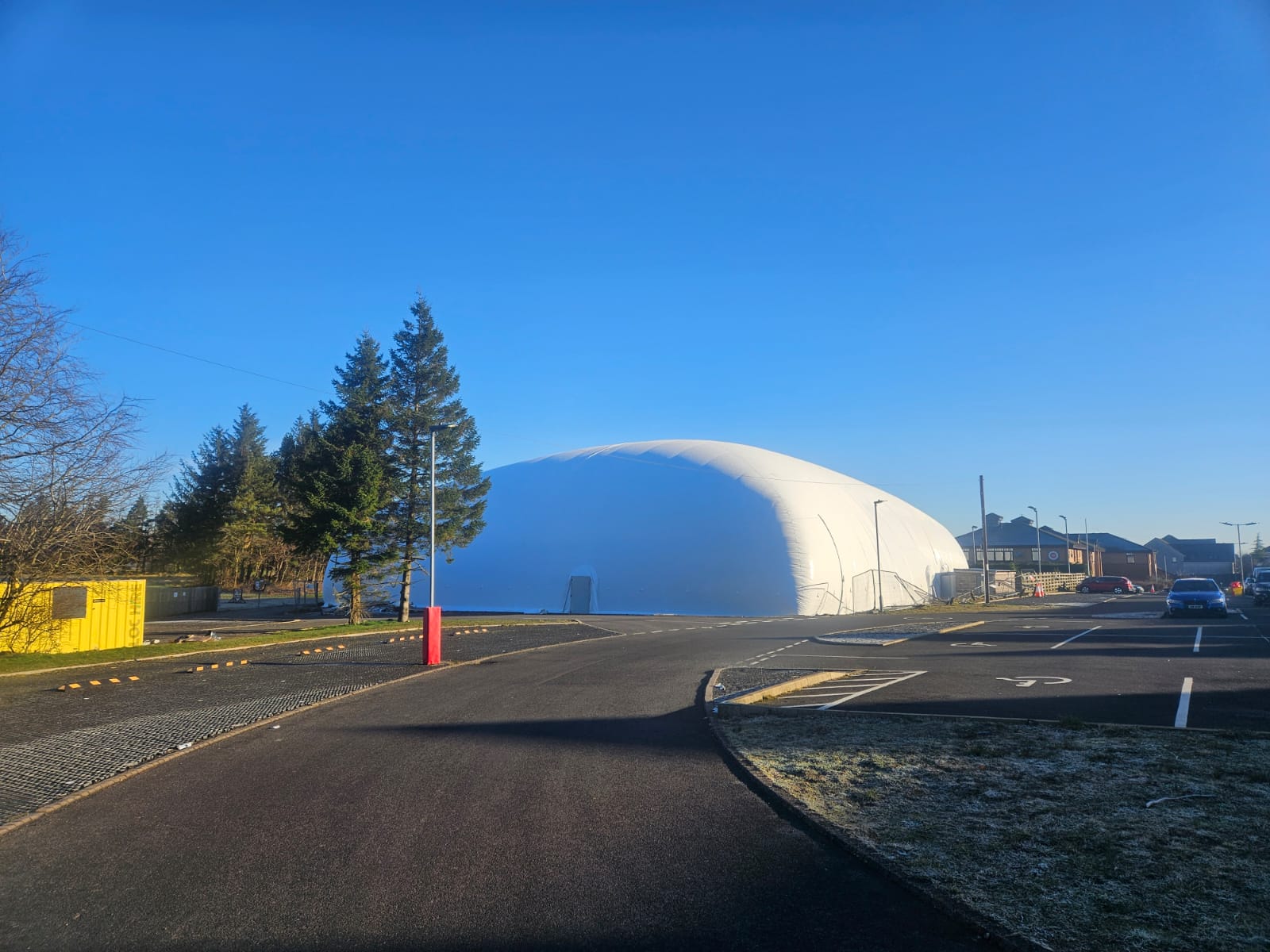
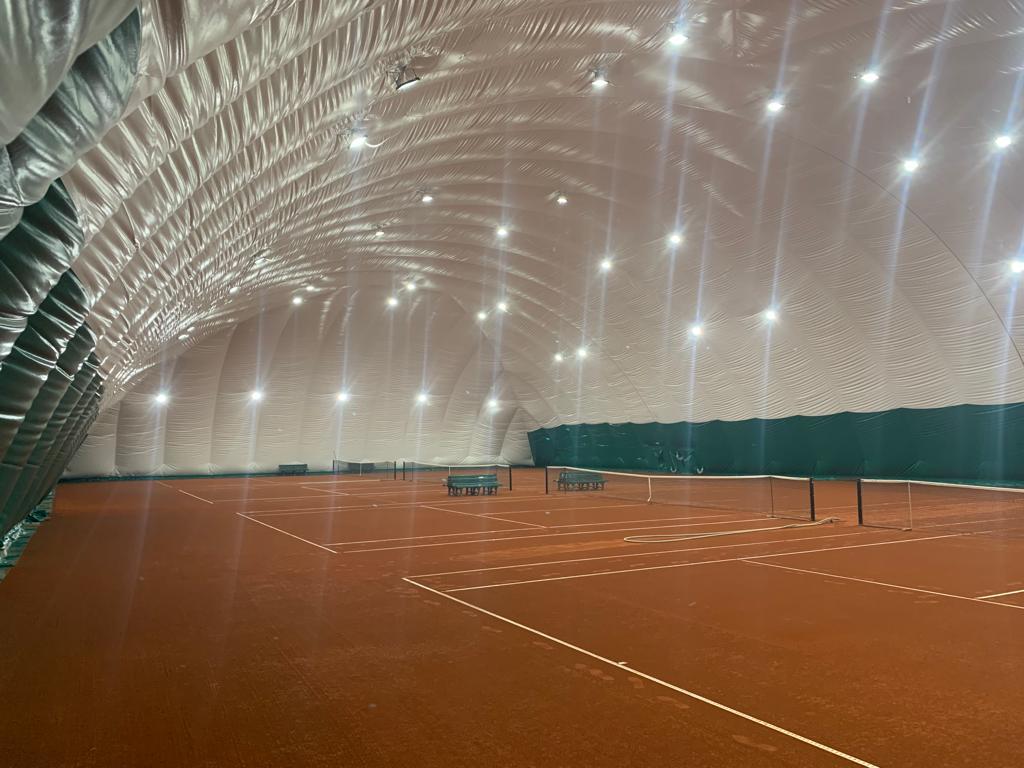
    You’ll generate year-round income instead of seasonal peaks, with courts operating 12 months regardless of British weather conditions. Your UK air dome facility can host coaching programs, tournaments, and corporate events that outdoor venues can’t guarantee.

    When you invest in a UK sports facility with indoor capabilities, you’re expanding your membership base. Players who previously avoided winter tennis become year-round participants.

    You can charge premium rates for guaranteed playing conditions and extend daily operating hours under floodlights.

    Your UK indoor tennis investment transforms unpredictable revenue streams into consistent monthly income. Clubs report 40-60% revenue increases after installing covered courts, making indoor facilities essential for sustainable growth.

    Indoor Tennis Court Costs: £80K-£250K Investment Breakdown

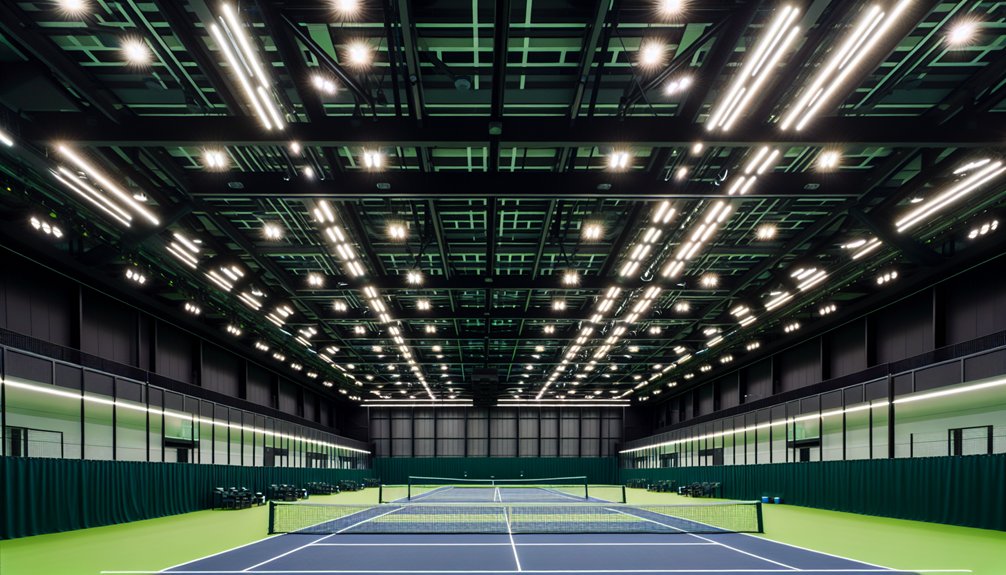
    Building your indoor tennis court requires a substantial upfront investment, with costs ranging from £80,000 to £250,000 for a single regulation court measuring 23.8m x 36.6m (78′ x 120′). Your British tennis dome investment depends on structure type, ground preparation, and additional features.

    Cost Component Basic Range Premium Range
    Structure & Installation £60K-£120K £120K-£180K
    Ground Preparation £15K-£35K £35K-£50K
    Lighting & Ventilation £5K-£15K £15K-£20K

    Air domes typically cost less than permanent fabric structures, but you’ll need Building Regulations approval for most installations. If you’re operating fewer than 28 days yearly, temporary classification might reduce regulatory requirements. Leading suppliers like Broadwell Domes offer extensive packages including design, installation, and ongoing maintenance support for your facility investment.

    Air Domes vs Fabric Structures for UK Weather Conditions

    When choosing between air domes and fabric structures for your UK tennis facility, you’ll face distinct trade-offs in weather resilience and operational requirements.

    Air domes offer superior wind resistance and maintain consistent internal pressure against Britain’s unpredictable weather patterns. They’re particularly effective during winter storms and heavy rainfall that characterize UK conditions.

    Fabric structures provide better ventilation and natural lighting but require robust anchoring systems to withstand high winds. They’re more susceptible to snow loading, a critical consideration for northern regions.

    Air domes demand continuous power for blower systems, creating ongoing operational costs but ensuring structural integrity.

    Fabric structures offer lower running costs but need more substantial foundations. Your choice depends on local weather patterns, energy costs, and maintenance preferences specific to your UK location.

    Planning Permission and Building Regulations Made Simple

    Although indoor tennis facilities might seem like temporary sports structures, you’ll need proper planning permission and Building Regulations approval for most UK installations.

    The process varies considerably depending on your facility’s classification and usage patterns.

    Here’s what you need to take into account:

    • Temporary classification – Available if you use the facility less than 28 days per year
    • Permitted development rights – May apply for certain agricultural or recreational land uses
    • Change of use applications – Required when converting existing land or buildings
    • Structural calculations – Must demonstrate the dome can withstand UK wind loads and snow
    • Fire safety compliance – Emergency exits and access routes need approval for permanent installations

    Working with experienced suppliers like Broadwell Domes streamlines this process, as they understand UK regulatory requirements.

    Top UK Indoor Tennis Court Suppliers and Installers

    Once you’ve navigated the regulatory requirements, selecting the right supplier becomes your next priority. The UK market features several established companies specializing in indoor tennis structures, with Broadwell Domes leading the sector through extensive experience and proven track records.

    Supplier Type Key Advantages
    Specialized Tennis Dome Companies Expert knowledge of court dimensions, ventilation requirements, and sports-specific needs
    General Fabric Structure Providers Competitive pricing, broader construction experience, versatile design options
    Turnkey Installation Services Complete project management, single point of contact, warranty coverage

    You’ll want to evaluate suppliers based on their portfolio, installation timeframes, and post-installation support. Most reputable companies offer site surveys, detailed quotations, and maintenance packages. Consider requesting references from existing clients and visiting completed installations before making your final decision.

  • Field Hockey Air Dome Guide

    Field Hockey Air Dome Guide

    You’re considering a significant investment that could transform your field hockey program’s capabilities, but the sheer number of decisions ahead might feel overwhelming. From determining the right dimensions and turf surface to understanding installation timelines and ongoing costs, there’s a complex web of factors that’ll directly impact your facility’s success. The choices you make now will influence everything from player performance to your bottom line for years to come.

    What Is A Field Hockey Air Dome?

    When you need year-round field hockey training regardless of weather conditions, a field hockey air dome provides the perfect solution. This inflatable structure creates a controlled indoor field hockey facility that maintains ideal playing conditions throughout all seasons.

    A hockey training dome typically spans 180′ x 300′ with a minimum 25-foot ceiling height, providing full regulation field dimensions. The pressurized air system keeps the dome inflated while maintaining consistent temperatures between 40-60°F for player comfort and performance.

    Inside, you’ll find specialized turf surfaces designed specifically for field hockey – either water-based or sand-dressed synthetic materials that replicate professional playing conditions.

    The controlled environment eliminates weather disruptions, allowing teams to maintain consistent training schedules. These versatile structures can also accommodate soccer when needed, maximizing facility usage and investment value.

    Field Hockey Air Dome Size Requirements And Specifications

    Understanding the exact dimensions and technical specifications guarantees your field hockey air dome meets regulation standards and provides excellent playing conditions.

    Your field hockey dome must measure 180′ x 300′ (54.9m x 91.4m), totaling 54,000 square feet of playing surface. You’ll need a minimum ceiling height of 25 feet to accommodate high ball trajectories and player movements.

    The dome requires either water-based or sand-dressed artificial turf that mimics professional field conditions. Climate control systems should maintain temperatures between 40-60°F for peak performance year-round.

    These specifications also allow your facility to double as a soccer field, maximizing usage potential.

    Installation costs typically range from $1.2-3 million depending on location, features, and site preparation requirements. Proper ventilation and lighting systems are essential components for regulation compliance.

    Field Hockey Air Dome Cost: Purchase And Installation

    You’ll face two major cost components when budgeting for your field hockey air dome: the initial purchase price and installation labor expenses.

    The dome structure itself typically ranges from $1.2M to $3M depending on size, materials, and features you select.

    Installation costs can add another 20-40% to your total investment, covering foundation work, mechanical systems, and specialized setup required for proper dome operation.

    Initial Purchase Pricing

    Budgeting for a field hockey air dome requires understanding the significant upfront investment involved in both the structure and installation process.

    You’ll face costs ranging from $1.2 million to $3 million for a regulation-sized field hockey dome measuring 180′ x 300′. This price variation depends on several key factors you need to take into account.

    The dome structure itself typically costs $800,000 to $1.8 million, while site preparation and installation add another $400,000 to $1.2 million.

    You’ll pay more for premium features like advanced climate control systems, higher-quality membrane materials, and sophisticated lighting packages.

    The turf surface choice also impacts pricing – water-based systems cost more than sand-dressed alternatives.

    Location affects pricing too, with remote sites requiring higher transportation and labor costs.

    Installation Labor Costs

    When planning your field hockey air dome project, installation labor represents 25-35% of your total budget, typically ranging from $300,000 to $600,000 for a full-sized facility.

    You’ll need specialized crews for foundation work, electrical systems, and dome assembly. Site preparation costs vary considerably based on soil conditions and drainage requirements, potentially adding $50,000-$150,000 to your labor expenses.

    Professional installers must handle the complex anchoring system that secures your 54,000 square foot structure. Climate control installation requires HVAC specialists familiar with pressurized environments.

    You’ll also need certified electricians for lighting systems that meet field hockey standards. Factor in additional costs for permits, inspections, and potential overtime charges.

    Remote locations increase labor costs due to travel time and accommodation expenses for installation teams.

    Turf Options: Water-Based Vs Sand-Dressed Surfaces

    You’ll need to choose between two primary turf surfaces for your field hockey air dome: water-based and sand-dressed systems.

    Water-based turf delivers superior ball speed and player performance, mimicking international competition standards.

    Sand-dressed surfaces require less complex maintenance but demand regular grooming and infill management to maintain ideal playing conditions.

    Water-Based Performance Benefits

    Professional field hockey players consistently choose water-based turf surfaces for their superior performance characteristics, and you’ll immediately notice the difference when playing on this premium surface type.

    Water-based turf creates ideal ball speed and predictable bounces that match international competition standards. You’ll experience enhanced stick-to-ball control during dribbling, passing, and shooting sequences.

    The surface maintains consistent moisture levels through integrated irrigation systems, eliminating unpredictable dry patches that can disrupt play.

    Your players will develop better technical skills on water-based surfaces since the ball moves similarly to outdoor championship fields. The turf reduces joint stress while providing reliable traction for quick directional changes.

    Most importantly, you’re investing in a surface that prepares athletes for elite-level competition where water-based fields are the global standard.

    Sand-Dressed Maintenance Requirements

    Sand-dressed field hockey surfaces demand a different maintenance approach that requires consistent attention to sand infill levels and distribution patterns.

    You’ll need to regularly redistribute sand using specialized drag brushes to maintain even coverage across the playing surface. Weekly grooming prevents sand migration and guarantees consistent ball roll characteristics.

    You must monitor sand depth carefully, as insufficient infill creates uneven bounces while excess sand slows ball speed dramatically.

    Plan for sand top-ups every 6-8 weeks, particularly in high-traffic areas like shooting circles and center field. Your maintenance schedule should include daily brushing, weekly deep grooming, and monthly sand level assessments.

    Unlike water-based surfaces, you won’t need irrigation systems, but you’ll invest more time in mechanical maintenance to preserve ideal playing conditions throughout your dome’s operating season.

    Climate Control For Year-Round Field Hockey Training

    When temperatures drop below freezing or soar above 80°F, maintaining ideal playing conditions becomes critical for serious field hockey training. Your air dome’s climate control system should target 40-60°F with 50-70% humidity for optimal ball speed and player comfort.

    Temperature Range Player Performance Ball Behavior
    Below 40°F Reduced mobility, stiff muscles Slower roll, unpredictable bounce
    40-60°F (Ideal) Peak performance, comfort Consistent speed and control
    60-75°F Good performance, slight fatigue Slightly faster roll
    75-80°F Increased fatigue, dehydration risk Fast ball speed
    Above 80°F Heat stress, poor performance Erratic behavior

    You’ll need HVAC systems with heating, cooling, and dehumidification capabilities. Install multiple temperature sensors throughout the dome to guarantee even climate distribution. Quality systems cost $150,000-$400,000 but dramatically extend your training season.

    Using Your Air Dome For Soccer And Multi-Sport Activities

    Beyond optimizing your dome for field hockey performance, you can maximize your investment by converting the space for soccer and other sports. Your 180′ x 300′ dome perfectly accommodates a regulation soccer field, making it an ideal dual-purpose facility.

    The shift between sports is straightforward since both use similar field dimensions and turf surfaces. You’ll simply need to swap out goal equipment and adjust line markings as needed.

    Consider these multi-sport possibilities for your air dome:

    • Soccer training sessions with professional-grade turf and consistent playing conditions
    • Lacrosse practices utilizing the spacious field dimensions and protective enclosed environment
    • Ultimate frisbee tournaments taking advantage of the wind-free indoor space
    • Corporate team-building events combining multiple field sports activities

    This versatility transforms your dome into a year-round revenue generator serving diverse athletic communities.

    Field Hockey Air Dome Installation: Timeline And Process

    Once you’ve decided on your field hockey air dome specifications, the installation process typically spans 8-12 weeks from groundbreaking to first play.

    You’ll start with site preparation and foundation work, which takes 2-3 weeks depending on soil conditions and drainage requirements.

    Next comes the turf installation phase, requiring another 2-3 weeks for proper base preparation and synthetic surface laying.

    The dome structure arrives pre-manufactured and takes just 1-2 days to install once the foundation’s ready.

    Inflation and pressurization systems are then connected and tested over several days.

    You’ll need final inspections for electrical, HVAC, and safety systems before receiving occupancy permits.

    Weather delays can extend timelines, so plan accordingly for your region’s seasonal conditions.

    Annual Operating Costs And Maintenance Requirements

    While your field hockey air dome represents a significant upfront investment, you’ll face ongoing annual operating costs ranging from $50,000 to $150,000 depending on your facility’s size and usage intensity.

    Your primary expenses include:

    • Energy costs – Blowers running 24/7 to maintain air pressure, plus HVAC systems for climate control
    • Turf maintenance – Regular watering, brushing, and sand/rubber infill replacement for ideal playing conditions
    • Membrane care – Annual inspections, patch repairs, and UV protection treatments to extend dome life
    • Insurance and permits – Specialized coverage for air-supported structures and municipal compliance requirements

    You’ll also budget for equipment replacement, emergency repair funds, and seasonal weatherproofing.

    Proper preventive maintenance reduces long-term costs while ensuring your facility remains safe and playable year-round.

  • Indoor Tennis Facility Cost Guide 2026

    Indoor Tennis Facility Cost Guide 2026

    You’ll spend between $330,000 and $620,000 per court for a complete indoor tennis facility in 2026, including construction ($250,000-$500,000), site preparation ($10,000-$25,000), and professional installation ($40,000-$100,000). Your surface choice considerably impacts costs—clay runs $45,000-$110,000, concrete $60,000-$115,000, and asphalt $45,000-$60,000. Don’t forget permits, electrical, and fencing expenses ranging $6,600-$20,000. The structure type you choose will determine your total investment and ongoing operational expenses.

    How Much Does An Indoor Tennis Court Really Cost?

    When you’re planning an indoor tennis facility, expect to invest $250,000 to $500,000+ per court for construction. Your indoor tennis facility cost depends heavily on materials, site conditions, and structural complexity. Premium finishes and custom features push prices toward the upper range.

    You’ll need essential infrastructure including structural framing, permanent roofing, heating systems, insulation, ventilation, and professional lighting.

    Each court requires 78′ x 120′ (23.8m x 36.6m) minimum space with high ceilings for proper playability.

    Consider alternative construction methods to reduce your indoor tennis building price. Air-supported domes offer lower upfront investment, though they require annual setup costs.

    For budget-conscious projects, tennis dome cost ranges from $80,000 to $400,000, considerably less than permanent structures costing $500,000 to $2M+. Plan for ongoing annual maintenance costs of $1,500 to $3,000 per court to ensure your facility remains in optimal playing condition.

    Site Prep And Foundation Costs For Tennis Courts

    Before construction begins, proper site preparation forms the foundation of your indoor tennis facility project, typically costing $10,000 to $25,000 for standard installations. Your tennis court covering cost depends heavily on thorough groundwork that prevents future structural issues.

    Site preparation involves several critical phases that directly impact your covered tennis court pricing:

    • Site clearing and grading – $1,000 to $10,000 depending on terrain complexity and vegetation density
    • Professional surveying – $400 to $800 for property line verification and baseline measurements
    • Foundation materials – $1 to $12+ per square foot for compacted gravel, asphalt, or concrete bases
    • Drainage systems – Essential for moisture management in areas with heavy rainfall or poor soil conditions
    • Soil stabilization – Prevents settling and cracking that compromises long-term court performance

    Proper preparation guarantees your indoor facility’s structural integrity and longevity. Indoor courts generally cost more due to structural requirements that must accommodate overhead coverage and climate control systems.

    Clay Vs Asphalt Vs Concrete Court Surfaces

    After completing site preparation, you’ll face an essential decision that greatly impacts both your initial investment and long-term operational costs: selecting the right court surface.

    Surface Type Construction Cost Lifespan
    Clay $25,000–$90,000 Decades
    Asphalt $40,000–$100,000 20–25 years
    Concrete $60,000–$115,000 25–40 years

    Clay courts offer the longest lifespan but require high ongoing maintenance, including daily grooming and frequent watering. You’ll spend $2,500–$2,975 annually on resurfacing. Asphalt courts need crack repairs in freeze-thaw climates and resurfacing every 3–5 years. Concrete provides the best durability but demands proper excavation and drainage systems. Professional facilities should choose acrylic or clay surfaces, while synthetic turf works well for amateur use due to lower maintenance requirements.

    When planning your budget, remember that building permits are typically required for tennis court construction, adding $100 to $750 to your total project costs.

    Bubble Domes Vs Pole Barns For Indoor Courts

    When you’re choosing between bubble domes and pole barns for your indoor tennis facility, you’ll face significant differences in upfront costs, with air-supported domes running $1.4-$2.9 million compared to pole barns that typically exceed these prices as permanent structures.

    Your installation timeline will vary dramatically, as bubble domes offer rapid setup while rigid frame pole barns require extended construction periods.

    You’ll also need to weigh long-term durability against operating expenses, since domes have lower initial costs but higher ongoing energy requirements, while pole barns demand greater upfront investment but offer permanent structural stability. Bubble domes create a more open playing space without the beams and columns found in traditional pole barn structures.

    Cost Comparison Analysis

    While both bubble domes and pole barns can house your indoor tennis courts, the financial implications differ dramatically between these two approaches.

    You’ll find bubble domes cost $85,000–$200,000 for complete single-court projects, while pole barns require $110,000–$300,000. This represents 36–57% savings with bubble installations. The housing alone costs $45,000–$100,000 for bubbles versus $70,000–$200,000 for pole barns.

    Key financial differences include:

    • Bubble domes require minimal site preparation over existing courts.
    • Pole barns demand extensive foundation work and structural framing.
    • Bubble systems include integrated climate control within inflatable structure.
    • Pole barns need thorough HVAC, insulation, and professional lighting.
    • Bubble installations offer seasonal flexibility without permanent modifications.

    Both construction approaches typically require permits from local authorities before installation can begin.

    Durability And Longevity

    Though initial costs favor bubble domes, you’ll need to evaluate long-term durability when choosing between air-supported structures and traditional pole barns for your indoor tennis facility.

    Traditional pole barns built with concrete, steel, and glass frameworks can function as long-lasting community icons when properly constructed, requiring less regular maintenance than air domes.

    Air-supported structures face several durability challenges. You’ll deal with susceptibility to tears from sharp objects, potential snow damage, and structural collapse risks during power outages.

    While PVC fabric carries a 25-year prorated warranty and air domes are rated for 50 years, you’ll need continuous maintenance and 24/7 inflation systems.

    Traditional structures guarantee long-term safety through damage-resistant construction, supporting mounted equipment without inflation limitations while reducing lifetime maintenance expenditures.

    Installation Time Requirements

    Installation timelines represent one of the most dramatic differences between bubble domes and pole barns for indoor tennis courts.

    You’ll have your bubble dome facility operational within 1-3 days, while traditional pole barn construction stretches across months or even years. This massive time difference directly impacts your revenue generation and scheduling capabilities.

    Key Installation Timeline Differences:

    • Bubble domes: Complete setup in just a few weeks with minimal site preparation
    • Pole barns: Require extensive foundation work, structural framing, and interior finishing phases
    • Seasonal flexibility: You can relocate bubble domes in approximately two days
    • Operational readiness: Sports activities commence immediately with bubble domes versus delayed starts with traditional structures
    • Disruption levels: Bubble installations cause negligible interruption compared to complex construction sequences

    Coordinating Court Surfaces With Housing Structures

    You’ll need to match your court surface choice with your building structure’s capabilities, as different surfaces require specific foundation depths and structural support systems.

    Your climate control system must integrate seamlessly with surface materials—hard courts handle temperature fluctuations better than clay, while synthetic surfaces need consistent humidity levels.

    Consider how your chosen surface’s installation timeline coordinates with your building’s construction schedule, since some surfaces can’t be installed until the structure reaches specific completion milestones.

    Surface Material Compatibility Analysis

    When planning your indoor tennis facility, coordinating your court surface with the structural system determines both upfront costs and long-term operational success.

    Each surface type requires specific base requirements and maintenance considerations that directly impact your facility’s operational efficiency.

    • Acrylic hard courts work best with permanent buildings ($500K-$2M+) due to their concrete base requirements and long-term durability.
    • Modular tile systems suit tension fabric structures ($150K-$800K) in mild climates but avoid freeze-thaw environments.
    • Carpet surfaces match air dome budgets ($80K-$400K) for temporary installations with 5-8 year replacement cycles.
    • Clay courts need permanent facilities with dedicated maintenance areas for daily watering and rolling operations.
    • Artificial grass requires climate-controlled permanent structures to maximize its 10-15 year lifespan.

    Climate Control Integration Requirements

    Because your court surface directly influences climate control requirements, selecting the right HVAC system becomes critical for both player comfort and surface longevity.

    You’ll need to maintain temperatures between 65-72°F (18-22°C) and humidity levels at 50-60% to prevent surface degradation and guarantee ideal playing conditions.

    Infrared heating systems work best for sports halls, delivering consistent heat distribution to court areas while operating quietly to avoid disrupting play.

    Your ventilation system must provide robust air circulation to prevent moisture buildup that leads to slick surfaces and premature cracking.

    Consider automated climate control systems with zoning capabilities – they’ll reduce operational costs while maintaining precise environmental conditions.

    Smart building integration with LED lighting and real-time monitoring guarantees efficient energy consumption and prevents costly HVAC failures during events.

    Foundation Depth Considerations

    Proper foundation design extends beyond climate considerations to address the structural coordination between your court surface and the building that houses it.

    Your concrete foundation requires precise depth planning to integrate with drainage systems and accommodate structural loads from your facility’s framework.

    Key foundation depth specifications include:

    • Concrete slab minimum: 150mm (5.9″) depth using 20 MPa concrete strength
    • Base layer requirements: 90mm (3.5″) compacted depth with 25mm Scoria Minus material
    • Drainage integration: Longitudinal trenches 100mm (3.9″) width, pipes positioned 50mm (2″) below subgrade
    • Post-tensioned option: Steel cable reinforcement reduces temperature-related cracking for heavy-use courts
    • Structural coordination: Foundation layout must align with 35-foot (10.7m) minimum ceiling height requirements

    Post-tensioned concrete costs more initially but provides superior long-term durability for competitive facilities.

    What Professional Tennis Court Installation Costs

    Professional tennis court installation requires a considerable investment, with standard courts typically costing $40,000 to $100,000 for a regulation 120′ x 60′ (36.6m x 18.3m) playing surface.

    You’ll pay $5 to $14 per square foot for professional installation, which includes extensive site preparation, materials, and labor.

    Surface material greatly impacts your total costs.

    Clay surfaces range $45,000 to $110,000, while concrete courts cost $60,000 to $115,000.

    Asphalt installations run $45,000 to $60,000, and rubber surfaces range $65,000 to $110,000.

    Professional contractors charge 10% to 20% of total project costs for management services.

    You’ll need landscape architect consultation at $70 to $150 per hour and surveyor services costing $400 to $800 for property verification.

    Permits, Electrical, And Fencing Expenses

    Beyond the court surface installation, you’ll face additional expenses for permits, electrical systems, and perimeter fencing that can add $6,600 to $20,000 to your total project budget.

    Your permit costs will range from $100 to $2,000, covering zoning approvals, construction permits, and environmental clearances.

    The electrical installation for your indoor facility’s lighting system requires $1,500 to $6,000, with electrician labor running $50 to $130 per hour.

    Complete perimeter fencing and gates will cost $5,000 to $12,000 for your regulation-sized court.

    • Urban locations increase labor and material costs greatly
    • Permit approval takes 2 weeks to several months
    • Indoor facilities need more extensive electrical infrastructure
    • Professional installation guarantees safety compliance and durability
    • Early permit applications prevent construction delays

    Complete Tennis Court Budget Guide By Facility Type

    Understanding these additional costs helps you prepare for the complete financial picture, but your total investment depends heavily on which type of indoor facility you choose.

    Air domes offer the most economical entry point at $80K-$400K, requiring minimum dimensions of 78′ x 120′ (23.8m x 36.6m) for single courts.

    Tension fabric structures cost $150K-$800K and provide better durability than basic bubbles.

    For permanent solutions, you’ll invest $500K-$2M+ in traditional buildings with superior longevity.

    Bubble structures over existing courts range $85K-$200K installed, while pole barn solutions cost $110K-$300K total.

    Large-scale air domes reach $1.25-$1.56 million for 62,500 square feet.

    Each option carries different installation timelines, operating expenses, and lifespans that’ll impact your long-term budget planning.

    Frequently Asked Questions

    How Long Does It Take to Construct an Indoor Tennis Facility?

    You’ll need 8-18 months to construct an indoor tennis facility, depending on size and complexity.

    Single-court air domes take 2-4 months, while tension fabric structures require 4-8 months. Permanent buildings need 12-18 months or more.

    Weather won’t affect your timeline since you’re building indoors, but site preparation, permits, and customization features like lighting and viewing areas will extend construction time.

    Larger facilities with multiple courts take considerably longer.

    What Are the Annual Maintenance Costs for Indoor Tennis Courts?

    You’ll spend $500-$2,000 annually per court for basic maintenance, with hard courts being least expensive and clay courts most costly.

    Professional maintenance services range from $1,500-$5,000 yearly depending on your facility size.

    You’ll need $300-$800 for post-resurfacing upkeep and should budget $21,428 annually for eventual resurfacing reserves.

    Monthly overhead typically runs $2,000-$6,000, including utilities at $4,000 for climate control and lighting in indoor facilities.

    Can Existing Outdoor Courts Be Converted to Indoor Facilities?

    Yes, you can convert existing outdoor courts to indoor facilities, but it’s complex and expensive.

    You’ll need to assess your current foundation’s structural capacity, as it may require reinforcement to support indoor infrastructure.

    You’ll add steel framework, roofing, ventilation, lighting, and climate control systems.

    Conversion costs typically range from $200K-$600K per court beyond the original outdoor investment, making it 3-5 times more expensive than building new indoor facilities.

    What Financing Options Are Available for Tennis Facility Construction?

    You’ll find several financing options for tennis facility construction.

    USTA offers competitive grants up to $35k per court for new construction and $50k per court for indoor structures, covering up to 50% of total project costs.

    You can access utility rebates through LED lighting installations, with rebates functioning as down payments.

    Direct commercial financing provides flexible terms for municipal, educational, and private entities with streamlined documentation and competitive rates.

    How Much Space Is Needed Around the Court Inside the Building?

    You’ll need different clearances depending on your facility’s purpose.

    For recreational play, plan for 120′ x 60′ (36.6m x 18.3m) total space per court with 12′ (3.7m) side clearances and 18′ (5.5m) behind baselines.

    Tournament-level courts require 130′ x 70′ (39.6m x 21.3m) with 21′ (6.4m) side clearances.

    You can use minimum dimensions of 114′ x 56′ (34.8m x 17.1m) but it’ll limit player movement and rally quality.