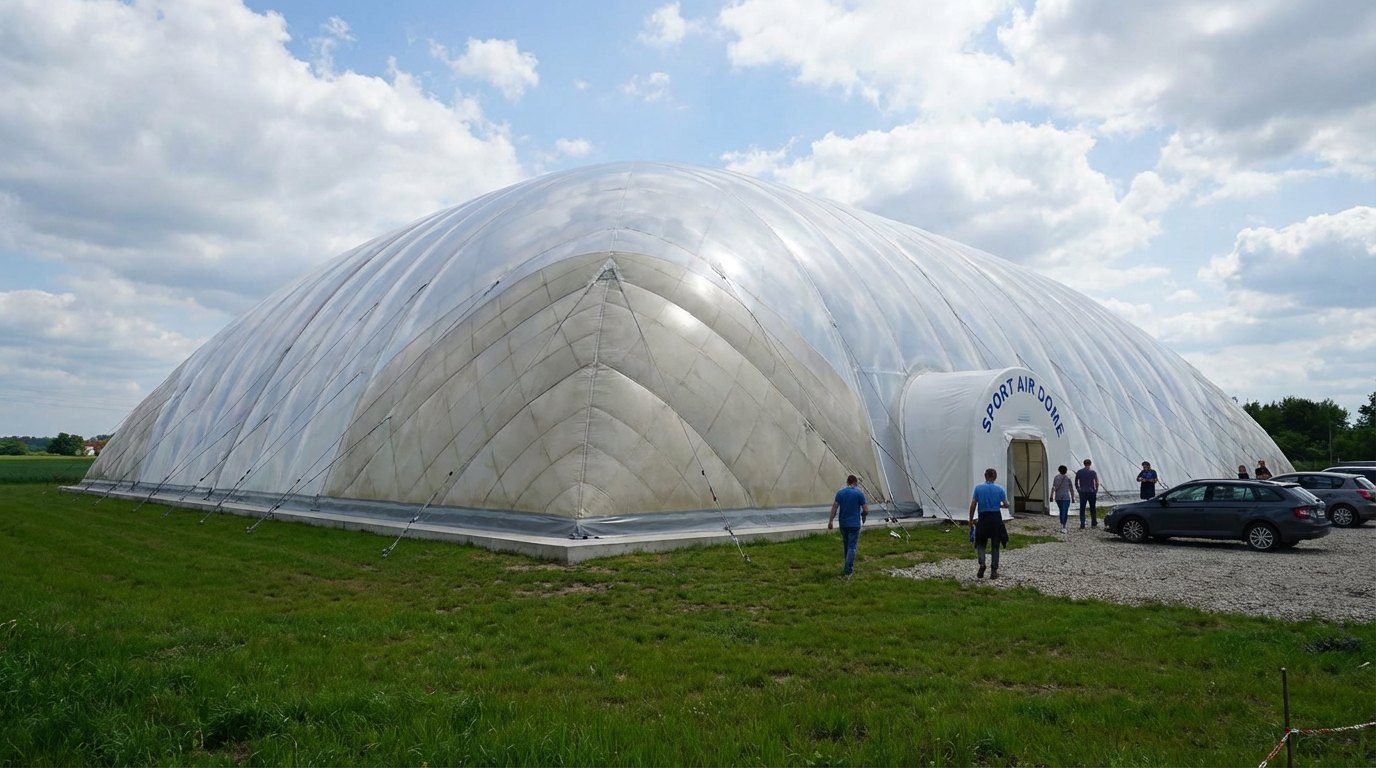
Tag: hidden costs

  • Single vs Double Layer Air Dome

    Single vs Double Layer Air Dome

    You’re facing a significant decision that’ll impact your facility’s operating costs for decades. While that single-layer air dome might save you $700,000 upfront, it could cost you far more in heating bills if you’re in a cold climate. The math isn’t as straightforward as it appears—energy consumption patterns, local utility rates, and seasonal temperature variations all factor into which option actually delivers better value for your specific situation.

    Climate Guide: Does Your Location Need Double Layer Air Domes?

    Where you’re located determines whether you’ll need the extra insulation of a double-layer air dome or if a single-layer structure will suffice. If your facility operates in temperatures regularly dropping below freezing, double-layer construction becomes essential for maintaining comfortable indoor conditions while controlling heating costs.

    Single layer vs double layer decisions hinge on your winter climate severity. Northern climates with sustained sub-zero temperatures demand double-layer systems to prevent excessive heat loss and condensation issues. The superior insulation keeps operating costs manageable when heating from -10°F to 70°F.

    Conversely, you’ll find single-layer domes adequate in moderate climates where winter temperatures rarely dip below 20°F. These locations won’t justify the additional 40% upfront investment since heating demands remain reasonable throughout the season.

    Air Dome Performance: Energy Costs In Different Weather Conditions

    When temperatures plummet below freezing, you’ll see dramatic differences in energy consumption between single and double-layer air domes. Single-layer structures require considerably more heating power to maintain comfortable interior temperatures, especially when outside conditions drop to -10°F or below. Your heating costs can skyrocket during extended cold periods, making single-layer domes expensive to operate in northern climates.

    Double-layer insulated domes reduce energy consumption by 30-40% compared to single-layer alternatives. The insulation gap between layers creates a thermal barrier that retains heat more effectively, lowering your operational expenses throughout winter months.

    • Single vs double layer dome energy efficiency becomes most apparent during extreme weather events
    • Operating costs compound over time, affecting your facility’s long-term profitability
    • Climate zone determines whether energy savings justify higher upfront investment

    Air Dome Pricing: Single Layer ($700K) Vs Double Layer ($1.4M)

    The initial investment for a 20,000 square foot air dome varies considerably between single and double-layer options, with single-layer structures typically costing $700,000 to $1 million compared to $1 million to $1.4 million for double-layer insulated versions.

    This represents approximately a 40% price increase when you choose the insulated air dome configuration.

    While the upfront cost difference seems substantial, you’ll need to evaluate long-term operating expenses.

    Double-layer systems deliver 30-40% lower heating costs, which becomes essential in northern climates where temperatures drop markedly.

    The return on investment typically occurs within 3-4 years in cold weather regions.

    Your climate determines whether the premium pricing makes financial sense.

    In warmer areas, single-layer domes offer adequate performance at lower initial cost.

    Air Dome ROI: How Long Before Double Layer Pays For Itself?

    Understanding your payback timeline helps justify the higher upfront investment in double-layer air dome technology. Your air dome insulation comparison reveals that double-layer systems typically pay for themselves within 3-4 years in northern climates through significant energy savings.

    You’ll spend an additional $300K-$400K upfront for double-layer construction, but you’ll save 30-40% on operating costs annually. These savings primarily come from reduced heating expenses during winter months when single-layer domes struggle with efficiency.

    • Climate dependency: Colder regions see faster ROI due to extreme temperature differentials requiring intensive heating.
    • Usage patterns: Year-round facilities accelerate payback compared to seasonal operations through consistent energy savings.
    • Energy costs: Rising utility rates improve double-layer ROI calculations over time.

    Your investment decision should factor in local climate conditions and intended facility usage patterns.
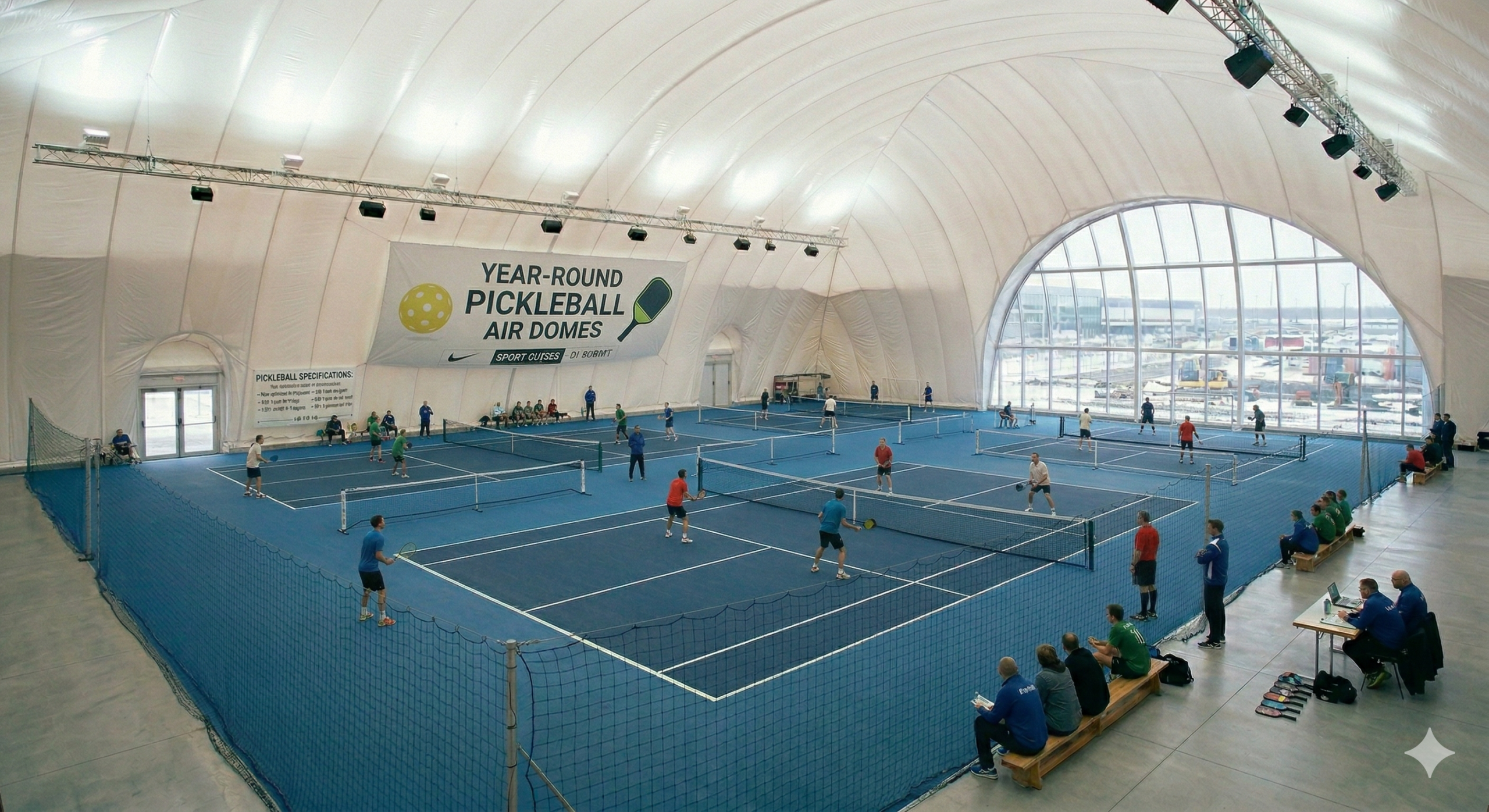
  • Pickleball Air Dome Guide 2026

    Pickleball Air Dome Guide 2026

    You’re considering a pickleball air dome for 2026, but the investment goes far beyond the initial $15,000-$50,000 price tag. While installation costs grab your attention first, the real challenge lies in understanding the complex web of ongoing expenses, regulatory requirements, and operational decisions that’ll determine whether your facility thrives or struggles. The difference between a profitable year-round operation and a costly mistake often comes down to details most owners discover too late.

    Pickleball Air Dome Costs: Installation and Long-Term Investment

    Installing a pickleball air dome requires a significant upfront investment, but it’ll pay dividends through year-round play and reduced long-term facility costs.

    You’ll typically spend $15,000-$25,000 per court for a basic pickleball air dome installation, including foundation work and equipment. Premium indoor pickleball dome systems with advanced climate control can reach $35,000-$50,000 per court.

    However, your pickleball court cover eliminates weather cancellations, extending your playing season by 3-4 months annually.

    You’ll save on court resurfacing costs since the dome protects against UV damage and weather deterioration. Energy-efficient LED lighting and insulation systems keep operational costs manageable at $200-$400 monthly for heating and cooling.

    Most facilities recoup their investment within 2-3 years through increased membership and court rental revenue.

    Air Dome Size Requirements and Multi-Court Layout Options

    Three key dimensions determine your pickleball air dome’s functionality: court size, buffer zones, and ceiling height.

    Each court requires a minimum 20′ x 44′ playing surface, but you’ll want 30′ x 64′ including safety buffers. Your dome needs at least 20′ ceiling height for proper ball clearance.

    When planning your pickleball bubble facility, consider these multi-court configurations:

    1. Single court setup – 30′ x 64′ dome for recreational use
    2. Four-court layout – Fits within standard tennis court footprint
    3. Eight-court facility – 100′ x 150′ dome maximizes player capacity
    4. Twelve-court complex – Premium configuration for tournament play

    Larger facilities offer better economies of scale and revenue potential.

    You’ll need 30-50 foot candles of lighting throughout. The eight-to-twelve court range provides the best balance between investment costs and operational efficiency for most commercial operations.

    Types of Pickleball Air Dome Structures and Material Choices

    Single-membrane structures use one fabric layer with continuous air pressure, creating cost-effective solutions for seasonal use.

    Double-membrane systems feature two fabric layers with insulating air space between them, delivering superior energy efficiency and year-round comfort in harsh climates.

    Your climate determines ideal material choice.

    Hot regions benefit from reflective white fabrics reducing cooling costs.

    Cold areas require insulated double-membrane construction preventing condensation and heat loss.

    Site Preparation and Permit Requirements for Air Dome Installation

    You’ll need to establish proper foundation requirements before installing your pickleball air dome, which typically involves creating a level concrete pad or reinforced surface that can support the structure’s anchoring system.

    The zoning permit process requires you to submit detailed site plans and structural specifications to your local building department, often taking 4-8 weeks for approval.

    You must also verify that your property meets setback requirements and doesn’t violate any height restrictions or noise ordinances in your area.

    Foundation Requirements Planning

    Before your pickleball air dome can provide year-round playing conditions, you must establish a solid foundation that meets both structural requirements and local building codes.

    Your foundation serves as the critical anchor point for the dome’s inflation system and structural integrity.

    Consider these essential foundation requirements:

    1. Concrete perimeter footing – Install reinforced concrete footings around the dome’s perimeter to secure anchor points and handle wind loads.
    2. Interior court surfacing – Choose between concrete, asphalt, or specialized court surfaces that provide proper drainage and player safety.
    3. Utility integration – Plan for electrical conduits, HVAC connections, and plumbing rough-ins before pouring concrete.
    4. Frost protection – Make certain footings extend below frost line in cold climates to prevent heaving and structural damage.

    Professional engineering consultation guarantees your foundation meets manufacturer specifications and local requirements.

    Zoning Permit Process

    While your foundation plans take shape, securing proper zoning permits becomes your next critical milestone in the air dome installation process.

    You’ll need to contact your local zoning board early since approval timelines vary greatly between jurisdictions. Most municipalities classify air domes as temporary or semi-permanent structures, but specific regulations differ widely.

    Start by requesting a pre-application meeting to discuss your project’s scope and requirements. You’ll typically need site plans, structural drawings, and proof of liability insurance.

    Commercial zones generally offer smoother approval paths than residential areas, where noise and traffic concerns may arise.

    Submit applications for building permits, special use permits, and potentially conditional use permits.

    Factor in 60-90 days for processing, as appeals or modifications can extend timelines considerably.

    Climate Control and Lighting Systems for Year-Round Play

    You’ll need a robust HVAC system to maintain consistent temperatures and air circulation throughout your dome’s interior space.

    Your lighting setup must meet the 30-50 foot candles standard using energy-efficient LED fixtures that won’t overheat the enclosed environment.

    These two systems work together to create comfortable playing conditions regardless of outside weather.

    HVAC System Requirements

    Although air domes provide excellent protection from outdoor elements, they require sophisticated HVAC systems to maintain ideal playing conditions throughout the year.

    You’ll need to take into account several critical factors when designing your climate control system.

    Your HVAC system must handle unique challenges that standard indoor facilities don’t face:

    1. Temperature regulation – Maintain 65-75°F (18-24°C) for optimal player comfort and ball performance
    2. Humidity control – Keep levels between 40-60% to prevent condensation on dome surfaces
    3. Air circulation – Guarantee consistent airflow throughout the space without creating drafts that affect ball trajectory
    4. Pressurization balance – Maintain proper air pressure to keep the dome inflated while providing fresh air exchange

    You’ll also need backup systems to prevent dome collapse during equipment failures, making redundancy essential for safe operation.

    LED Lighting Standards

    Proper lighting becomes just as important as climate control when creating an ideal playing environment inside your air dome.

    You’ll need to maintain 30-50 foot candles of uniform illumination across all court surfaces to guarantee players can track the ball effectively during fast-paced rallies.

    LED fixtures offer the best solution for pickleball air domes because they’re energy-efficient, generate minimal heat, and provide consistent light output.

    You should position lights at least 20 feet above the playing surface to prevent glare and shadows that could interfere with gameplay.

    Install fixtures strategically to eliminate dark spots, particularly at net areas where most volleys occur.

    Consider dimming capabilities for different skill levels and training sessions.

    Quality LED systems will reduce your operational costs while delivering the bright, even lighting that serious pickleball players demand.

    Air Dome Maintenance Costs and Seasonal Operations

    When planning your pickleball air dome facility, understanding maintenance costs and seasonal operations will greatly impact your budget and profitability.

    You’ll need to account for ongoing expenses that keep your facility running smoothly throughout different seasons.

    Your primary maintenance considerations include:

    1. HVAC system servicing – Regular filter changes, blower maintenance, and seasonal tune-ups typically cost $2,000-4,000 annually.
    2. Fabric inspection and repairs – Minor patching and seam maintenance runs $500-1,500 per season.
    3. Anchor system checks – Foundation and tie-down inspections guarantee structural integrity for $300-800 yearly.
    4. Winter weatherization – Snow load management and heating costs can add $1,000-3,000 monthly in cold climates.

    You’ll also face seasonal operational adjustments, including increased heating costs during winter months and potential temporary deflation during severe weather events.