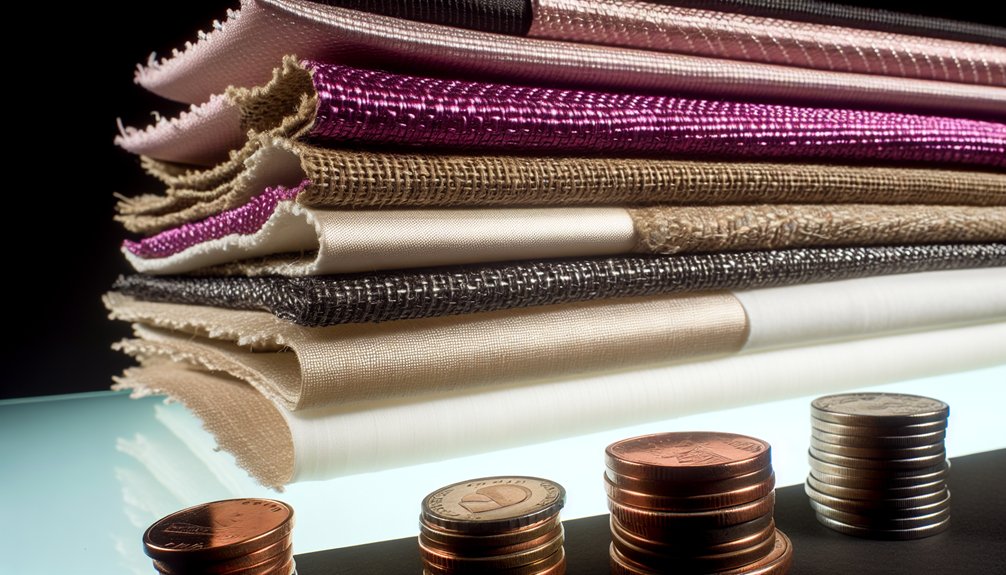
You’ll save 40-60% on total building costs when you choose fabric structures over conventional steel or wood construction, with upfront savings of $20-30 per square foot compared to $34-35 for traditional materials. Monthly operating expenses run $800-2,000 for fabric buildings versus $1,500-3,500 for air domes, while repair costs stay considerably lower at $2 per square foot compared to $7 for steel sheeting. Understanding these cost components will help you identify the most financially advantageous building solution.
Upfront Building Costs: Fabric vs Steel vs Wood Pricing
When comparing upfront construction costs, fabric structures deliver the most economical option at $20-30 per square foot, undercutting both steel and wood alternatives.
You’ll find pre-engineered steel components averaging $34 per square foot installed, while wood framing costs approximately $35 per square foot. Cold-formed steel framing runs about $26.50 per square foot for materials alone.
Fabric structure operating costs start with these lower initial investments, giving you immediate savings upon completion. Fabric roofs eliminate expensive roofing materials that traditional steel buildings require, contributing to the overall cost reduction.
Unlike rigid frame structure monthly costs that include higher material expenses, fabric buildings substantially reduce your overall construction budget.
The clear span building operating expenses begin favorably since you’re investing less upfront compared to traditional steel or wood construction methods, making fabric structures the most cost-effective choice for your building project.
Installation Costs and Timeline: Why Fabric Wins on Labor
Beyond the initial material savings, fabric structures deliver substantial labor cost advantages that further reduce your total project investment. You’ll use 50% fewer labor hours compared to steel alternatives, requiring only 0.02 to 0.04 man-hours per square foot versus steel’s 0.04 to 0.07. This efficiency saves hundreds of labor hours on facilities exceeding 20,000 square feet.
Your installation timeline accelerates dramatically. Steel frames erect within hours to days, while fabric covering completes just as quickly using seamless tensioning methods. The Regis University Berce Athletic Center demonstrates this speed, finishing in four months rather than years. Fabric buildings achieve remarkable construction speeds of approximately 2,500 square feet per day, allowing rapid project completion even on large-scale facilities.
These tension fabric building expenses remain 20%-30% lower when manufacturers handle installation. You’ll achieve faster operational deployment, improved ROI timelines, and thousands in labor savings on large facilities through simplified construction processes.
Monthly Operating Expenses: Energy and Utility Comparisons
While installation costs grab immediate attention, your fabric structure’s monthly operating expenses deliver the most compelling long-term savings.
Frame-supported fabric buildings operate at $800-2,000 monthly versus air domes requiring $1,500-3,500 monthly. You’ll eliminate constant blower operation costs that plague pressurized structures.
Natural light penetration through translucent fabric reduces your electricity consumption considerably. You’ll only need HVAC when walls are closed, unlike traditional buildings requiring year-round climate control.
These structures span up to 300 feet clear without interior supports, maximizing usable space while minimizing heating and cooling zones.
Your energy savings compound monthly through reduced lighting needs during daylight hours and strategic HVAC usage. Manufacturing facilities should maintain a minimum cash buffer of at least $437,000 to ensure operational stability during peak production periods.
Limited maintenance requirements further decrease operational expenses compared to steel or concrete alternatives requiring regular upkeep and repairs.
Long-Term Maintenance: Repair Costs Over 20 Years
Your fabric structure’s true financial advantage emerges through decades of reduced maintenance requirements and repair costs.
You’ll spend considerably less on repairs, with fabric averaging $2 per square foot compared to traditional steel sheeting at $7 per square foot. Your maintenance schedule becomes simpler—periodic fabric inspections, routine tension checks, and occasional cleaning with mild soap suffice.
You’ll see extended component lifespans with high-performance membranes lasting 20-30 years and galvanized steel frames exceeding 20 years.
Your structure avoids corrosion, water leakage, and moisture damage that plague traditional buildings with screws and nails. Unlike rigid materials that crack under environmental pressure, fabric structures maintain their integrity through flexible absorption of wind and snow loads. Over two decades, you’ll realize substantial savings through reduced maintenance frequency, lower labor costs, and minimal upkeep requirements that extend your fabric cover’s replacement timeline.
Fabric Replacement Costs: Planning for Material Lifecycles
You’ll need to plan for fabric replacement as the most significant long-term expense in your structure’s operating budget.
Your material choice directly impacts replacement frequency—premium fabrics cost more upfront but can extend your structure’s lifespan by 20-40% compared to basic options.
You should calculate lifecycle costs rather than focusing solely on initial material prices, since quality fabrics often break even within 3-5 years through reduced replacement needs. Factor in maintenance costs when evaluating different fabric options, as these recurring expenses can significantly impact your total cost of ownership over the structure’s operational life.
Material Durability Expectations
When planning fabric structure investments, understanding material lifecycles becomes essential for accurate long-term budgeting.
You’ll find outdoor upholstery fabrics lasting 5–15 years depending on quality and maintenance, while sailcloth tents consistently deliver 10–15 years with proper care. Canvas structures typically provide 7–10 years of service life.
Your fabric’s durability depends heavily on environmental factors. UV exposure accelerates deterioration and fades colors, while extreme temperature fluctuations create additional stress.
However, high-performance fabrics with UV resistance maintain structural integrity longer than standard alternatives.
Maintenance practices greatly impact longevity. You’ll extend fabric life by protecting structures from direct sunlight during storage and following proper cleaning protocols.
Quality construction with tight weaves and superior materials justifies higher upfront costs through extended replacement cycles, reducing your long-term operating expenses.
Replacement Cost Planning
Understanding material durability provides the foundation for developing accurate replacement cost strategies that protect your long-term investment.
You’ll need to calculate cost per use by dividing purchase price by expected lifespan, factoring in your actual usage frequency. This analysis reveals whether higher-quality fabrics deliver better value despite elevated initial costs.
Track your fabric’s performance in operational environments to refine future purchasing decisions.
Monitor breakdown patterns and consumption data to establish monthly and annual replacement expenses. You should maintain detailed records of individual textile failures and spare part consumption for effective inventory planning.
Implement proper maintenance protocols to prevent premature degradation.
Harsh washing cycles, overheating, and unbalanced loads accelerate replacement needs.
Professional laundering services extend fabric lifespan through correct temperatures, chemistry, and handling practices, reducing unplanned replacement costs.
Total Ownership Analysis: Which Building Type Saves Most?
When you’re evaluating building options, you’ll need to examine three critical cost components that determine your long-term financial commitment.
Your initial investment represents just the starting point, as ongoing maintenance expenses and daily operational costs will greatly impact your total ownership experience over decades.
Understanding how fabric structures compare against traditional metal, wood, and concrete buildings across these cost categories helps you identify which option delivers the greatest savings throughout your facility’s lifespan.
Initial Investment Breakdown
Three primary factors determine your fabric structure’s initial investment: foundation requirements, frame specifications, and fabric membrane quality.
Foundation costs vary dramatically based on your soil conditions and local building codes, ranging from simple concrete footings to extensive pier systems. Your frame selection—whether steel, aluminum, or hybrid materials—directly impacts both upfront costs and long-term durability.
The fabric membrane represents 20-30% of total investment, with architectural-grade materials offering superior weather resistance and longevity.
You’ll also need to budget for engineering, permits, and installation labor. Unlike traditional construction, fabric structures require specialized contractors familiar with tensile systems.
Consider that your initial investment typically runs 40-60% less than comparable conventional buildings, while the streamlined installation process reduces construction financing costs and gets you operational faster.
Long-Term Maintenance Expenses
Maintenance schedules for fabric structures reveal dramatic cost advantages over conventional buildings throughout their operational lifespan.
You’ll spend $800-2,000 monthly operating frame-supported fabric buildings compared to $1,500-3,500 for air domes. This difference compounds markedly over decades of ownership.
Your maintenance costs stay lower because there’s no constant blower operation requiring repairs and replacements. The fabric’s natural light transmission cuts your electricity expenses substantially, while HVAC systems only operate when wall sections are closed.
You’ll also benefit from simpler structural components spanning up to 300 feet without interior supports.
Over a 20-year period, you’re looking at potential savings of $168,000-360,000 compared to air-supported alternatives.
These structures require periodic fabric replacement every 15-25 years, but even factoring in this major expense, your total ownership costs remain considerably lower than traditional construction methods.
Operational Cost Savings
Your total ownership analysis reveals that frame-supported fabric structures deliver the most substantial operational savings across all building categories.
You’ll spend $800-2,000 monthly on operating costs compared to air domes’ $1,500-3,500 range. You’ll eliminate constant blower operation expenses that inflate air dome utility bills year-round.
Your energy savings compound through natural light transmission, reducing electricity costs by minimizing artificial lighting needs.
You’ll only run HVAC systems when walls are closed, unlike conventional buildings requiring continuous climate control. This selective operation dramatically cuts your monthly utilities.
You can construct clear spans up to 300 feet without internal support columns, maximizing usable space per dollar invested.
Your maintenance requirements stay minimal since you’re not dealing with complex mechanical systems or concrete deterioration.
These combined factors position fabric structures as the most cost-effective building solution for long-term ownership.
Frequently Asked Questions
How Do Weather Conditions Affect Fabric Structure Operating Costs Year-Round?
Weather conditions greatly impact your fabric structure’s operating costs throughout the year.
You’ll save money during mild seasons when natural ventilation reduces HVAC needs, but expect higher heating costs in winter.
Your frame-supported structures give you flexibility – you can open walls during favorable weather to minimize energy use.
Snow loads and extreme temperatures don’t damage the fabric like traditional materials, keeping your maintenance costs predictably low year-round.
What Insurance Costs Differences Exist Between Fabric and Traditional Building Structures?
You’ll typically pay lower insurance premiums for fabric buildings compared to traditional structures.
Insurers recognize engineered fabric buildings meet safety codes while offering superior weather resistance and fewer failure points.
You’ll benefit from reduced claims risk since fabric structures eliminate moisture entry points, resist mold and pests, and don’t require complex HVAC systems.
The simpler design means fewer maintenance issues and more predictable coverage costs over time.
Can Fabric Buildings Be Relocated and What Are the Costs?
Yes, you can relocate most fabric buildings, though structures built before 2014 need case-by-case assessment.
You’ll spend 5-12% on engineering and permits, while moving operations cost 30-50% of your total budget.
Relocation typically costs considerably less than building new. You can modify and upgrade during dismantling, making it cost-effective for business moves, mergers, or changing space requirements while reducing construction timelines.
How Do Fabric Structures Perform in Extreme Climates Like Hurricanes?
Your fabric structures perform exceptionally well in hurricanes when properly engineered.
You’ll find PTFE-coated fiberglass membranes withstand 140 mph impacts and debris strikes without tearing. Real examples prove this – Port of Miami’s terminals survived Hurricane Wilma with minimal damage, while San Juan’s 900-foot canopy maintained stability in 125+ mph winds.
You’re getting hurricane-force protection through aerodynamic designs, reinforced frames, advanced tensioning systems, and Miami-Dade certified materials that resist wind and debris.
What Permits and Inspections Are Required for Fabric Building Operations?
You’ll need building permits under Chapter 31 of the International Building Code for steel-framed tension fabric structures.
Start by consulting your local building authority since requirements vary by municipality, site size, and intended use. You’ll submit detailed site plans showing location, dimensions, and purpose.
Structures over 200 square feet require operational permits under fire codes.
After construction, you’ll undergo final inspection to verify compliance with approved plans and safety codes.