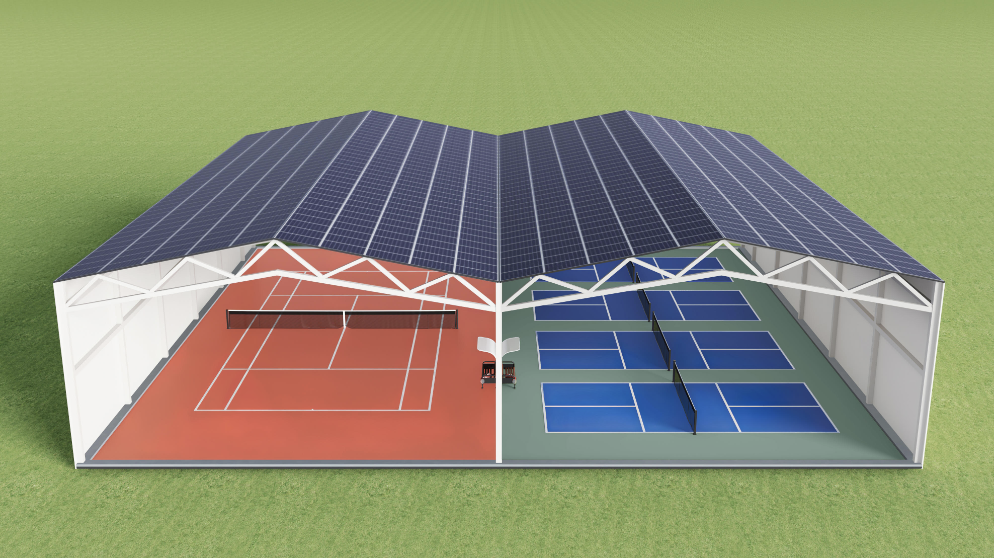
You’ll pay between $10-30 per square foot for tension fabric structures in the USA, with smaller buildings hitting the higher end and larger projects dropping to $8-25 per square foot. Total costs range from $150,000-$800,000 depending on size and complexity. Foundation work adds $2-12 per square foot, while installation varies 20-40% by region due to labor availability and local codes. Though upfront investment seems steep, you’ll see 16-19% energy savings and minimal maintenance costs that make these structures financially attractive over time.
What Fabric Buildings Actually Cost: $10-30 Per Square Foot Breakdown
Three primary factors determine fabric building costs: structure size, installation requirements, and foundation type.
You’ll pay $10-30 per square foot for most tension fabric structure cost projects, with smaller buildings hitting the higher end of this range. A 1,000 sq. ft. structure costs $10,000-$30,000 total, while 10,000+ sq. ft. buildings drop to $8-25 per square foot due to economies of scale.
Kit-only pricing starts at $15-26 per square foot, but you’ll need to add installation costs. A 30′ × 60′ building jumps from $15-20 per square foot for the kit to $23-28 installed.
Foundation requirements add another $2-12 per square foot depending on whether you choose temporary screw anchors or permanent concrete foundations. Direct purchasing from manufacturers eliminates middleman costs and can provide significant savings on your project.
The Big 3 Cost Drivers That Determine Your Final Price
Several variables control your tension fabric structure budget, but size, complexity, and location dominate the equation.
Your building’s square footage directly impacts rigid frame fabric building price through material quantities and engineering requirements. Larger spans need more steel, driving costs upward considerably.
Design complexity creates the second major cost driver. Custom profiles, unique architectural features, and specialized engineering requirements increase expenses beyond standard turnkey options.
You’ll pay more for round buildings, extended eaves, or unusual configurations compared to basic rectangular designs.
Location represents your most unpredictable cost variable. Urban jobsites with union labor requirements, crane access challenges, and permit complications can double installation expenses.
Rural locations with easy access typically offer substantial savings on labor and logistics costs. Fabric structures require significantly fewer man-hours during installation compared to traditional construction methods, with erection needing only 0.02-0.03 hours per square foot.
Size And Span Requirements: When Bigger Gets Expensive Fast
While small tension fabric structures offer predictable pricing, your costs escalate dramatically once you exceed standard span widths. Extended spans demand precision engineering and custom steelwork to handle increased load distribution, driving up your clear span structure cost considerably.
You’ll face higher-grade steel requirements like Q345 specifications, plus elevated professional services for wind load analysis and structural simulations.
Larger buildings require proportionally greater fabric membrane quantities, ranging $40–$420 per square meter depending on material grade. Frame-supported configurations utilize substantially more steel than mast-supported alternatives, directly impacting total material expenses.
Your foundation requirements increase considerably with building footprint, demanding extensive anchor point systems and specialized concrete pad specifications. Complex double-curved surfaces necessitate advanced structural calculations, further escalating design and engineering expenses. Larger projects often achieve lower per-square-meter costs despite higher absolute expenses due to economies of scale in material procurement and installation efficiency.
Installation Costs By Region: Labor And Shipping Variables
Your tension fabric structure installation costs fluctuate considerably based on regional labor rates and shipping logistics, creating price variations that can impact your budget by 20-40% depending on location.
Installation services availability varies greatly by region and manufacturer proximity, affecting your fabric covered building pricing substantially.
Geographic factors influencing your installation expenses include:
- Urban vs. rural locations – Metropolitan areas require extended timelines and specialized site management, increasing costs.
- Regional service provider availability – Limited local contractors drive up labor rates and travel expenses.
- Climate-specific engineering requirements – Heavy snow and wind regions mandate custom structural reinforcement.
- Building code compliance variations – Local permit requirements affect installation specifications and approval timelines.
Rural installations typically offer straightforward access and lower labor costs, while busy metropolitan worksites experience premium pricing for specialized contractors and complex logistics management. Market conditions create additional cost volatility through fluctuating freight costs that affect material delivery across different regions.
Why Higher Upfront Costs Save Money Over 10+ Years
Although tension fabric structures require a substantial initial investment of $150K-$800K, the higher upfront costs generate considerable long-term savings that compound over decades of operation.
You’ll reduce energy bills through 16-19% natural light penetration and superior insulation that maintains 15-degree temperature differences. Your steel frame sports building cost becomes more justified when considering minimal maintenance requirements—galvanized steel frames resist corrosion while fabric materials eliminate rust concerns entirely.
You’ll benefit from substantial tax deductions that often allow complete upfront cost write-offs, creating immediate financial relief. The pre-engineered components facilitate faster construction timelines, reducing labor costs and project delays compared to traditional building methods.
The fabric’s self-tensioning properties and modular repair design minimize ongoing expenses. With frames lasting 30-40 years and fabric surviving 20-30 years, your operational savings from reduced HVAC costs and maintenance expenses will considerably exceed the initial premium investment.
Frequently Asked Questions
What Permits and Approvals Are Required for Tension Fabric Structures?
You’ll need to verify permit requirements with your local building department since they vary considerably between jurisdictions.
Tension fabric structures must comply with International Building Code standards and ASCE 55-10 specifications.
Contact local authorities early in your planning phase to identify required permits.
Many temporary fabric buildings don’t require building permits or increase property taxes, but you can’t assume this applies to your specific location without confirmation.
Can Tension Fabric Buildings Withstand Hurricanes and Extreme Weather Conditions?
Yes, you’ll find that high-quality tension fabric buildings can withstand hurricanes and extreme weather when properly engineered.
They’ll handle Category I hurricane winds (105 mph, 28 psf pressure) with standard construction, while Category III conditions (47 psf pressure) require robust anchoring systems and deep foundations.
You’ll need 29 oz architectural fabric with proper tensioning to prevent wind flutter, plus galvanized steel framing and multiple anchoring points for maximum storm resistance.
Are There Financing Options Available for Large Fabric Structure Projects?
Yes, you’ll find extensive financing options for large fabric structure projects.
You can access up to 100% financing through commercial lenders like Ascentium Capital and CIT Small Business Solutions.
You’ll get flexible purchase, lease, or lease-to-own structures with no down payment options available.
Fast approval processes keep your project on schedule, while competitive terms and locked-in pricing protect against inflation.
Financing covers complete project costs including installation and customization.
How Do Fabric Structures Compare to Metal Buildings for Resale Value?
Fabric structures typically offer lower resale value compared to metal buildings.
You’ll find that metal buildings increase property value due to their permanent construction and concrete foundations, while fabric structures without foundations are classified as temporary installations that can detract from property values.
Metal buildings retain stronger buyer appeal as lasting investments with 30-40 year lifespans, whereas fabric structures depreciate more rapidly due to material degradation.
What Warranties Typically Come With Tension Fabric Building Materials and Installation?
You’ll typically get 15-25 year warranties on premium fabric materials, with some elite options offering up to 25 years.
Steel frames come with longer coverage – often 50 years on main structural components.
Mid-range fabrics usually carry 15-20 year warranties, while performance-based options range from 5-10 years depending on fabric weight.
Installation warranties are separate, and you’ll need to follow manufacturer maintenance schedules to keep coverage active.