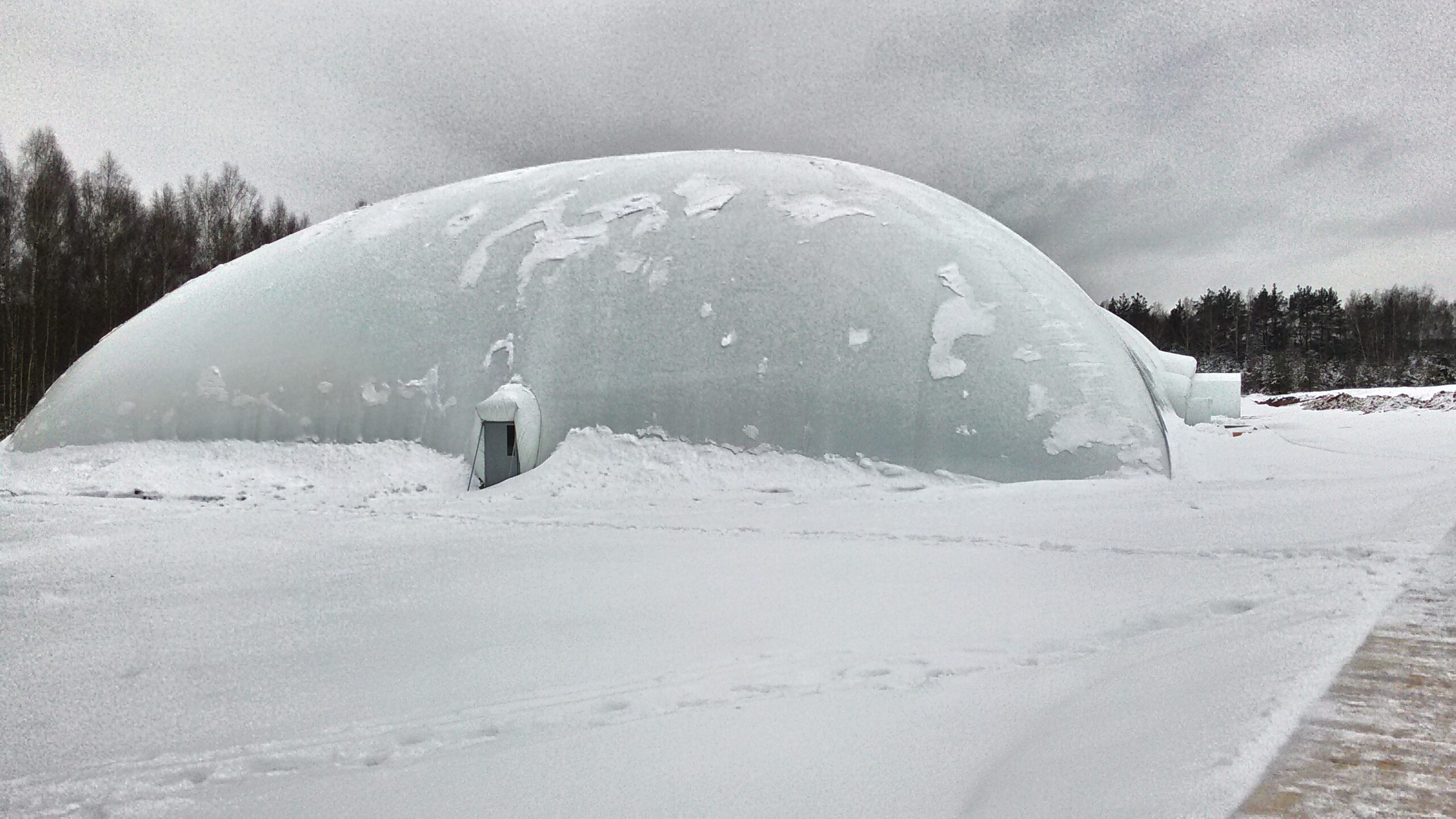
You’re considering a lacrosse training dome, but the decisions ahead aren’t simple. From choosing between an 80′ x 90′ training space versus a full-field setup to steering through the $80,000-$180,000 cost range, each choice impacts your program’s success for years to come. The wrong dome size could limit your training potential, while overlooking key features might leave you frustrated when winter hits. Here’s what separates smart investments from costly mistakes.
Which Lacrosse Dome Size Fits Your Program?
When selecting a lacrosse dome, you’ll need to match the dimensions to your program’s specific requirements and available space.
A full-field lacrosse air dome measures 60′ x 110′ for youth programs, expanding to 110′ x 60′ for men’s competition. These indoor lacrosse facility dimensions require a minimum 35-foot height clearance and accommodate portable goals on turf surfaces.
If you’re operating a training-focused program, consider a 3/4 field lacrosse training dome at 80′ x 90′. This size works well for skill development and drills while reducing construction costs.
Don’t forget essential features like a dedicated wall ball area measuring 20′ x 40′ for individual practice sessions.
Your choice depends on your program’s level, budget constraints, and whether you prioritize full-game scrimmages or intensive skill training sessions.
Full Field vs Training Dome: Making the Right Choice
Your decision between a full field and training dome will shape your program’s capabilities for years to come.
A full field lacrosse bubble accommodates complete game scenarios, scrimmages, and tournaments, making it ideal for established programs with diverse needs.
Training domes excel at skill development, drills, and year-round practice sessions while requiring less space and investment.
Consider these scenarios when choosing your lacrosse bubble:
- Youth programs hosting weekend tournaments with multiple teams rotating through games
- High school teams running full scrimmages against visiting opponents during winter months
- Club organizations focusing on individual skill development and wall ball practice
- Multi-sport facilities maximizing training efficiency with compact, versatile spaces
Your program’s primary goals, available space, and budget constraints will ultimately determine which option delivers the best long-term value.
Must-Have Lacrosse Dome Features for Year-Round Play
Since lacrosse training demands consistent conditions regardless of weather, your dome’s features directly impact player development and safety throughout the year.
You’ll need a minimum 35-foot height clearance to accommodate high passes and shots without interference. Quality turf surfacing provides consistent ball bounce and reduces injury risk compared to temporary solutions.
Portable goals offer flexibility for various drills and field configurations, while a dedicated 20′ x 40′ wall ball area lets players practice individual skills simultaneously with team training.
Proper ventilation systems maintain air quality during intense sessions, and adequate lighting guarantees visibility for evening practices.
Temperature control keeps conditions comfortable year-round, preventing equipment issues and player fatigue.
Energy-efficient insulation reduces operational costs while maintaining consistent internal climate for peak training environments.
Lacrosse Dome Costs: What You’ll Actually Pay
Three primary factors determine your lacrosse dome investment: size, features, and installation complexity.
You’ll spend $150,000-$300,000 for a full-field dome, while training domes cost $80,000-$180,000. These prices include basic turf, lighting, and entry systems.
Your biggest cost variables include:
- Foundation requirements – Concrete pads, drainage systems, and soil preparation can add $30,000-$60,000.
- Climate control systems – Heating and ventilation boost costs by $25,000-$50,000 depending on your region.
- Premium turf upgrades – High-performance surfaces increase expenses by $15,000-$40,000 over standard options.
- Electrical infrastructure – LED lighting systems and power distribution typically run $20,000-$35,000.
Remember that installation, permits, and site preparation often add 25-40% to your base dome price.
Budget accordingly for these essential but overlooked expenses.
Installing Your Lacrosse Dome: Timeline and Process
Installing a lacrosse dome typically takes 4-8 weeks from groundbreaking to first practice, but proper planning starts months earlier.
You’ll need to secure permits, finalize site surveys, and coordinate utilities before construction begins.
Week one involves site preparation and foundation work for your anchor points. The concrete must cure properly before proceeding.
Week two covers installing the dome structure itself – this happens quickly once the foundation’s ready. You’ll see your 110′ x 60′ field take shape rapidly.
Weeks three through four focus on interior work: turf installation, goal setup, and creating your 20′ x 40′ wall ball area.
Electrical systems, lighting, and HVAC integration occur simultaneously.
Final weeks include testing all systems, safety inspections, and addressing any punch-list items before you’re cleared for play.
Leave a Reply