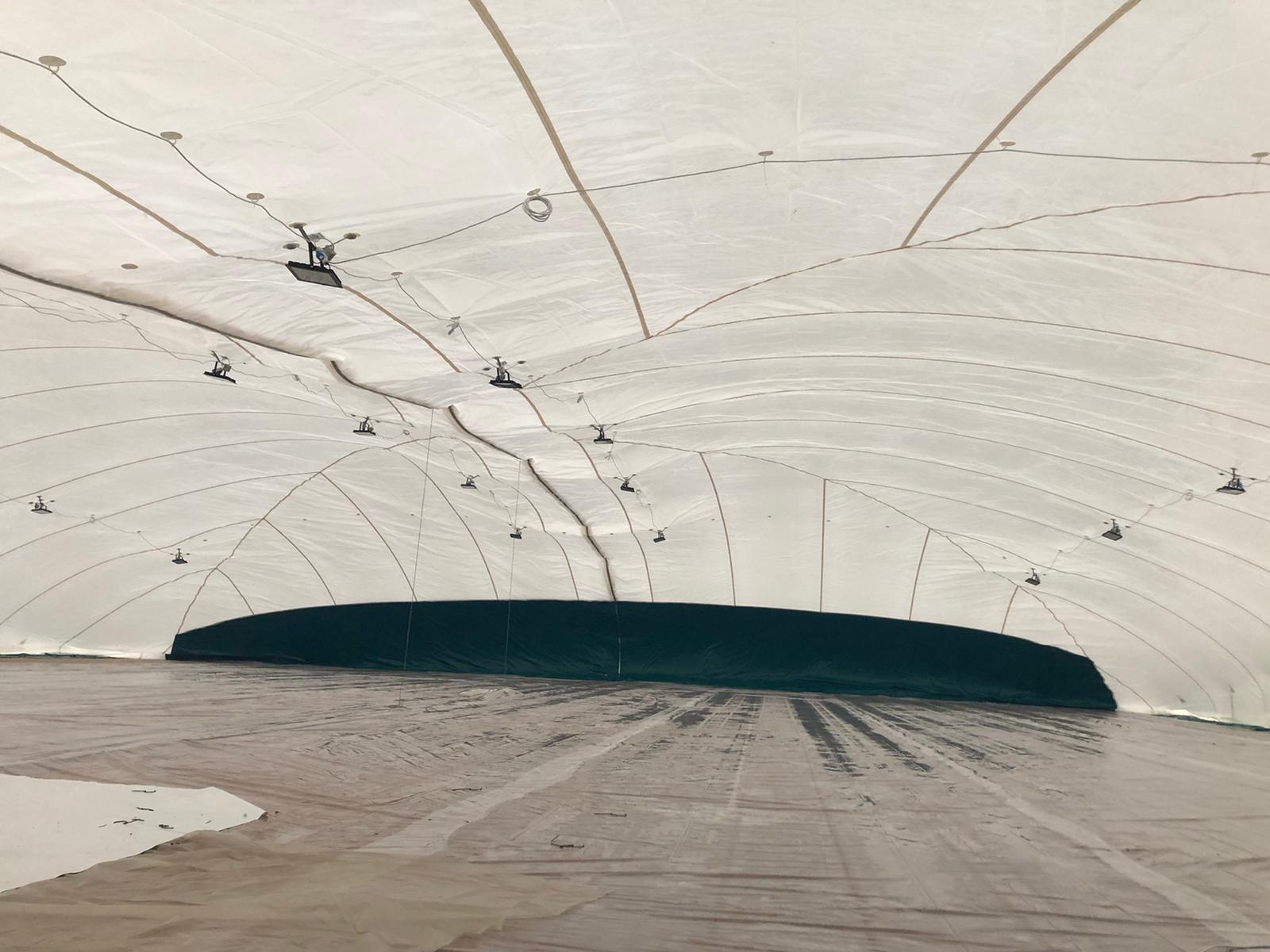
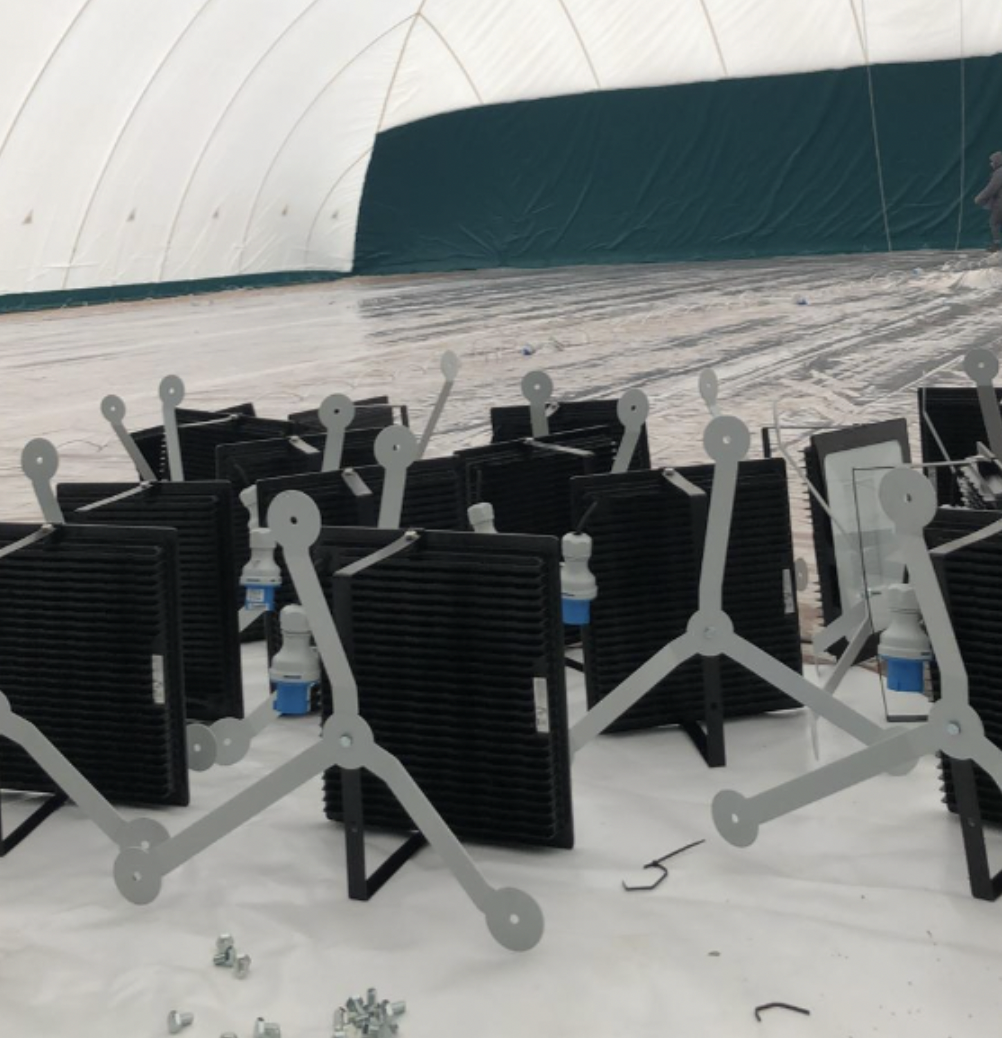
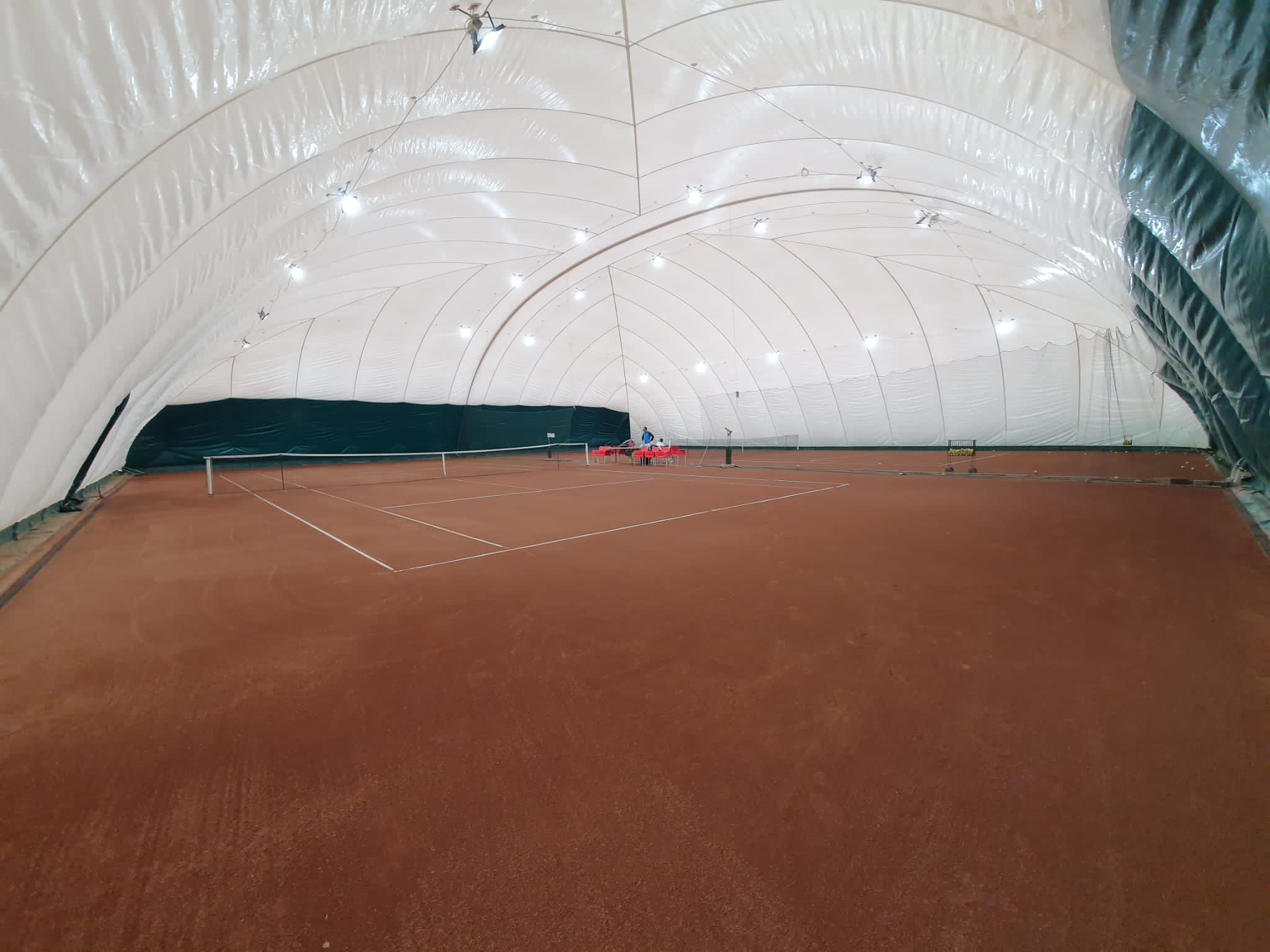
The cost of installing a swimming pool air dome varies based on its size and complexity. Prices range from $164,000 to $632,000, with basic structures costing around $15 per square foot and more complex domes up to $50 per square foot. Use our swimming pool air dome configurator for an instant customized estimate.
Operation and Maintenance
Budget for ongoing maintenance costs between $3 and $6 per square foot annually. This typically totals $60,000 to $80,000 for the winter season. Regular upkeep ensures optimal performance and extends the life of your pool deck, potentially increasing revenue.
Cost Influencers
Facility Size: Larger facilities require more materials and higher installation costs, including surrounding areas like the pool deck and spectator spaces.
Pool Size and Competition Level: Larger, competition-grade pools are more expensive to cover.
Number of Pools: Multiple pools increase material and labor costs.
Climate: Extreme weather may necessitate a more durable dome.
Design and Customization
Consider space for facilities like locker rooms and bleachers. Customize the dome with colors, logos, or projectors for an enhanced experience.
Benefits of Air Domes vs. Other Enclosures
Cost: Air domes are generally cheaper to install and maintain.
Flexibility: Easily removable and retrofitted to existing structures.
Sustainability: Long lifespan (up to 30 years) and energy-efficient.
Minimal Maintenance: Requires less upkeep compared to permanent structures.
Financing Options
Loans, Grants, and Government Funding: Look for local, state, and federal funds available for community improvement projects.
Crowdfunding and Fundraising: Use platforms like Kickstarter or Indiegogo to raise money from the community.
Pool Sponsorship: Seek corporate sponsorships to fund your project.
Get a Cost Estimate Early
Use our swimming pool air dome configurator for an instant customized estimate.
How to Choose the Right Air Dome: A Complete Guide
Air domes are a game-changing solution for sports, events, storage, and industrial applications. But with so many options available, how do you choose the right air dome for your needs?
This guide will walk you through the most important factors to consider when selecting an air dome, ensuring you make an informed decision that fits your budget, space, and long-term goals.
✅ 1. Define Your Purpose
Before diving into technical details, start by identifying how you will use the air dome. Different applications require different features.
Agriculture – Livestock shelters, greenhouses, weather protection for crops
Emergency & Military Use – Disaster relief, field hospitals, rapid deployment shelters
Each use case requires specific size, insulation, and ventilation considerations, so having a clear purpose helps narrow down your options.
✅ 2. Consider Size and Space Requirements
The size of your air dome depends on the following:
Available Land – Measure the total area to ensure the dome fits comfortably
Ceiling Height Needs – Some sports (like soccer or golf) require higher ceilings than others (like tennis)
Capacity – How many people, players, or equipment will be inside at once?
Future Expansion – Will you need to expand or modify the structure later?
Larger domes provide more flexibility but come with higher operational costs, so balancing space and budget is key.
✅ 3. Choose the Right Fabric and Insulation
Air domes are made from durable, high-performance materials, but not all fabrics are the same. Consider:
Standard PVC-Coated Fabric – Strong, weather-resistant, and long-lasting
Insulated Fabrics – Helps regulate temperature and reduce energy costs
Transparent or Translucent Options – Allows natural light inside, reducing the need for artificial lighting
Fire-Retardant Materials – Ensures compliance with safety regulations
If you’re in an extreme climate, selecting the right insulation is critical for keeping heating and cooling costs manageable.
✅ 4. Assess Weather Resistance and Durability
Different locations experience different environmental challenges, so your air dome must be designed to withstand local conditions. Look for:
Wind Load Capacity – Ensure the structure can handle strong winds
Snow Load Tolerance – If you’re in a snowy area, reinforced structures may be necessary
UV & Weather Protection – High-quality coatings help resist sun, rain, and temperature fluctuations
Backup Systems – Power outages can impact pressurization, so emergency systems are crucial
Choosing a dome that meets local building codes ensures long-term durability and safety.
✅ 5. Understand Heating, Cooling, and Ventilation
Climate control is one of the biggest factors affecting operating costs. Consider:
Ventilation Systems – Essential for air circulation and preventing condensation
Heating Options – Gas, electric, or solar-powered heating for cold climates
Cooling Solutions – Air conditioning or evaporative cooling for hot regions
Energy Efficiency – Insulated domes reduce energy consumption and lower costs
A well-designed HVAC system ensures a comfortable indoor environment all year round.
✅ 6. Look at Entrance and Access Options
Air domes require specialized entrances to maintain air pressure. Choose the right access points based on usage:
Revolving Doors – The most energy-efficient for maintaining internal pressure
Airlocks & Vestibules – Prevents sudden pressure loss while allowing easy access
Garage Doors – Needed for vehicle or equipment entry
Emergency Exits – Must meet safety regulations for quick evacuation
The right entrance system ensures smooth traffic flow while keeping the dome stable.
✅ 7. Consider Energy Efficiency and Sustainability
A well-designed air dome can cut operational costs with energy-efficient features. Look for:
LED Lighting – Reduces power consumption and provides even illumination
Solar Power Compatibility – Offsets electricity costs with renewable energy
Smart Climate Control – Automated temperature adjustments for efficiency
High-Performance Insulation – Minimizes heating and cooling expenses
Sustainable features help reduce long-term costs while keeping the dome environmentally friendly.
✅ 8. Evaluate Installation Time and Logistics
Air domes are known for quick installation, but planning is still essential. Consider:
Site Preparation – Some domes need minimal foundations, while others require concrete pads
Permits & Regulations – Local zoning laws and building permits may be required
Installation Time – Typically ranges from a few weeks to a couple of months
Relocation Needs – Some domes can be dismantled and moved easily
Proper planning ensures a smooth installation process without unexpected delays.
✅ 9. Maintenance and Long-Term Costs
Air domes are low-maintenance compared to traditional buildings, but regular upkeep is still required. Check:
Durability of Fabric & Materials – High-quality domes last 20+ years with proper care
Blower & HVAC System Maintenance – Regular checks keep air pressure and temperature stable
Cleaning & Repairs – Patching small tears early prevents costly replacements
Annual Inspections – Ensures safety compliance and peak performance
Investing in a quality dome upfront reduces future maintenance costs and extends lifespan.
✅ 10. Compare Pricing and Financing Options
Budget is always a key factor, but choosing the cheapest option isn’t always the best. When comparing prices, look at:
Initial Purchase Cost – Factors include size, materials, and included systems
Installation Fees – Some providers offer turnkey solutions, while others require separate contractors
Operating Costs – Energy consumption, heating/cooling, and maintenance should be considered
Financing Options – Leasing, sponsorships, and grants can help fund your project
A well-planned budget ensures maximum value without unexpected financial burdens.
Make the Right Choice for Your Air Dome
Choosing the right air dome depends on purpose, size, climate needs, budget, and future expansion plans. By considering these factors, you can invest in an air dome that provides long-term value, durability, and efficiency.
If you’re ready to explore the best air dome for your needs, get in touch today and let’s find the perfect fit for your project!
Tennis and pickleball are popular sports, but outdoor play depends on the weather. Air domes provide a solution for year-round play, shielding players from sun, wind, rain, and snow. They are faster and cheaper to install and maintain than traditional structures, making them a practical choice.
Cost Overview
Installation: Tennis & pickleball domes cost between $100,000 and $2,900,000, including materials, installation, and shipping. Traditional buildings can cost double or triple this amount.
Flexibility: Domes are removable and storable, allowing for seasonal use and creating opportunities for additional revenue by renting out the space.
Key Considerations
Court Size: Standard tennis courts (78 ft x 27 ft) require a surrounding area of 60 ft x 120 ft for safety, totaling 7,200 sq ft. Pickleball courts (20 ft x 44 ft) can fit two per tennis court.
Court Count: Decide the number of courts based on your facility’s needs and safety regulations.
Amenities: Ensure the dome covers bleachers, changing rooms, and toilets.
Primary Users
Identify your target users (e.g., high school students, college athletes, professional players) to determine the dome’s size, court count, and features.
Climate
Air domes are suitable for any climate but are particularly beneficial in cooler areas with shorter outdoor playing seasons.
Beyond Sports
Air domes can be used for events, storage, and commercial purposes. Consider lighting, sound systems, and other features to maximize usage.
Seasonal vs. Permanent Use
Seasonal Use: Store the dome safely when not in use.
Permanent Use: Plan for additional facilities like offices, equipment storage, changing rooms, restrooms, and HVAC systems.
Customization
Personalize your dome with custom colors, designs, logos, and graphics. Ensure line markings for both tennis and pickleball.
Building Community
Air domes foster community by providing a space for sports and events year-round, creating lasting bonds and memories.
Get Started
Use our sports dome configurator for a customized instant estimate and start planning your air dome project today!
Snow management remains a critical concern for dome operators throughout the winter season. It’s essential to have a snow management plan in place well ahead of the winter months. Here are some key steps to ensure your dome is prepared for the snowy season.
Ensure Your Generator is Ready
Blizzards can bring power outages, and without a functioning backup generator, a dome is at risk of deflation. Regularly test your generator to ensure it’s operational, fuelled, and can activate without delay when power loss occurs.
Keep Your Furnace in Top Condition
A well-maintained heating system is crucial. Activate your dome’s furnace prior to the onset of heavy snow. A consistent warm temperature inside the dome is a natural deterrent to snow accumulation, as it encourages snow to slide off the structure.
Strategize Snow Removal
As snow descends the dome’s sides, it accumulates at the base, particularly on the side facing the wind. It’s imperative to clear this buildup promptly to alleviate pressure on the dome’s structure. However, caution is vital—removal equipment, if not carefully handled, can damage the dome’s membrane.
Proactive and thorough snow management is essential to safeguard your dome from the harsh impacts of winter weather. By following these steps, dome owners and operators can minimize the risk of snow-related emergencies and ensure their structures remain safe and functional throughout the season.
Industrial air domes are emerging as revolutionary solutions in the field of industrial infrastructure, offering versatility, efficiency, and cost-effectiveness. These innovative structures are inflatable domes made from durable, weather-resistant materials, designed to meet the diverse needs of various industries.
Key Features and Advantages
Versatility: Industrial air domes are adaptable to multiple uses, including warehousing, manufacturing, equipment testing, and more. Their flexible design allows for quick customization to suit specific industry requirements.
Cost-Effectiveness: Compared to traditional buildings, air domes offer a more economical solution. Their lower construction and maintenance costs make them an attractive option for businesses looking to optimize their investment.
Rapid Deployment: One of the most significant benefits of air domes is their quick installation. These structures can be erected in a fraction of the time required for conventional buildings, ensuring minimal disruption to business operations.
Durability and Safety: Made with robust materials, industrial air domes are designed to withstand harsh weather conditions, providing a safe and secure environment for various industrial activities.
Environmental Benefits: These domes are more environmentally friendly than traditional structures, with less waste and lower energy consumption during construction and operation.
Space Efficiency: The column-free interior of air domes offers maximum space utilization. This feature is particularly beneficial for industries that require large, open areas, such as logistics and manufacturing.
Applications in Various Industries
Warehousing and Logistics: Air domes provide ample space for storage and easy maneuverability for logistics operations.
Manufacturing: They offer a controlled environment for manufacturing processes, accommodating large machinery and assembly lines.
Equipment Testing: In industries where testing is crucial, air domes provide isolated and controlled environments for accurate testing.
Emergency Response: Their quick deployment makes air domes ideal for emergency response and disaster relief operations, providing immediate shelter and operational bases.
Conclusion
Industrial air domes represent a significant advancement in industrial building solutions. Their versatility, cost-effectiveness, and quick deployment make them an increasingly popular choice for businesses looking to enhance operational efficiency while reducing costs. As industries evolve, air domes stand poised to play a crucial role in shaping the future of industrial infrastructure.
Installing an air dome is a streamlined process that transforms your space into a versatile, weather-protected facility. Whether you’re setting up a seasonal or permanent dome, following these steps ensures a smooth installation.
Watch this video to understand the process better:
Step 1: Confirm Site Location
Decide whether your dome will be seasonal or permanent
Check local zoning regulations and municipal requirements
Ensure there is sufficient space for anchoring and mechanical systems
Step 2: Plan Your Budget & Timeline
Estimate total costs, including foundation, infrastructure works, ground prep, and installation
Consider upgrades & accessories like HVAC, premium lighting, and skylights
Understand the production timeline (typically 12–24 weeks from contract signing)
Step 3: Engage an Air Dome Provider
Select an experienced and responsive air dome supplier
Obtain stamped structural drawings for permits and approvals
Decide on mechanical systems (heating, AC, emergency power)
Step 4: Obtain Necessary Permits
Submit engineering plans for permit approval
Ensure compliance with local zoning laws and building codes
Engage a team of A players for professional services (civil engineer, arhitect, general contractor, etc)
Step 5: Construction & Site Preparation
Level the ground and prepare the foundation (grade beam, slab, or anchoring system)
Prepare the interior surface (turf, acrylic, or other materials based on use)
Step 6: Schedule Delivery & Installation
Arrange for transportation, labor, and supervision
Install inflation, heating/cooling, and emergency backup systems
Inflate the dome and secure it to the foundation
Step 7: Prepare for Routine Maintenance
Develop a maintenance & inspection schedule
Stock essential spare parts and tools for quick fixes, like extra lights
Plan for seasonal removal & reinstallation if applicable
Get Started Today!
By following these steps, you ensure a smooth and efficient air dome installation. If you need assistance, HeroX is here to help—contact us today to discuss your project!
An air dome is an essential asset for sports and event spaces, but like any significant investment, it requires timely updates to maintain its efficiency and functionality. Recognizing when to replace an old air dome can be crucial for operational efficiency, safety, and cost-effectiveness. Here are some key indicators:
Material Wear and Tear: The most evident sign of an air dome nearing the end of its useful life is the wear and tear of the material. This includes discoloration, thinning of the fabric, or brittleness, which are clear indicators of material fatigue due to prolonged exposure to environmental elements. Regular inspection for any damage such as rips, holes, or weakened areas is essential to assess the structural integrity of the dome.
Outdated Design: If your air dome has an outdated design characterized by a bulky harness system and extra membranes, it’s probably time to consider an upgrade. Older designs often require a large crew, sometimes up to 40 people, for installation and maintenance, which is not only labor-intensive but also time-consuming and costly. Moreover, these older models are often not energy-efficient, leading to higher operational costs. Newer air dome designs offer streamlined, lightweight structures that are easier and more cost-effective to install and maintain. They often incorporate advanced materials that provide better insulation and UV protection, enhancing energy efficiency significantly.
Energy Inefficiency: Older air domes tend to be less energy-efficient, which can lead to increased costs in maintaining a comfortable and stable internal environment. This is particularly crucial in regions with extreme weather conditions. Modern air domes are designed with energy efficiency in mind, using materials and structural designs that minimize energy consumption for heating or cooling. Upgrading to a newer, more energy-efficient model can result in substantial long-term savings and a reduced environmental footprint.
In summary, if your air dome is showing signs of material wear, has an outdated and inefficient design, or is costing more to maintain a comfortable environment, it may be time to consider replacing it. Upgrading to a modern air dome can enhance user experience, ensure safety, and offer significant operational savings.
Building an air dome with Herox is a streamlined and cost-effective alternative to traditional construction, though it requires specific expertise. Herox collaborates with clients, ensuring they understand each stage of the process, from planning to long-term maintenance.
The development of a dome involves 13 key steps:
(1) Project Site Visits:
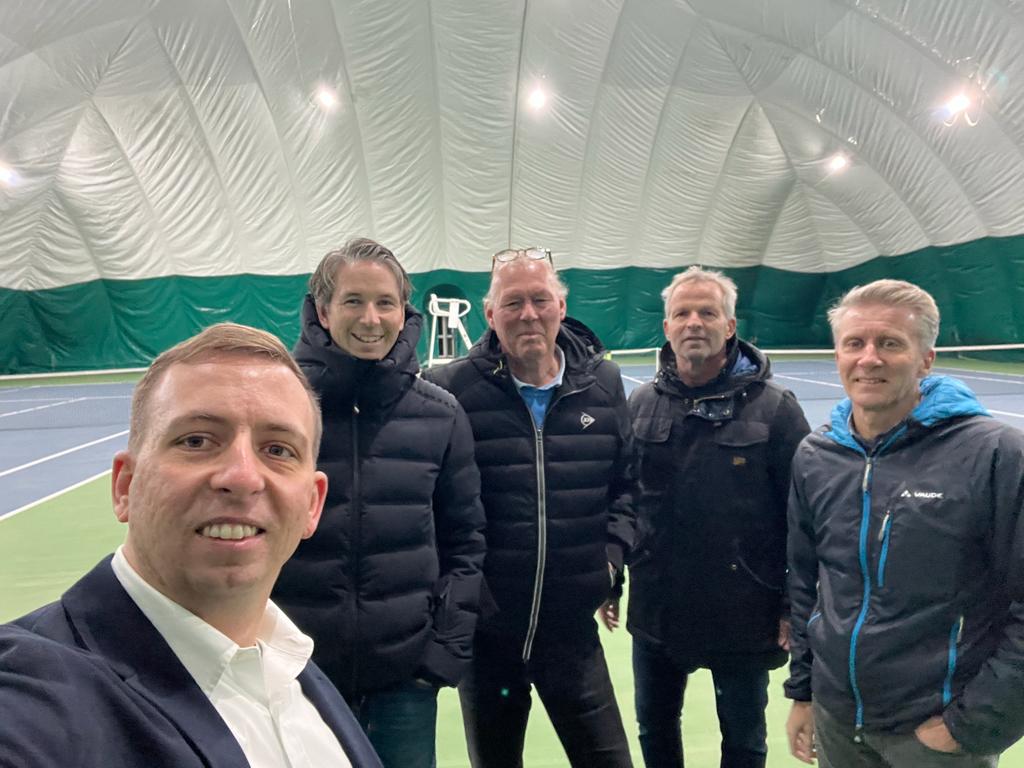
We invite potential clients to visit our previous projects to observe the exceptional quality of our installations. Recognizing the value of experiencing our product in real-world settings, these visits demonstrate the seamless operation and superior setup of our air domes in various clubs and will help the beneficiary in the project design phase.
(2) Project Design:
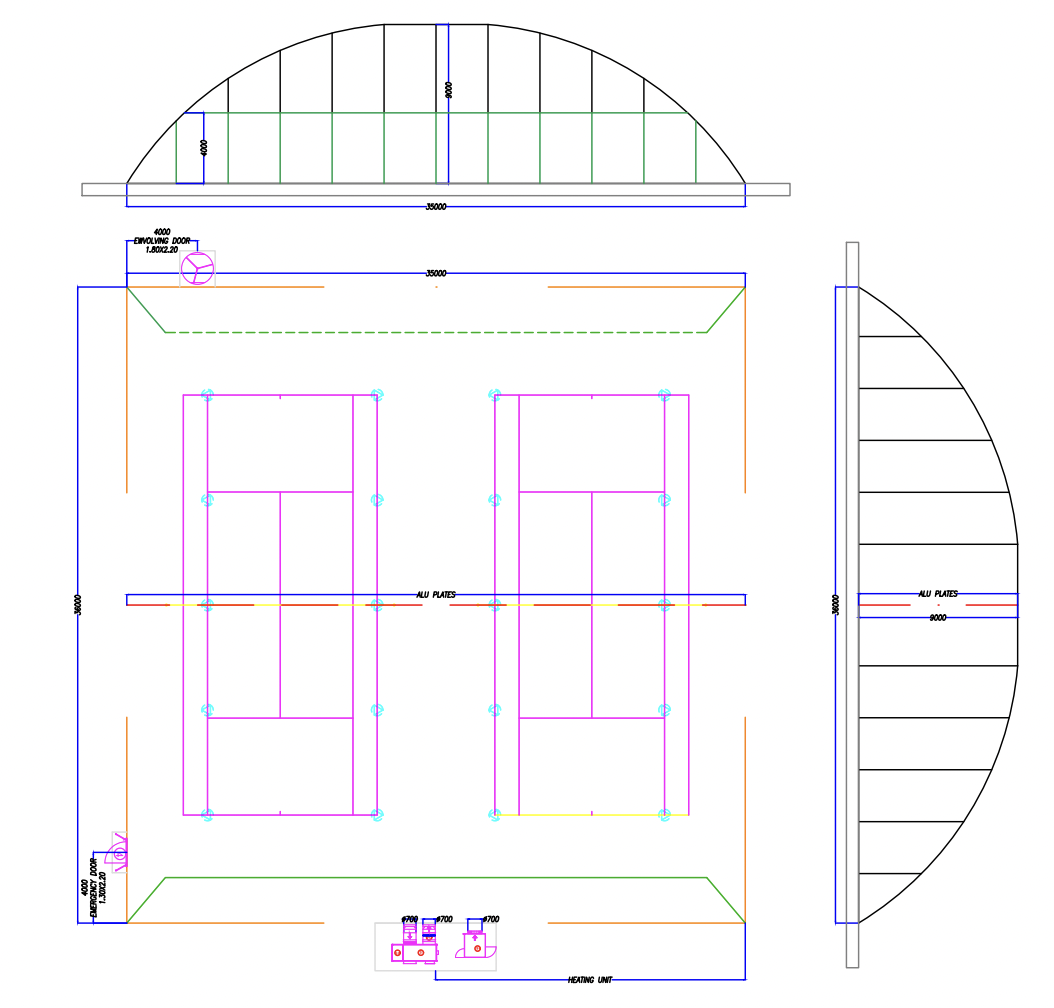
This initial phase involves understanding client needs, dome usage, and financial goals. Herox customizes each dome’s design, clarifying project requirements and working with a team of professionals, including general contractors and architects, for related projects like adjacent buildings and landscaping. This phase typically takes several months, followed by a permitting process that can last up to a year. During this process we create a detailed design of your prospective air dome. This design includes all critical aspects: dimensions, door placements, inflation units, lighting, membrane features, energy efficiency of both the membrane and inflation units. Following the design finalization, our structural engineers complete the drawings and ensure the dome is compliant with the local wind and snow load, paving the way for production and can provide stamped drawings if needed.
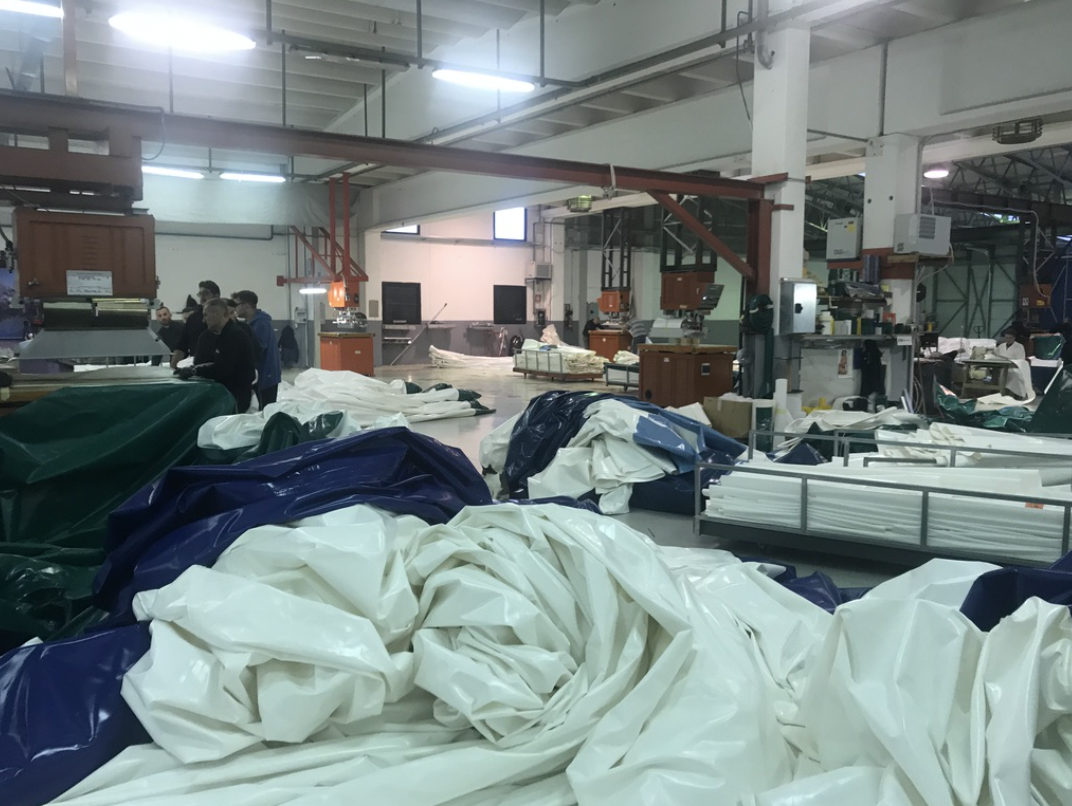
(3) Air Dome Manufacturing: Upon approval of the final design, we commence the manufacturing of the air dome, incorporating all agreed specifications, including accessories, doors, and inflation units.
(4) Site Construction:
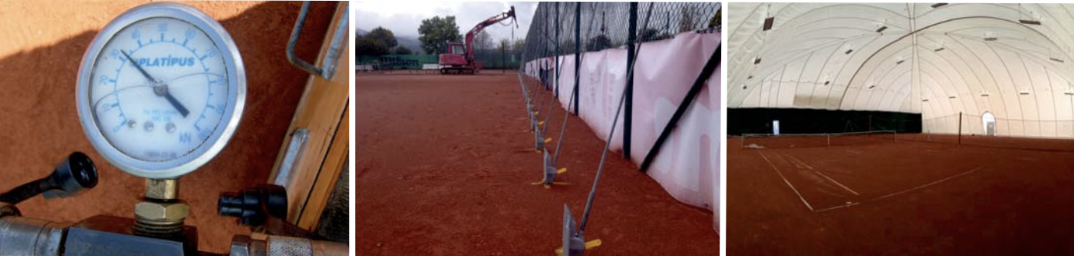
After obtaining permits, the general contractor prepares the site, including building a concrete foundation to anchor the dome. There are 4 major ways of anchoring a dome, Grade Beam, L-profiles, Tubes or Earth Anchors. This phase also involves setting up utilities for inflation, HVAC, and lighting systems, along with site improvements like parking and stormwater management.
(5) Production and Delivery:
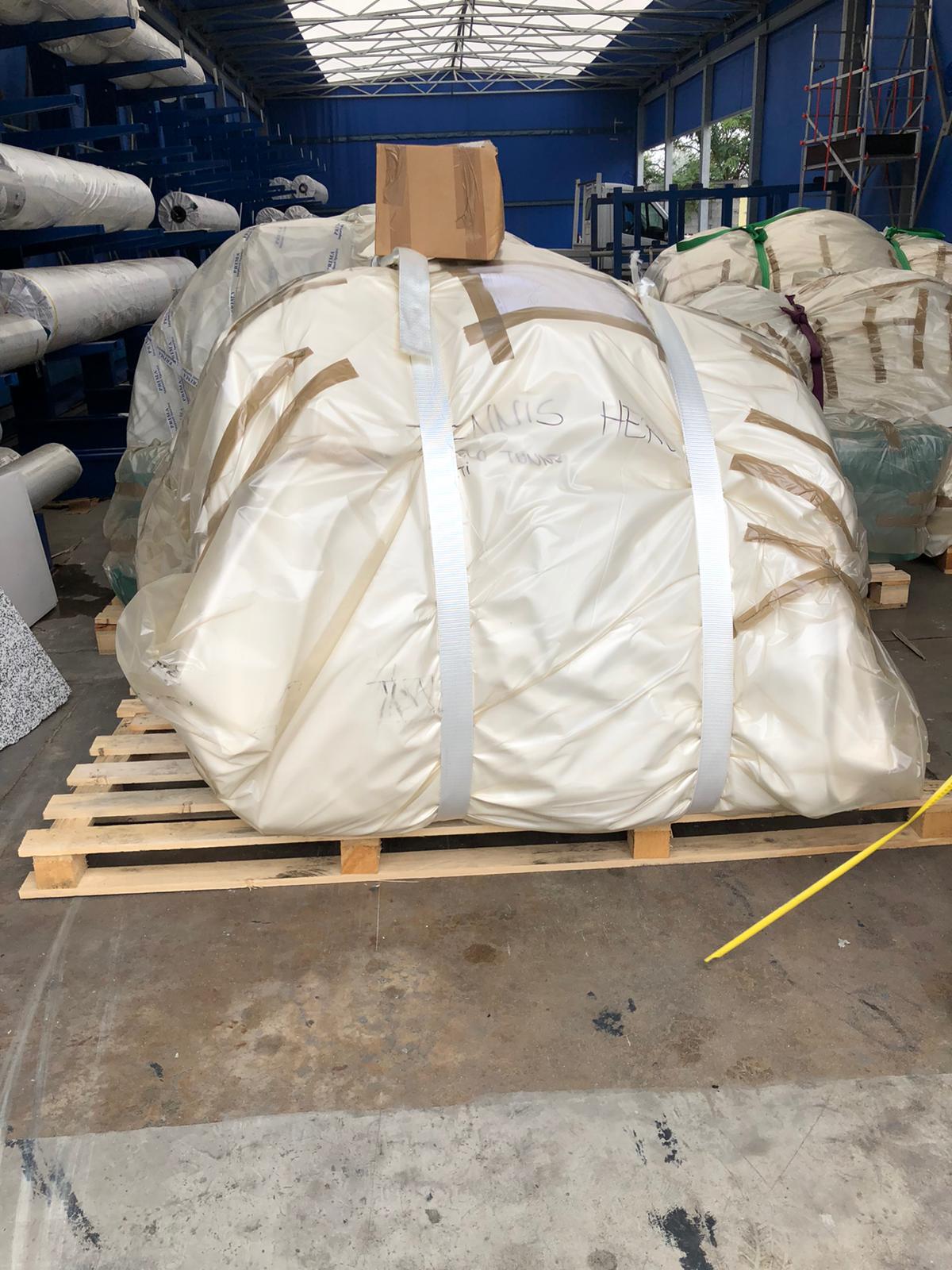
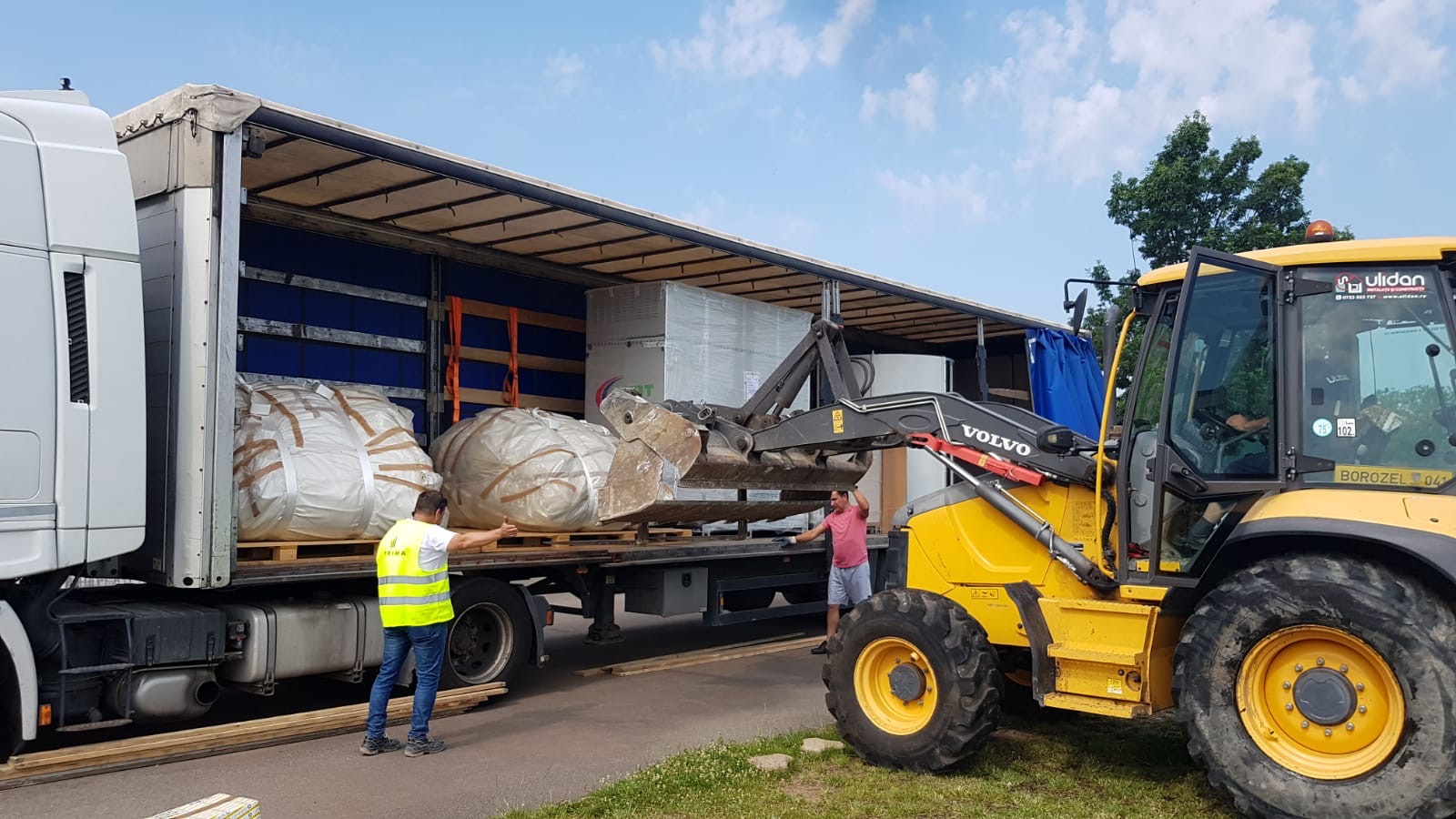
Production timelines range from 1 to 6 months, based on dome size and manufacturing capacity. When production finalises, we arrange transportation to your location.
(6) Unloading and Safety:
Upon arrival, immediate unloading and correct placement of components are crucial. Strategic positioning of the Inflation-Heating System is vital for noise reduction and maintaining distance from residential areas. The journey begins with the delivery of the air dome components. These include the fabric membrane, anchorage system, lighting, HVAC units, and all necessary hardware.
(7) Preparing the Surface:
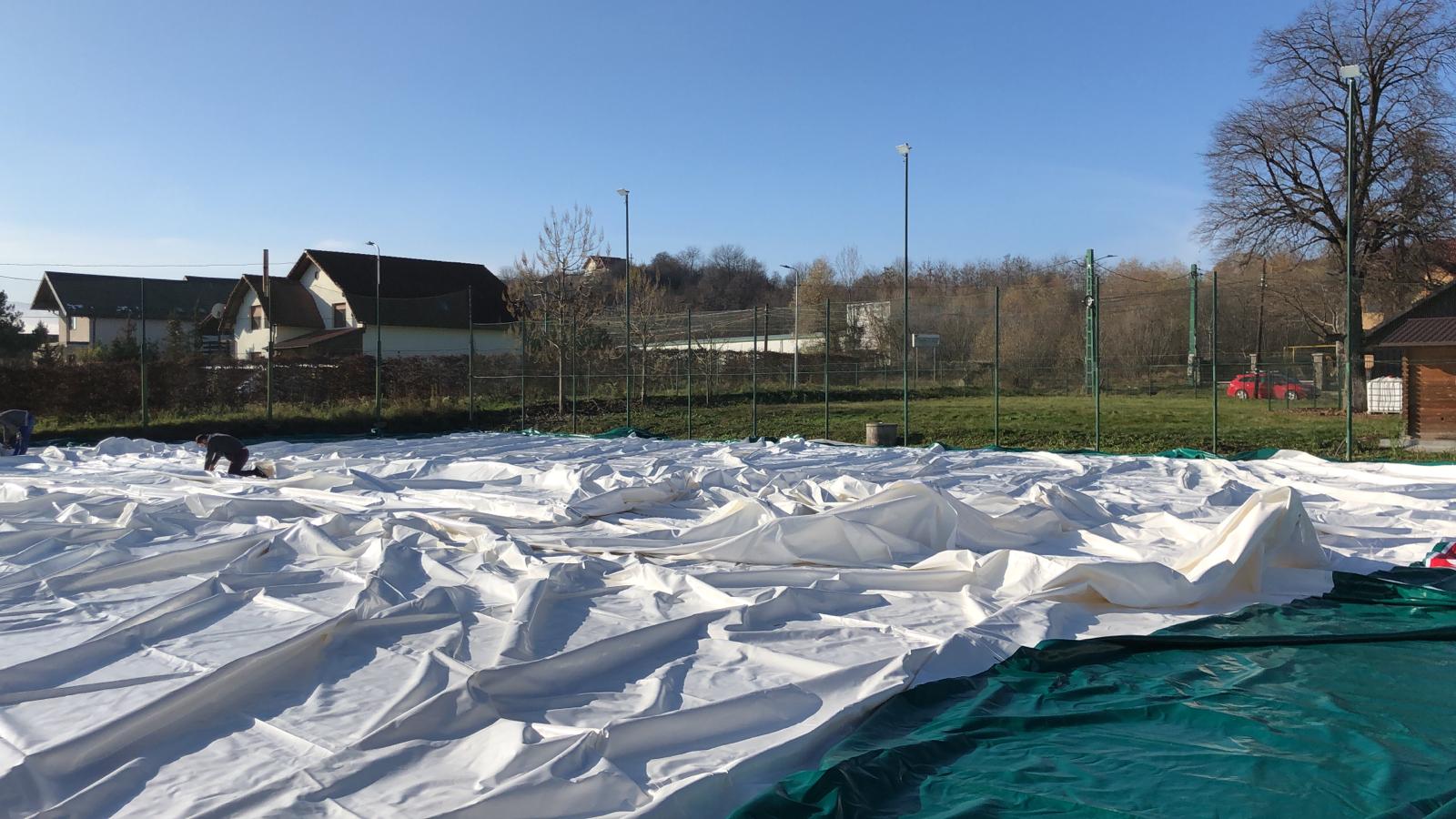
Prior to installation, removal of nets and other obstructions is required. A protective plastic layer is typically placed to safeguard the membrane and protect it from dirt.
(8) Dome Installation:
Herox’s team can provide a tehnician to supervise the installation of the dome or can install turnkey.
(9) Spreading the Membrane:
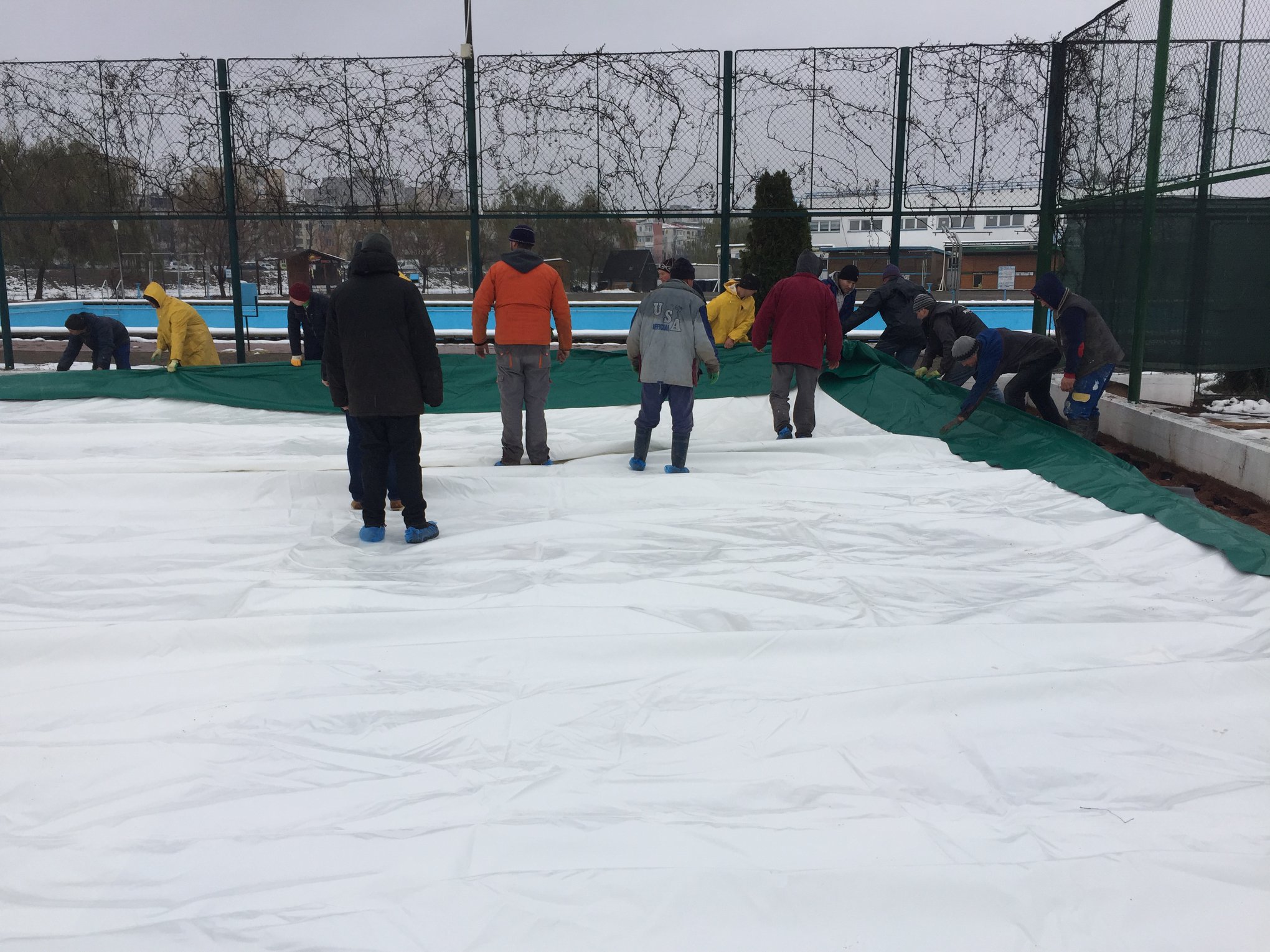
The fabric membrane, the heart of the air dome, is then carefully unrolled and positioned.
(10) Connecting the Membrane to the Anchorage System:
Accurate alignment and connection of the membrane to the anchorage system is crucial for dome stability. In this step the membrane parts are connected to one another and the membrane is connected to the anchorage system and doors.
(11) Inflating the Dome:
Post-anchoring, the inflation process begins. It is imperative to ensure the availability of triphase power and gas connections for the inflation and heating unit.
(12) Installing Lights:
Concurrent with inflation or after the inflation has finalised, the lighting system is integrated into the dome.
(13) Enjoying Your State-of-the-Art Facility:
The final step is the most rewarding – enjoying your new, state-of-the-art air dome facility. Whether it’s for sports, events, or any other purpose, the air dome offers a weather-resistant, versatile space. Its installation marks the beginning of a new range of possibilities, from hosting year-round sporting events to providing a unique venue for community gatherings.
Conclusion:
The installation of an air dome is a seamless process that leads to the creation of a dynamic and adaptable space. By following these steps – from receiving the delivery to the final enjoyment of the facility – owners can ensure a successful and efficient installation, paving the way for endless opportunities in their new, innovative space.
Church domes, a prominent feature in religious architecture, hold significant value both culturally and architecturally. These domes, transcending mere structural elements, symbolize the spiritual aspirations of humanity, reaching towards the heavens. Their historical and contemporary significance is evident in various religious traditions, reflecting a blend of aesthetic beauty, symbolic meaning, and engineering prowess.
Architecturally, church domes are marvels. They represent a culmination of complex engineering and artistic mastery. Historically, the construction of a dome was a testament to a community’s or a patron’s devotion and resources, often pushing the boundaries of contemporary architectural knowledge. In modern times, they continue to blend traditional designs with new materials and technologies, showcasing a continuity of faith and innovation. The dome’s structure, often placed atop a square base, necessitates sophisticated engineering solutions to support its weight and distribute it evenly. This architectural achievement is not just functional but also serves as a visual focal point, drawing the eyes upwards, symbolizing the ascent to the divine.
The aesthetic value of church domes is unparalleled. Often adorned with intricate artwork, mosaics, or frescoes, these domes are not just structures but canvases that tell stories. They depict religious narratives, celestial scenes, or important figures, serving as a visual catechism for the faithful. The interior decoration of a dome often plays with light and space, creating an atmosphere of awe and reverence, an essential element in religious architecture.
Symbolically, domes hold profound religious significance. They represent the heavens, the universe, or the dome of creation in various religious traditions. This symbolism is deeply rooted in the psyche of the faithful, making the dome a powerful reminder of the spiritual world and the presence of the divine in the physical realm. In many churches, the central position of the dome over the altar or the nave signifies the importance of the divine in the center of communal worship and religious life.
Furthermore, church domes contribute significantly to cultural and historical heritage. They are landmarks in their communities, often defining the skyline of cities and towns. As part of the architectural heritage, they connect present communities with their past, telling stories of faith, art, and history. This aspect makes them valuable not just to the faithful but also to historians, artists, and tourists, contributing to cultural understanding and appreciation.
In conclusion, church domes are much more than architectural elements. They are embodiments of human faith, artistic expression, and architectural ingenuity. Through their grandeur, beauty, and symbolism, they continue to inspire, educate, and connect communities, transcending time and cultural barriers. As living monuments of faith and creativity, they hold a special place in the landscape of human achievement and spiritual expression.
At HeroX, we believe in providing more than just an air dome—we offer a complete community experience to help you operate, maintain, and maximize the value of your investment. From exclusive perks to expert guidance, we ensure your air dome project runs smoothly every step of the way.
Perks Before You Buy (All Free with Your Dome Purchase!)
We offer these complimentary services to help you plan and visualize your dome project before making a purchase:
Book a Virtual Meeting – Complimentary Schedule a one-on-one consultation with our experts to discuss your dome, ask questions, and explore customization options.
Visit One of Our Domes – Complimentary ️ Attend a monthly site visit to experience a HeroX dome in action and gain firsthand insights into its functionality and quality.
Get a Custom Dome Sketch ✏️ Receive a concept sketch based on your project specifications to help visualize the setup.
Receive 3D Renders of Your Future Dome See high-quality 3D renders of your dome to help with planning and presentation.
Experience a Virtual Tour of Your Dome Step inside your dome before it’s built with a fully interactive virtual tour.
On-Site Technician Visit Have an expert assess your site, discuss foundation options, and ensure seamless installation.
Introduction to Dome Consultants Need professional project management? We connect you with TheDomeConsultant.com, experts in air dome planning and execution.
Introduction to 3rd-Party Suppliers Save on project costs by gaining access to trusted suppliers for turf, flooring, lighting, and other essential accessories.
Community Perks After You Buy
When you purchase an air dome from us, you gain access to exclusive benefits designed to assist with operation, maintenance, and business growth:
Priority Customer Support: Direct access to priority support for urgent inquiries and troubleshooting.
Dome Maintenance Package: Seasonal maintenance checklist and discounted technician visits to keep your dome in top shape.
Energy Efficiency Consultation: Expert advice on reducing operational costs and optimizing HVAC efficiency.
Discounts on Upgrades & Accessories: 10-20% off on lighting, flooring, turf, and other dome enhancements.
Marketing Assistance for Dome Operators: Free promotional listing on our website and a feature on HeroX social media.
Referral Bonus Program: Earn cash incentives or future purchase discounts for referring new clients.
Exclusive Industry Networking Events: Invitations to private events connecting you with sports clubs, investors, and suppliers.
We’re Here to Support You
At HeroX, we are committed to being flexible, responsive, and involved in your dome project. Whether you need assistance with design, project management, or cost-saving solutions, we’re here to help.
Let’s bring your air dome project to life! Get started today!