Category: Uncategorized

  • Baseball Domes

    Baseball domes, also known as domed stadiums, have revolutionized the world of sports architecture, offering a unique blend of functionality, fan experience, and technological innovation. These structures have transformed the way baseball is played and experienced, ensuring the game thrives regardless of external weather conditions and setting new standards in spectator comfort and engagement.

    At the heart of the value of baseball domes is their ability to provide a controlled environment for playing baseball. Traditional outdoor stadiums are at the mercy of the elements, with games often delayed or canceled due to rain, snow, or extreme temperatures. Baseball domes eliminate these interruptions, ensuring games can be scheduled and played with greater certainty and consistency. This reliability is not only beneficial for players and teams who can maintain regular training and playing routines but also for fans who can plan their attendance without the risk of weather-related cancellations.

    From a fan’s perspective, baseball domes offer an enhanced experience. These modern structures are designed with spectator comfort in mind, featuring climate control for a pleasant viewing environment regardless of the season. They often incorporate state-of-the-art amenities, such as high-quality seating, expansive concession areas, and advanced audio-visual systems, making the game-watching experience more enjoyable and immersive. The controlled environment also allows for a more predictable and consistent playing field, potentially leading to a higher quality of play.

    Technologically, baseball domes represent a significant architectural and engineering achievement. The design and construction of a large-scale, enclosed stadium require innovative solutions to challenges such as climate control, lighting, and acoustics. The retractable roof feature, found in some domes, is a marvel of engineering, allowing the stadium to switch between an open-air and an enclosed environment. This flexibility enhances the utility of the venue, making it suitable for a variety of events beyond baseball, such as concerts, conventions, and other sports.

    Baseball domes also contribute to the economic vitality of their communities. By hosting games and events year-round, they attract consistent crowds, boosting local businesses and tourism. Their architectural presence often becomes a landmark, adding to the city’s identity and pride.

    In conclusion, baseball domes are much more than mere sporting venues. They are hubs of community activity, architectural wonders, and catalysts for economic growth. By providing reliable, comfortable, and technologically advanced environments for enjoying America’s pastime, these domes have not only changed the game of baseball but have also become integral parts of the communities they serve, enhancing the cultural and economic landscape.
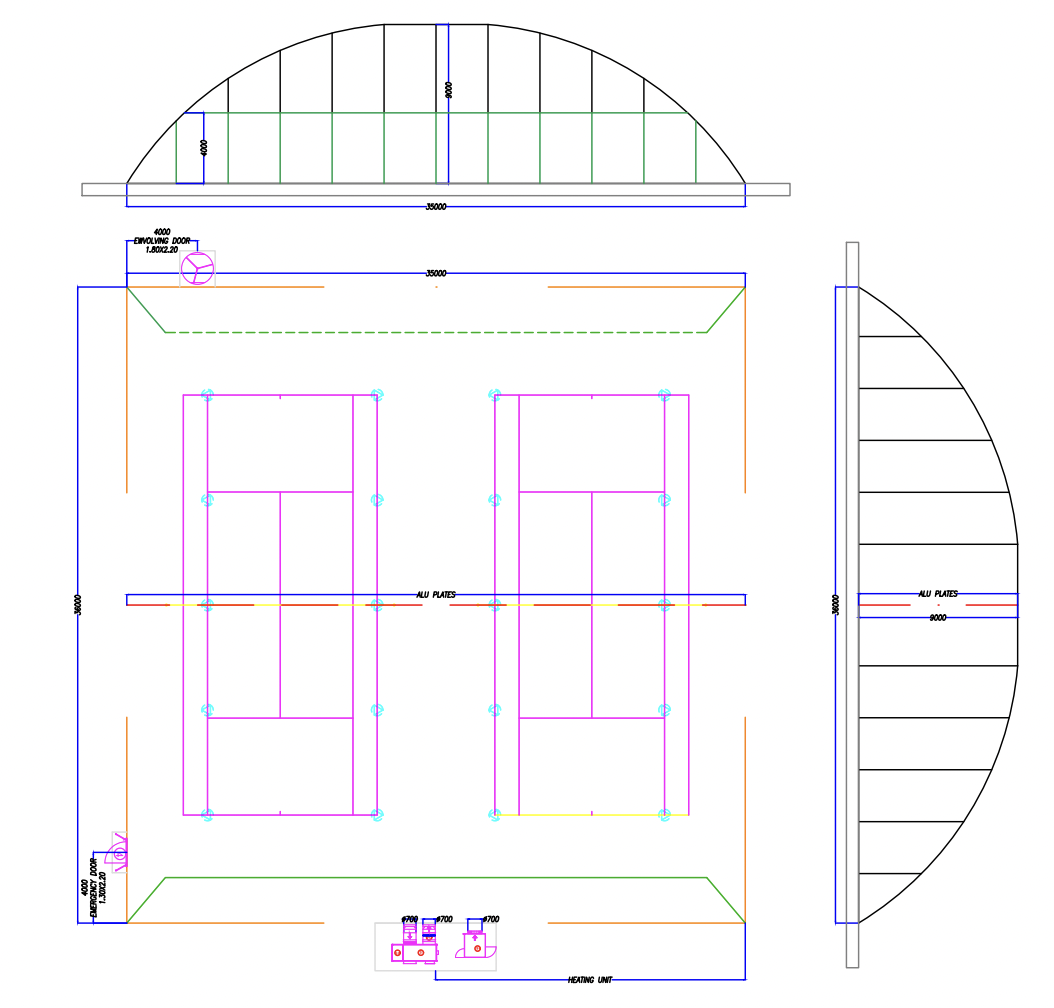
  • Baseball and Softball Air Dome Design

    Why Choose an Air Dome?

    Air domes provide excellent protection against the elements, allowing baseball and softball activities to continue year-round. They are cost-effective, quick to install, and offer flexibility for various uses.

    Benefits of Air Domes

    1. Quick Installation: Air domes can be set up in days or weeks, unlike permanent structures.
    2. Cost-Effective: Lower initial and maintenance costs compared to permanent facilities.
    3. Weather Protection: Shields against rain, snow, wind, dust, and extreme heat, making it suitable for all climates.

    Key Design Considerations

    Size

    • Field Size: Determine the dome’s width, length, and height based on the level of competition.
      • Professional/College: 90 ft base paths, 325 ft foul lines, 400 ft home run fence, 120,000 sq ft area.
      • High School: 90 ft base paths, 300 ft foul lines, 350 ft home run fence, 105,000 sq ft area.
      • Little League: 60 ft base paths, 205 ft foul lines, 215 ft home run fence, 40,000 sq ft area.
      • Softball: 60 ft base paths, 190 ft foul lines, 220 ft home run fence, 32,000 sq ft area.
    • Height: Typically 30% of the dome’s width (e.g., a 320 ft wide dome will be 96 ft high).

    Competition Level

    • Professional & College: Requires high-quality materials, TV-quality lighting, robust sound systems, and professional-grade playing surfaces.
    • High School: Quality playing surface and lighting, but fewer seats and a less extensive sound system.
    • Training & Recreational Play: Basic dome with good lighting and playing surfaces, minimal spectator space.

    Batting Cages

    • Consider including space for batting cages:
      • Single Cage: 70 ft x 14 ft x 12 ft (980 sq ft).
      • Multiple Cages: Adjust total area accordingly (e.g., 4 cages = 3,920 sq ft).

    Amenities

    • Essential: Concessions, restrooms, locker rooms, storage, offices, and first aid rooms.
    • Optional: Advanced lighting, sound systems, and customized branding.

    Customization

    • Design: Choose the size, shape, and color. Add features like windows, doors, and insulation.
    • Branding: Print logos and customize colors to match your branding for a professional look.

    Profitability

    • Increased Revenue: More games, fewer rainouts, and high-quality amenities attract more users.
    • Diverse Uses: Rent the facility for events like expos, car shows, trade fairs, and festivals.
    • Year-Round Use: Generate revenue beyond the traditional sports season.

    Getting Started

    Choosing an air dome for your baseball or softball facility offers numerous benefits, from weather protection to increased revenue potential. For help with your project, visit our air dome configurator for an instant estimate.

  • Benefits of air domes

    Air domes are transforming the way we think about indoor spaces. Whether you’re a sports club, an event organizer, a business, or a municipality, air domes offer an efficient, cost-effective, and versatile alternative to traditional buildings. But what exactly are air domes, and why are they becoming so popular?

    Let’s dive into the top benefits of air domes and why they might be the perfect solution for your needs.

    ️ What Is an Air Dome?

    An air dome (also called an inflatable dome or air-supported structure) is a lightweight, pressurized structure made of durable fabric, kept upright by a controlled airflow system. Unlike traditional buildings, air domes don’t require columns or beams, creating huge open spaces perfect for sports, events, storage, and more.

    ✅ Key Benefits of Air Domes

    1️⃣ Cost-Effective Compared to Traditional Buildings

    • Lower Construction Costs – A fraction of the price of steel or concrete buildings
    • Quick Installation – Can be set up in weeks instead of months
    • Minimal Foundation Requirements – Saves money on groundwork
    • Lower Maintenance Costs – Durable materials require little upkeep

    2️⃣ Flexible & Multi-Purpose Use

    • Sports & Recreation – Perfect for tennis, soccer, swimming pools, basketball, and more
    • Events & Exhibitions – Temporary or permanent event spaces
    • Industrial & Storage – Warehouses, logistics centers, and emergency shelters
    • Agriculture – Protect crops and livestock from harsh weather
    • Disaster Relief & Military – Quick-deploy structures for emergencies

    3️⃣ Year-Round Weather Protection

    • Resistant to Snow, Rain, and Wind – Engineered to handle extreme weather
    • Temperature Control – Can be heated in winter and cooled in summer
    • UV Protection – Shields users from harmful sun exposure

    4️⃣ Energy-Efficient & Eco-Friendly

    • Lower Energy Costs – Advanced insulation reduces heating & cooling expenses
    • Solar Panel Compatibility – Can be equipped with solar energy solutions
    • LED Lighting – Maximizes efficiency and minimizes power usage
    • Sustainable Materials – Made from recyclable, long-lasting fabrics

    5️⃣ Fast Installation & Easy Relocation

    • Installation in Weeks – No long construction delays
    • Temporary or Permanent – Can be set up for a season or stay for decades
    • Portable – Can be dismantled and moved to a new location

    6️⃣ Low Maintenance & High Durability

    • Tear-Resistant & Weatherproof Fabrics – Built to last
    • Automatic Backup Systems – Ensures stability during power outages
    • Minimal Repairs Required – Unlike steel or brick buildings that require constant upkeep

    7️⃣ Better Playing Experience for Athletes

    • Consistent Conditions – No wind, rain, or temperature fluctuations
    • Even Lighting – No harsh shadows or blinding sun
    • High Ceilings & Open Space – Ideal for all types of sports

    8️⃣ Customizable to Fit Any Needs

    • Different Sizes & Shapes – From small domes to massive multi-sport complexes
    • Branding & Advertising – Logos, sponsorships, and colors can be added
    • Custom Entrances & Amenities – Doors, HVAC, seating, and more can be tailored

    Why Air Domes Are the Future

    Air domes are revolutionizing sports, business, and events by providing a cost-effective, flexible, and energy-efficient solution. With their ability to adapt to different industries, withstand extreme weather, and offer an incredible user experience, air domes are an investment that pays off in the long run.

    Considering an air dome? Whether you need a permanent sports facility, a temporary event space, or a weather-proof industrial solution, air domes deliver unmatched benefits at a fraction of the cost of traditional buildings.

    If you’re interested in learning more or getting a quote for your own air dome, contact us today!

  • Building Your Dome 101

    Building an air dome with Herox is a streamlined and cost-effective alternative to traditional construction, though it requires specific expertise. Herox collaborates with clients, ensuring they understand each stage of the process, from planning to long-term maintenance.

    The development of a dome involves 13 key steps:

    (1) Project Site Visits:

    We invite potential clients to visit our previous projects to observe the exceptional quality of our installations. Recognizing the value of experiencing our product in real-world settings, these visits demonstrate the seamless operation and superior setup of our air domes in various clubs and will help the beneficiary in the project design phase.

    (2) Project Design:

    This initial phase involves understanding client needs, dome usage, and financial goals. Herox customizes each dome’s design, clarifying project requirements and working with a team of professionals, including general contractors and architects, for related projects like adjacent buildings and landscaping. This phase typically takes several months, followed by a permitting process that can last up to a year. During this process we create a detailed design of your prospective air dome. This design includes all critical aspects: dimensions, door placements, inflation units, lighting, membrane features, energy efficiency of both the membrane and inflation units. Following the design finalization, our structural engineers complete the drawings and ensure the dome is compliant with the local wind and snow load, paving the way for production and can provide stamped drawings if needed.

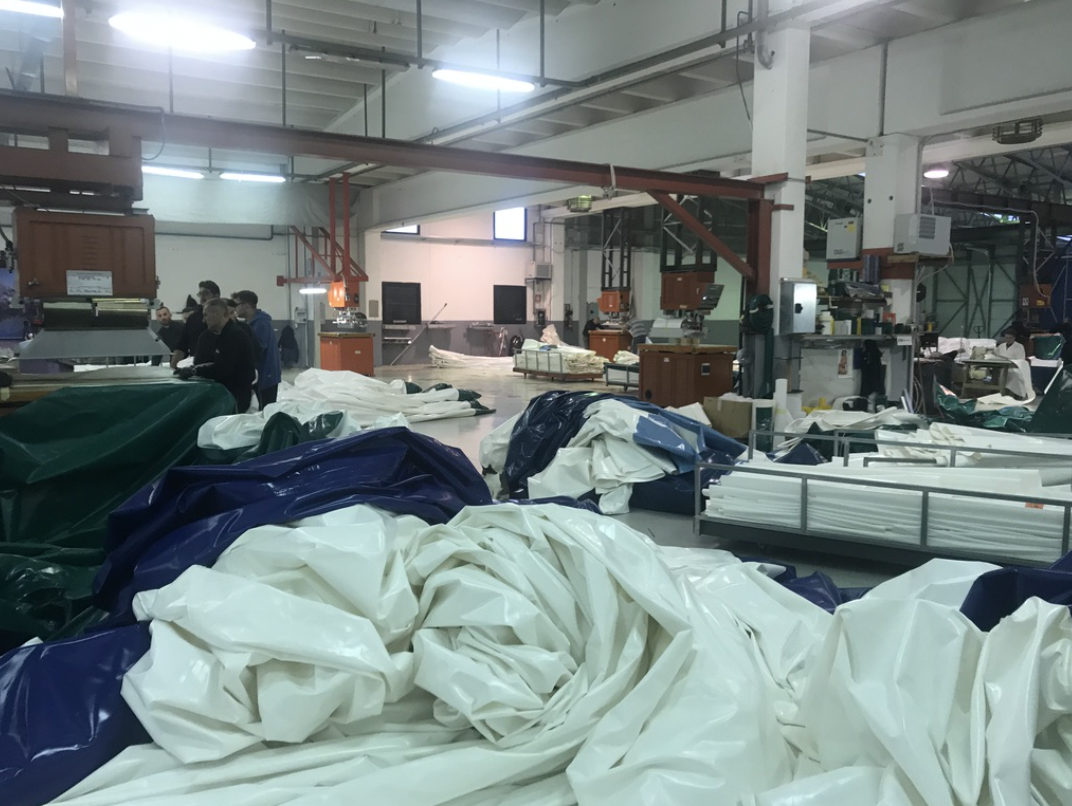
    (3) Air Dome Manufacturing:
    Upon approval of the final design, we commence the manufacturing of the air dome, incorporating all agreed specifications, including accessories, doors, and inflation units.

    (4) Site Construction:

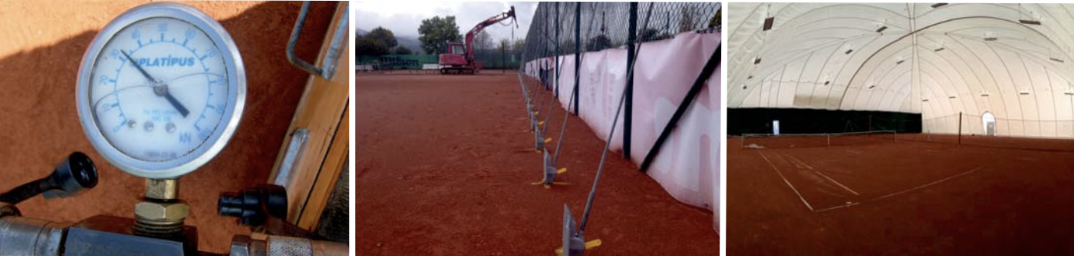
    After obtaining permits, the general contractor prepares the site, including building a concrete foundation to anchor the dome. There are 4 major ways of anchoring a dome, Grade Beam, L-profiles, Tubes or Earth Anchors. This phase also involves setting up utilities for inflation, HVAC, and lighting systems, along with site improvements like parking and stormwater management.

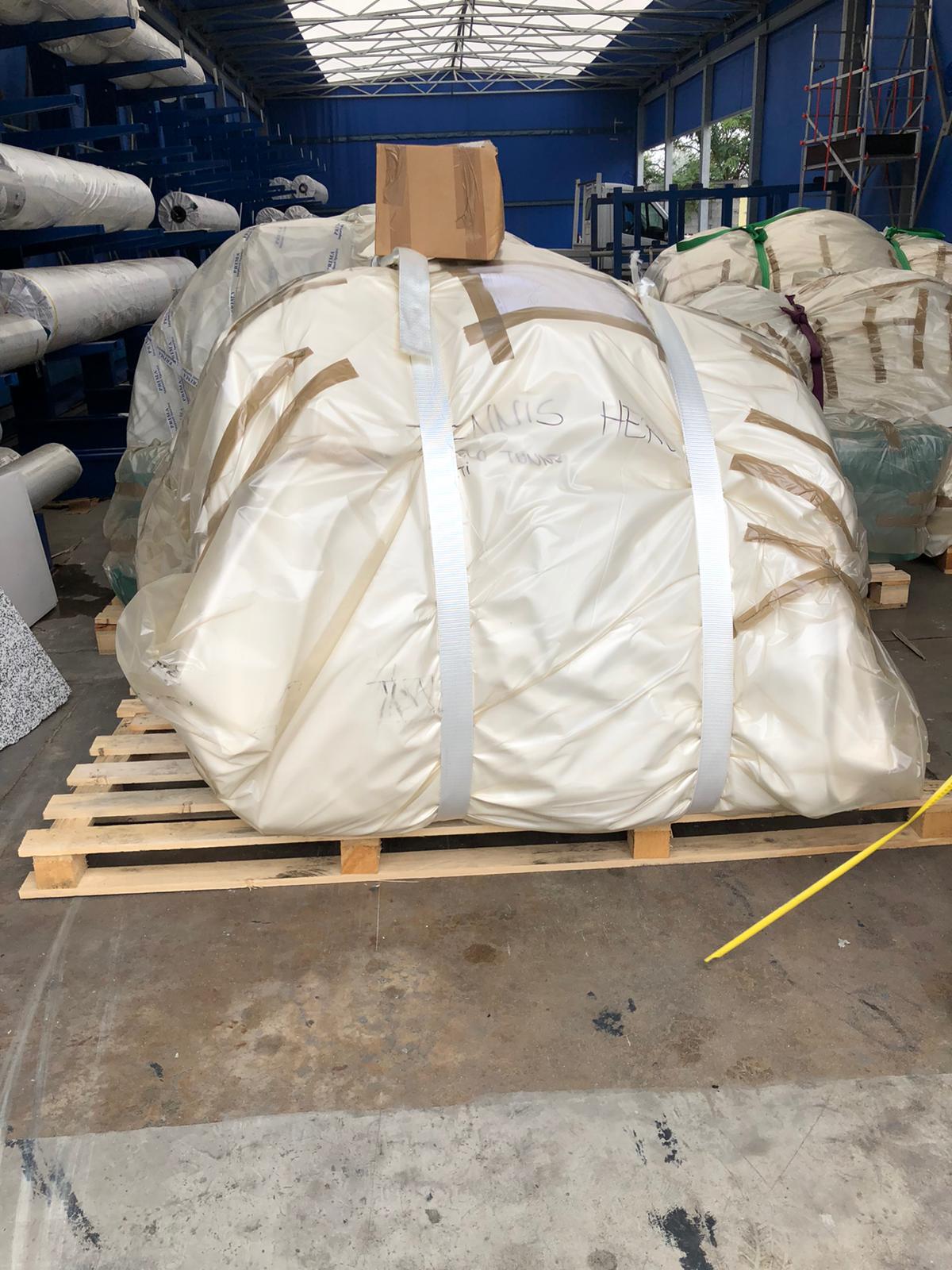
    (5) Production and Delivery:

    Production timelines range from 1 to 6 months, based on dome size and manufacturing capacity. When production finalises, we arrange transportation to your location.

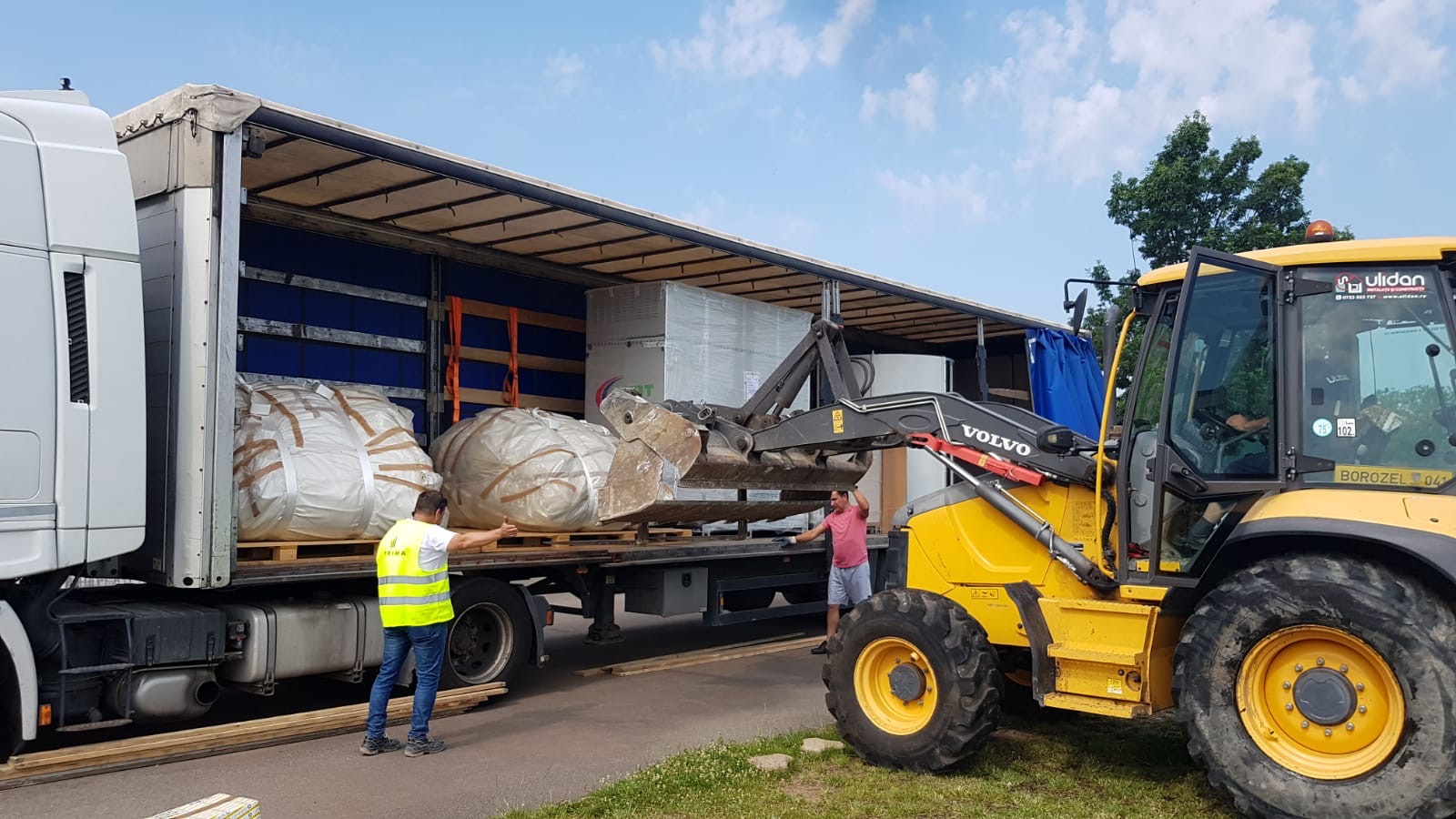
    (6) Unloading and Safety:

    Upon arrival, immediate unloading and correct placement of components are crucial. Strategic positioning of the Inflation-Heating System is vital for noise reduction and maintaining distance from residential areas. The journey begins with the delivery of the air dome components. These include the fabric membrane, anchorage system, lighting, HVAC units, and all necessary hardware.

    (7) Preparing the Surface:

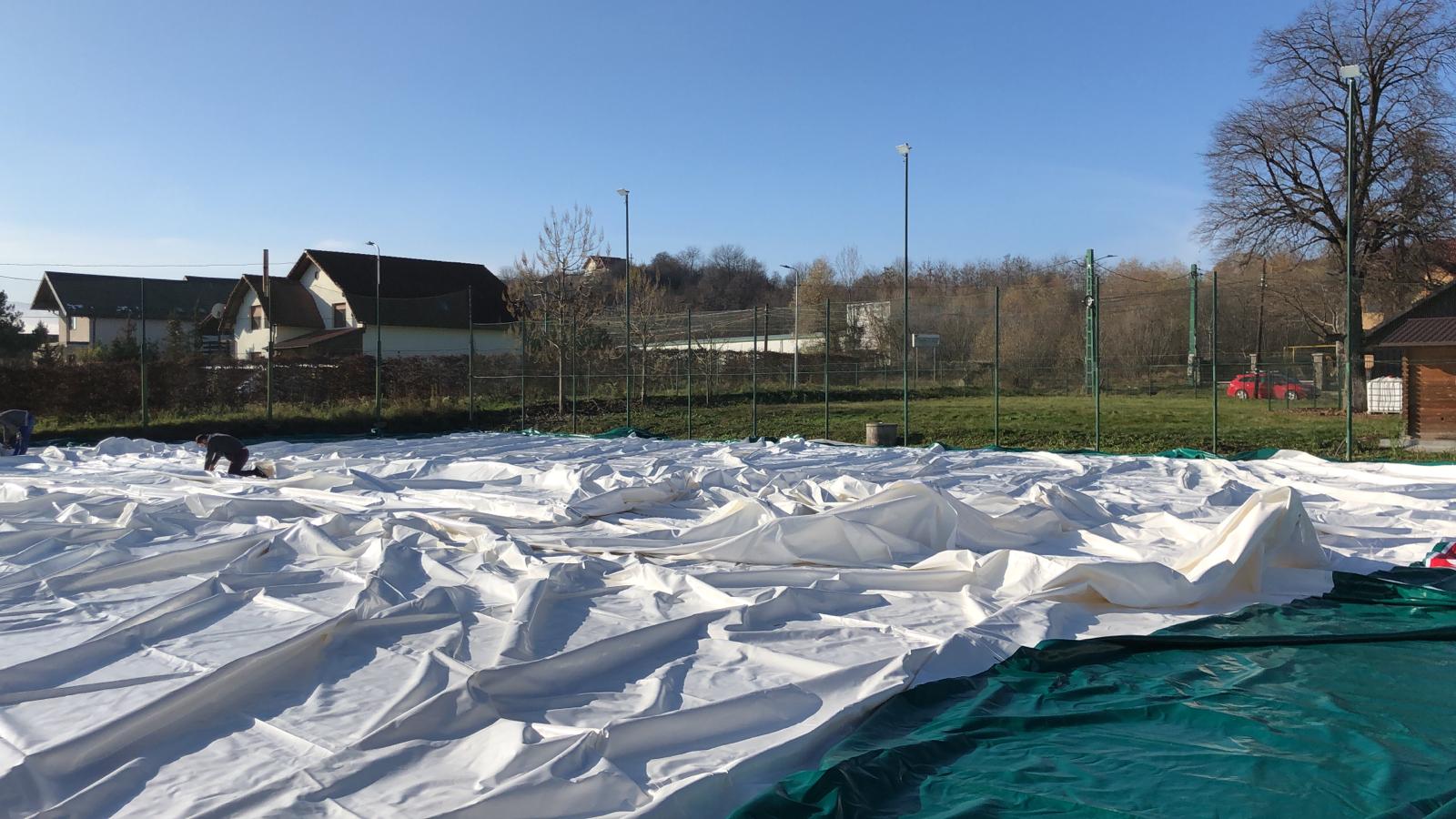
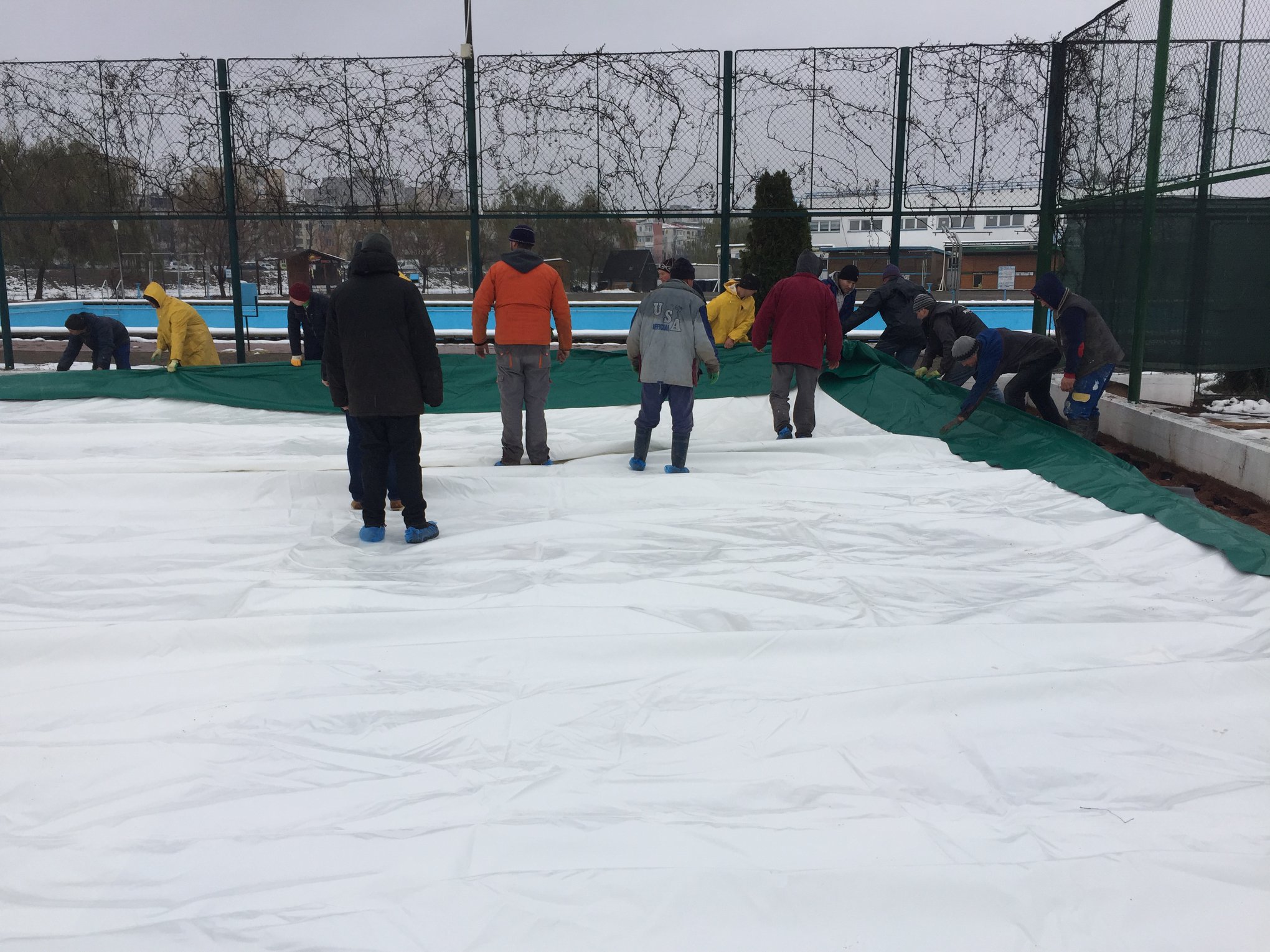
    Prior to installation, removal of nets and other obstructions is required. A protective plastic layer is typically placed to safeguard the membrane and protect it from dirt.

    (8) Dome Installation:

    Herox’s team can provide a tehnician to supervise the installation of the dome or can install turnkey.

    (9) Spreading the Membrane:

    The fabric membrane, the heart of the air dome, is then carefully unrolled and positioned.

    (10) Connecting the Membrane to the Anchorage System:

    Accurate alignment and connection of the membrane to the anchorage system is crucial for dome stability. In this step the membrane parts are connected to one another and the membrane is connected to the anchorage system and doors.

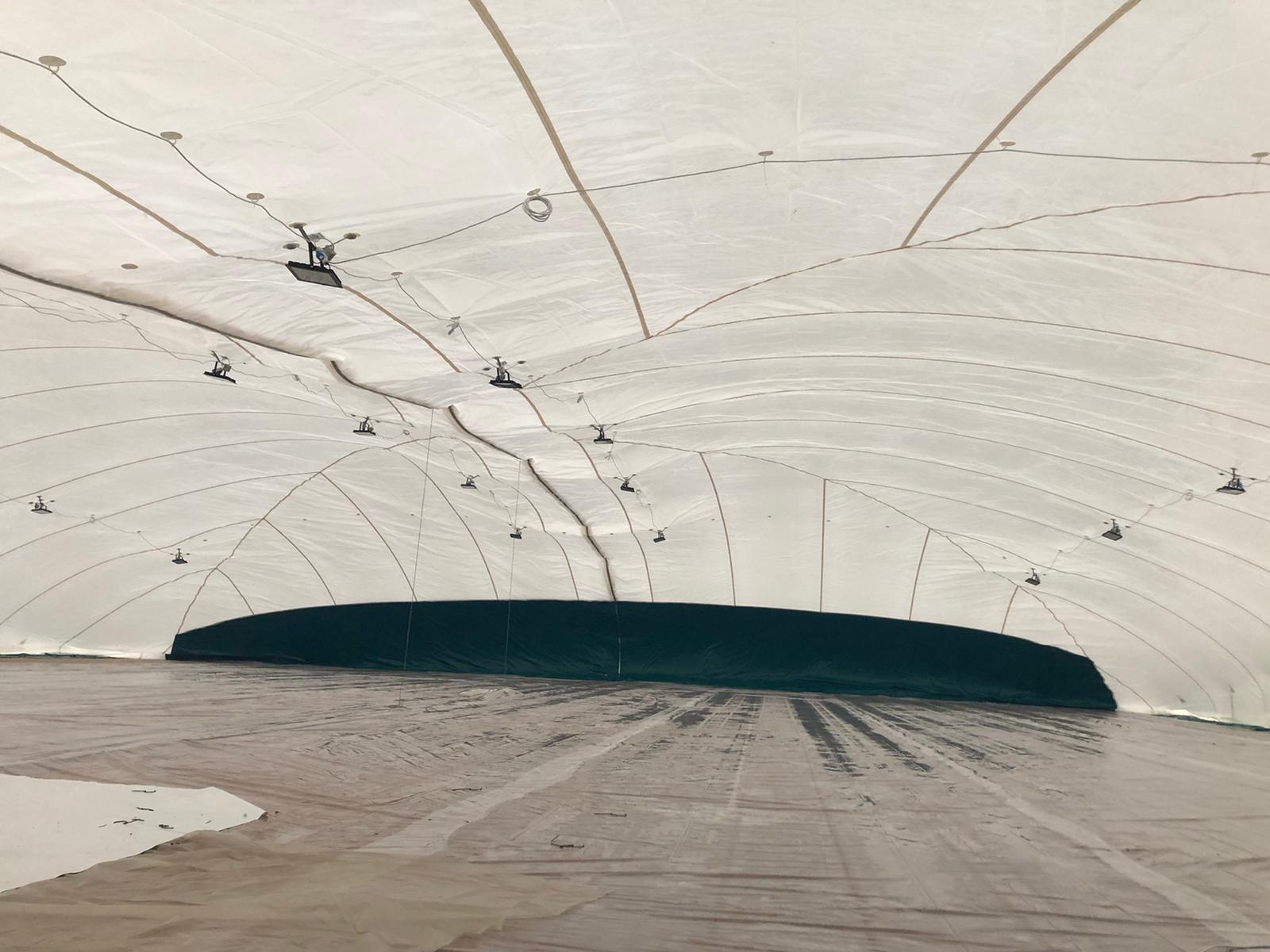
    (11) Inflating the Dome:

    Post-anchoring, the inflation process begins. It is imperative to ensure the availability of triphase power and gas connections for the inflation and heating unit.

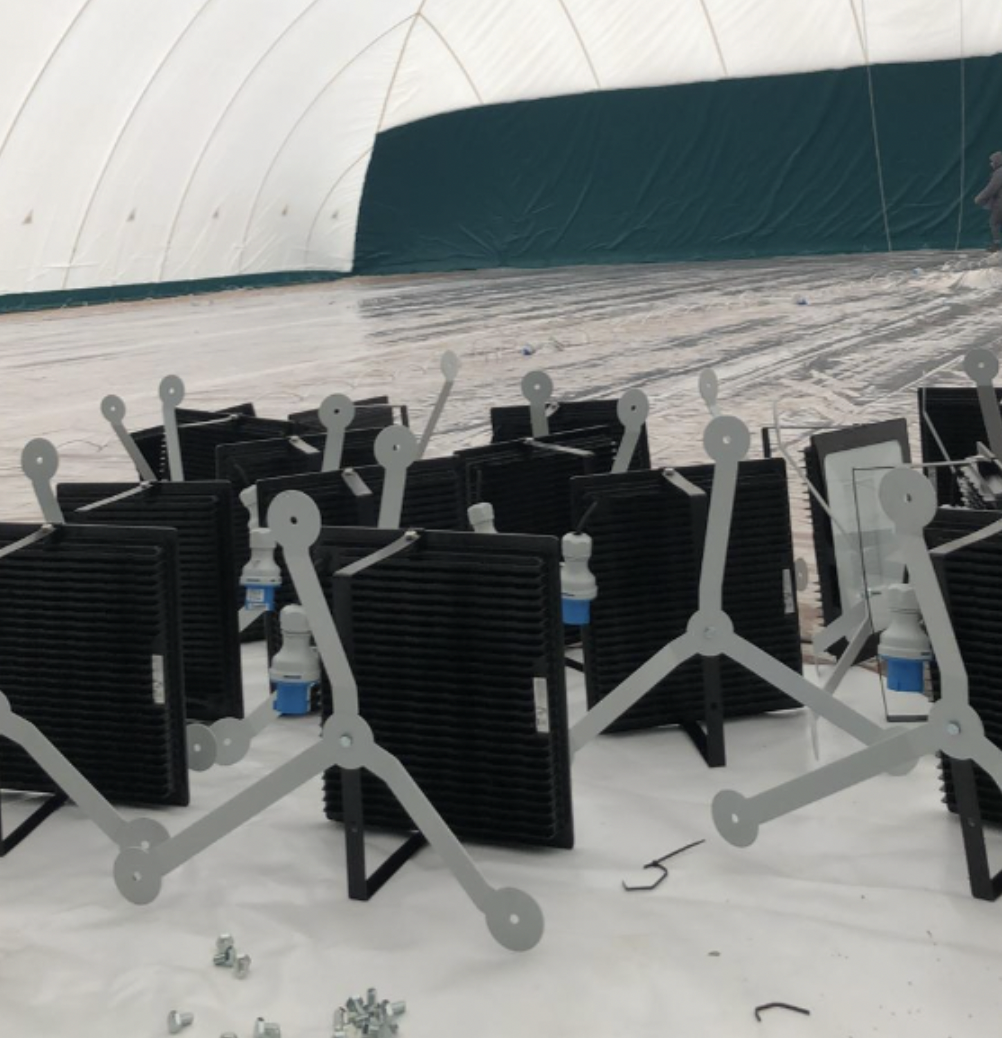
    (12) Installing Lights:

    Concurrent with inflation or after the inflation has finalised, the lighting system is integrated into the dome.

    (13) Enjoying Your State-of-the-Art Facility:

    The final step is the most rewarding – enjoying your new, state-of-the-art air dome facility. Whether it’s for sports, events, or any other purpose, the air dome offers a weather-resistant, versatile space. Its installation marks the beginning of a new range of possibilities, from hosting year-round sporting events to providing a unique venue for community gatherings.

    Conclusion:

    The installation of an air dome is a seamless process that leads to the creation of a dynamic and adaptable space. By following these steps – from receiving the delivery to the final enjoyment of the facility – owners can ensure a successful and efficient installation, paving the way for endless opportunities in their new, innovative space.

  • Church Domes

    Church domes, a prominent feature in religious architecture, hold significant value both culturally and architecturally. These domes, transcending mere structural elements, symbolize the spiritual aspirations of humanity, reaching towards the heavens. Their historical and contemporary significance is evident in various religious traditions, reflecting a blend of aesthetic beauty, symbolic meaning, and engineering prowess.

    Architecturally, church domes are marvels. They represent a culmination of complex engineering and artistic mastery. Historically, the construction of a dome was a testament to a community’s or a patron’s devotion and resources, often pushing the boundaries of contemporary architectural knowledge. In modern times, they continue to blend traditional designs with new materials and technologies, showcasing a continuity of faith and innovation. The dome’s structure, often placed atop a square base, necessitates sophisticated engineering solutions to support its weight and distribute it evenly. This architectural achievement is not just functional but also serves as a visual focal point, drawing the eyes upwards, symbolizing the ascent to the divine.

    The aesthetic value of church domes is unparalleled. Often adorned with intricate artwork, mosaics, or frescoes, these domes are not just structures but canvases that tell stories. They depict religious narratives, celestial scenes, or important figures, serving as a visual catechism for the faithful. The interior decoration of a dome often plays with light and space, creating an atmosphere of awe and reverence, an essential element in religious architecture.

    Symbolically, domes hold profound religious significance. They represent the heavens, the universe, or the dome of creation in various religious traditions. This symbolism is deeply rooted in the psyche of the faithful, making the dome a powerful reminder of the spiritual world and the presence of the divine in the physical realm. In many churches, the central position of the dome over the altar or the nave signifies the importance of the divine in the center of communal worship and religious life.

    Furthermore, church domes contribute significantly to cultural and historical heritage. They are landmarks in their communities, often defining the skyline of cities and towns. As part of the architectural heritage, they connect present communities with their past, telling stories of faith, art, and history. This aspect makes them valuable not just to the faithful but also to historians, artists, and tourists, contributing to cultural understanding and appreciation.

    In conclusion, church domes are much more than architectural elements. They are embodiments of human faith, artistic expression, and architectural ingenuity. Through their grandeur, beauty, and symbolism, they continue to inspire, educate, and connect communities, transcending time and cultural barriers. As living monuments of faith and creativity, they hold a special place in the landscape of human achievement and spiritual expression.

  • Community Perks

    How We Support You Beyond the Dome

    At HeroX, we believe in providing more than just an air dome—we offer a complete community experience to help you operate, maintain, and maximize the value of your investment. From exclusive perks to expert guidance, we ensure your air dome project runs smoothly every step of the way.

    Perks Before You Buy (All Free with Your Dome Purchase!)

    We offer these complimentary services to help you plan and visualize your dome project before making a purchase:

    1. Book a Virtual Meeting – Complimentary Schedule a one-on-one consultation with our experts to discuss your dome, ask questions, and explore customization options.
    2. Visit One of Our Domes – Complimentary ️ Attend a monthly site visit to experience a HeroX dome in action and gain firsthand insights into its functionality and quality.
    3. Get a Custom Dome Sketch ✏️ Receive a concept sketch based on your project specifications to help visualize the setup.
    4. Receive 3D Renders of Your Future Dome See high-quality 3D renders of your dome to help with planning and presentation.
    5. Experience a Virtual Tour of Your Dome Step inside your dome before it’s built with a fully interactive virtual tour.
    6. On-Site Technician Visit Have an expert assess your site, discuss foundation options, and ensure seamless installation.
    7. Introduction to Dome Consultants Need professional project management? We connect you with TheDomeConsultant.com, experts in air dome planning and execution.

    Introduction to 3rd-Party Suppliers Save on project costs by gaining access to trusted suppliers for turf, flooring, lighting, and other essential accessories.

    Community Perks After You Buy

    When you purchase an air dome from us, you gain access to exclusive benefits designed to assist with operation, maintenance, and business growth:

    1. Priority Customer Support: Direct access to priority support for urgent inquiries and troubleshooting.
    2. Dome Maintenance Package: Seasonal maintenance checklist and discounted technician visits to keep your dome in top shape.
    3. Energy Efficiency Consultation: Expert advice on reducing operational costs and optimizing HVAC efficiency.
    4. Discounts on Upgrades & Accessories: 10-20% off on lighting, flooring, turf, and other dome enhancements.
    5. Marketing Assistance for Dome Operators: Free promotional listing on our website and a feature on HeroX social media.
    6. Referral Bonus Program: Earn cash incentives or future purchase discounts for referring new clients.
    7. Exclusive Industry Networking Events: Invitations to private events connecting you with sports clubs, investors, and suppliers.

    We’re Here to Support You

    At HeroX, we are committed to being flexible, responsive, and involved in your dome project. Whether you need assistance with design, project management, or cost-saving solutions, we’re here to help.

    Let’s bring your air dome project to life! Get started today!

    (702) 919-7179

    ✉️ office@heroxairdomes.com

  • Cost of an Air Dome

    Generally prices range:

    United States between 10 to 50 dollars per square feet.

    Europe between 50 to 250 euros per square meter.

    The prices are significantly different between markets due to the different standards for fire safety, energy source, inflation systems and HVAC.

    Dome Installation Cost and Timeline:

    • Installation: Requires a supervisory team, laborers, heavy equipment, electrician, and HVAC technician. Small domes can be installed in 1-2 days, larger ones may take weeks. Installation cost depends on time and resources used.
    • Design and Engineering: Structural and mechanical engineering typically costs around $20,000, depending on local codes and requirements.
    • Foundation: Cost varies based on soil conditions and local codes. Example: Hybrid foundation for a 100,000 sq.ft. dome in Michigan may cost $350,000.
    • Ongoing Expenses: Utility costs range from $0.50 – $1.50 per sq.ft. annually. Minimal maintenance required.
    • Safety: HeroX domes prioritize safety with strong materials and engineering. We typically use Ferarri or Sattler fabrics.

    Project Roles:

    • HeroX: Provides dome components and consultation.
    • Engineers: Structural and mechanical engineers procured by our consultants, others by the buyer.
    • Installation Team: Installs dome components; manual labor required.
    • Architect, Contractor, Electrician, HVAC Technician: Procured by the buyer for site work, permits, and installation.
    • Dome Operator/Maintenance Team: Procured by buyer for ongoing operation and maintenance.

    Purchase Process:

    1. Scope Discussion: Determine dome size, use, occupancy, timeline, and funding options.
    2. Design and Engineering: Full engineering determines dome package scope and cost.
    3. Production and Site Work: Dome production begins while site work commences.
    4. Transportation: Dome and components transported to installation site.
    5. Installation: Completed by expert installers, timeline varies based on dome size and complexity.

    By understanding these aspects, you can plan and budget effectively for your dome project. Start by getting an instant estimate through our air dome configurator and get connected with our team.

  • Air Supported vs Permanent Structures

    For those planning the infrastructure of tennis centers, the choice between air supported and permanent structures is critical. Here we explore the advantages of air supported structures, positioning them as a strategic and often preferable alternative to their permanent counterparts.

    Capital Cost

    Air Supported Structures: These structures stand out for their cost-efficiency. The investment required is less daunting, dependent on the size of the facility, and the selection of liner and equipment, making them a budget-friendly option.

    Permanent Structures: In contrast, constructing a permanent facility demands a higher initial capital outlay, influenced by the facility’s size, design complexity, and the quality of building materials.

    Operating Cost

    Air Supported Structures: Despite potentially higher utility costs per usage hour, the seasonal nature of these structures—typically active for 5 to 6 months—can mean overall lower operating costs annually.

    Permanent Structures: Permanent facilities incur significant operating expenses year-round, including staffing and utilities, which can add up over the facility’s continuous 12-month operation.

    Seasonal Implications

    Air Supported Structures: These structures excel in seasonal adaptability, offering covered courts in winter and converting to outdoor courts in summer, ensuring year-round utility and maximized investment.

    Permanent Structures: They may be preferred during winter but often face programming and utilization challenges in the summer, leading to potential inefficiency.

    Life Cycle

    Air Supported Structures: The bubble fabric of these structures is robust, with a life span of 15 to 20 years, reliant on diligent maintenance and UV protection measures.

    Permanent Structures: While they have a longer estimated life span of 25 to 35 years, the extended life comes with sustained maintenance and operational costs.

    Consumer Opinions

    Air Supported Structures: Players endorse the seasonal outdoor play option and often report a more enjoyable playing experience, citing better air quality and temperature control compared to permanent structures.

    Permanent Structures: Although they offer a stable environment, the lack of seasonal open-air play can be a downside for some consumers.

    Operating Considerations

    Air Supported Structures: They are lauded for their flexibility but are sometimes limited by codes that prevent use as general gathering places, slightly narrowing program diversity.

    Permanent Structures: These require intensive scheduling efforts to remain active during off-peak seasons, which can be a logistical challenge.

    In sum, air supported structures often present a superior option for tennis centers, particularly when considering budget constraints, seasonal versatility, and consumer satisfaction. They provide a strategic and adaptable solution that can be tailored to the specific needs of a community or organization, making them an increasingly popular choice in the planning of recreational facilities.

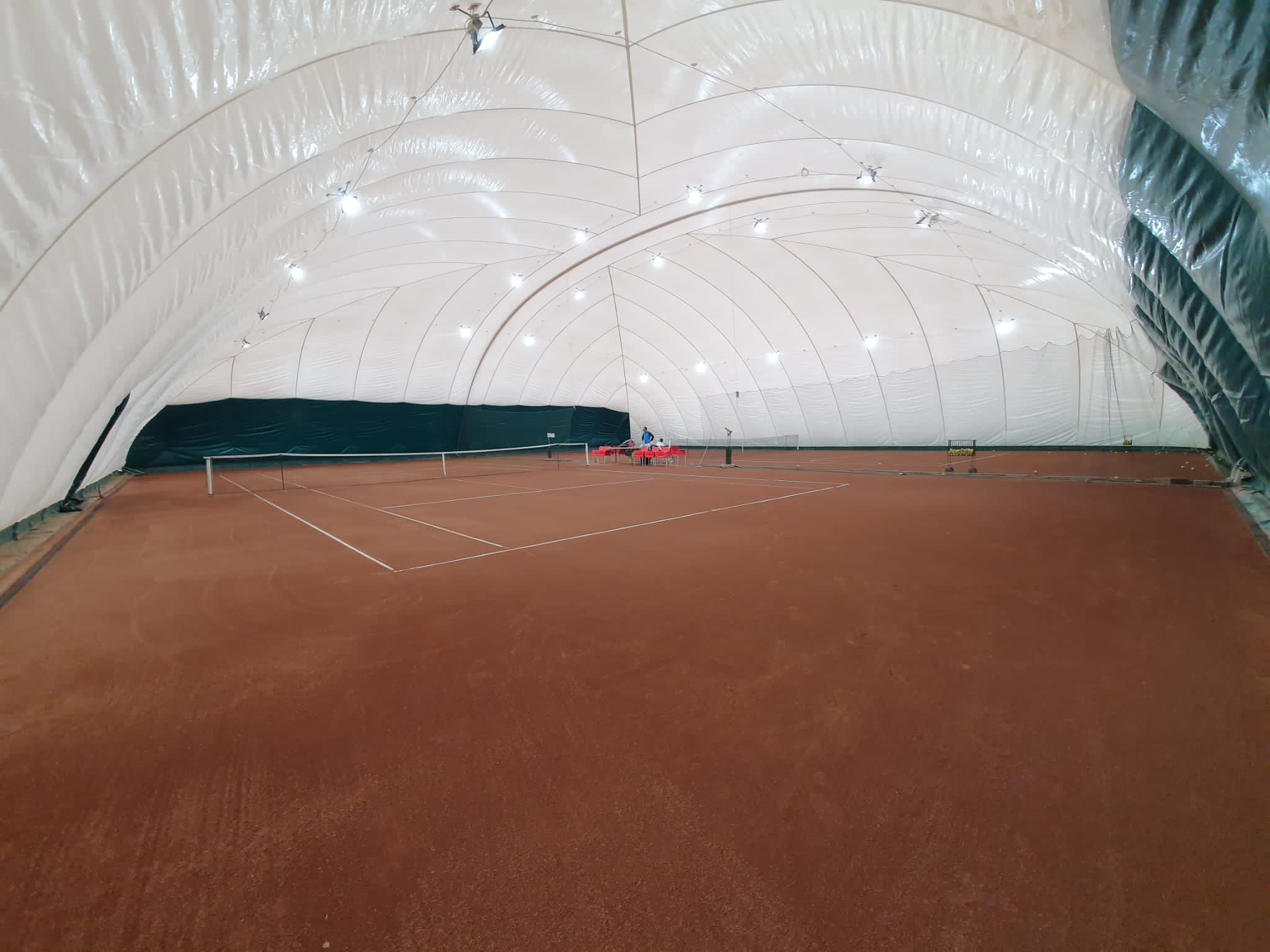
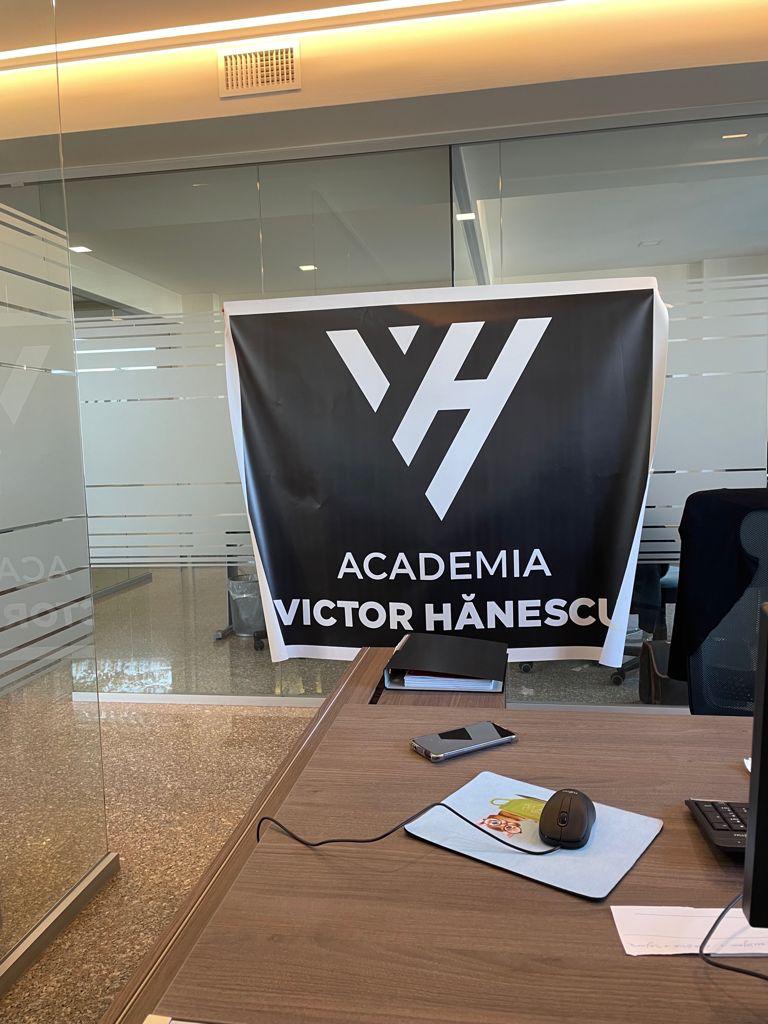
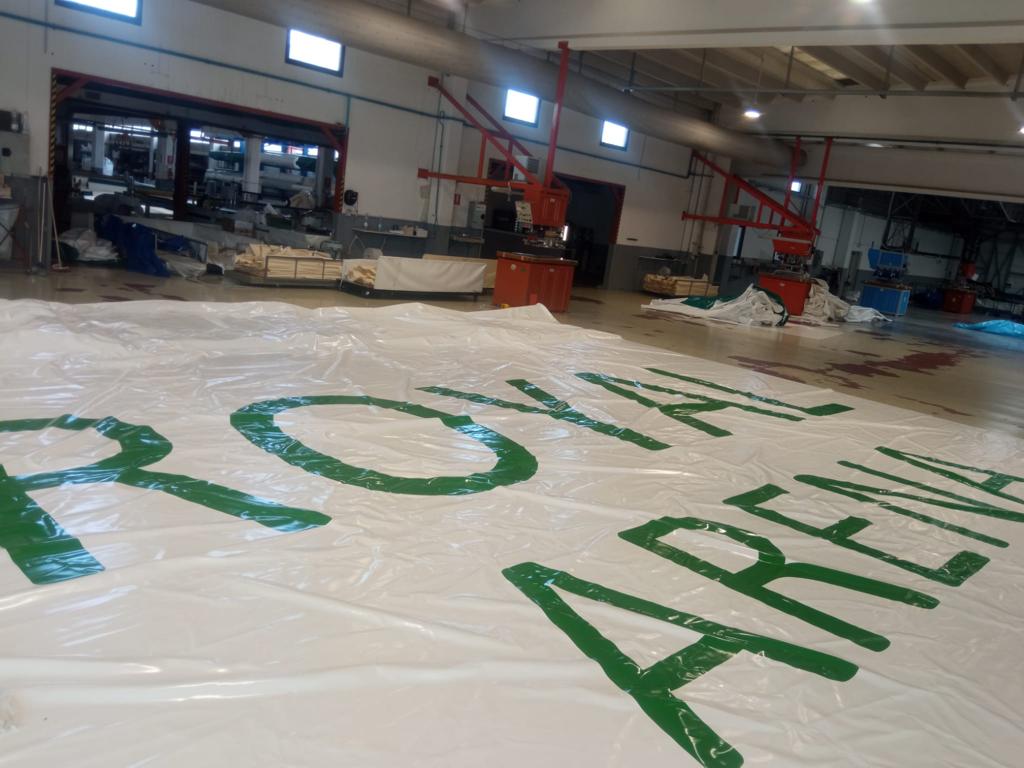
  • Custom Branding

    We have many ways we can personalise your dome:
    • Custom Fabric Colors
    • Logo Banner
    • High Resolution Photo Banner
    • Skylights

    Below are a few examples:

  • Free Structure for Tennis Clubs: How to Get It?

    Get a free quote here.

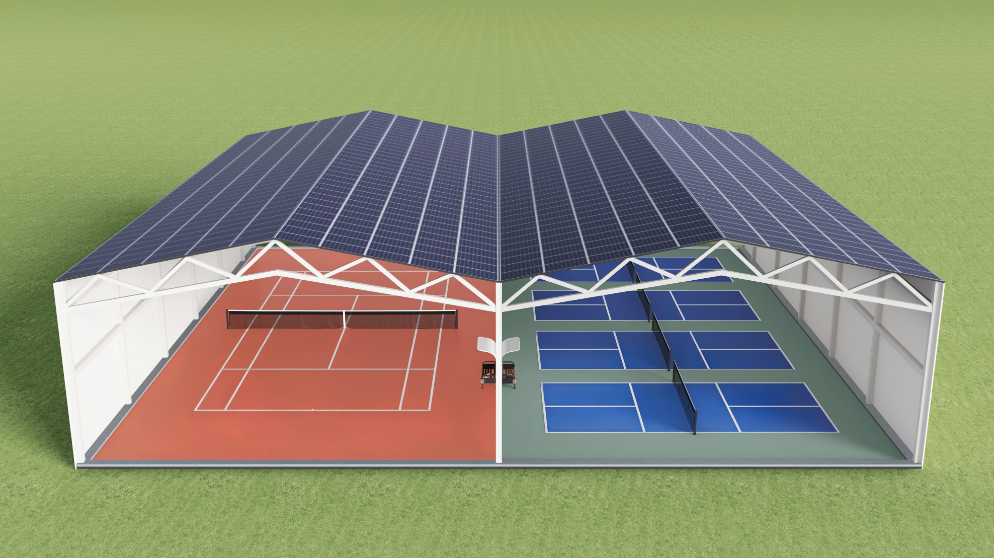
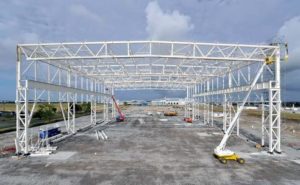
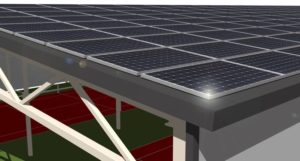
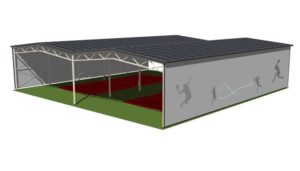
    Installing photovoltaic solar panels on building roofs is highly practical, offering a unique production method that requires no labor. The true advantage of photovoltaic technology is the possibility of having a photovoltaic structure built for free through a straightforward financing system. By financing the structure and solar panels over a longer period (10+ years), the energy produced either for your use or sold to the grid can exceed the monthly payment costs, effectively providing a no-cost solution to generate additional revenue for your club.

    This article provides all the necessary information about photovoltaic structures and their financing:

    __wf_reserved_inherit

    (1) What is a Photovoltaic Structure?

    A photovoltaic structure is a covered building, typically 60 x 120 ft or 7,200 sq ft, equipped with solar panels that generate electricity. This renewable, non-polluting energy can be consumed or sold, allowing you to further develop your activities.

    (2) How Much Does a Photovoltaic Structure Cost?

    The cost of a turnkey photovoltaic structure varies depending on the type of structure, financing conditions, connection costs, and the level of customization. On average, a 60 x 120 ft structure costs around $500,000 USD.

    Other Requirements:

    • Proximity to the Electrical Grid: Your photovoltaic structure must be near the electrical grid, either a transformer or a 20,000 V line (3 wires) if you plan to feed electricity into the grid. We have an AI tool that can help determine this.
    • Optimal Exposure: A southern orientation is ideal, but roofs facing East or West can also be profitable, depending on the region.
    • No Shadows: Ensure there are no buildings, trees, or other elements that could cast shadows on the roof.
    __wf_reserved_inherit

    (3) How to Build a Photovoltaic Structure Without Any Money Out of Pocket

    1. Get a detailed estimate from us for the structure.
    2. Apply for financing.
    3. Get financing approval.
    4. Order the structure and panels.
    5. Get the structure installed.
    6. Connect the solar panels to the grid.
    7. Get paid for the electricity produced or consume it yourself.
    __wf_reserved_inherit

    (4) How Does the Structure Become Free?

    Although a photovoltaic structure requires an initial investment, it can often be financed with zero down payment over seven years or longer. The income from selling electricity or from self-consumption typically covers the payment plan, making the structure virtually cost-free.

    Self-Financing Explained:

    1. Invest in a photovoltaic structure; once operational, you own and manage the electricity production and the building.
    2. Earn income from the sale or self-consumption of the electricity produced.
    __wf_reserved_inherit

    (5) The No-Cost Photovoltaic Structure for Tennis Clubs

    If a free photovoltaic structure meets your club’s needs, let’s discuss the potential collaboration. Choosing a free photovoltaic structure is a simple, quick, and effective way to maximize ROI for your tennis club. However, ensure your project is profitable before proceeding. For a quick and sustainable start, HeroX offers free, no-obligation consultations to guide you through the process. Click the link here to schedule a meeting.