Category: Uncategorized

  • Air Supported Structures VS Air-Inflated Structures

    At Herox, our expertise lies in the creation of air-supported structures. This unique architectural form often leads to some confusion in terminology, which is quite understandable given the nuances of the English language. For instance, the terms “air-inflated” and “air-supported” might seem synonymous, but they denote two distinct types of structures.

    The distinction becomes clear when you examine their construction and functionality. Air-inflated structures, also known as inflatable buildings, rely on inflating specific parts like beams, arches, or walls to create space. A classic example would be a children’s bouncy castle, where the walls are inflated and the internal space is open to the external atmosphere.

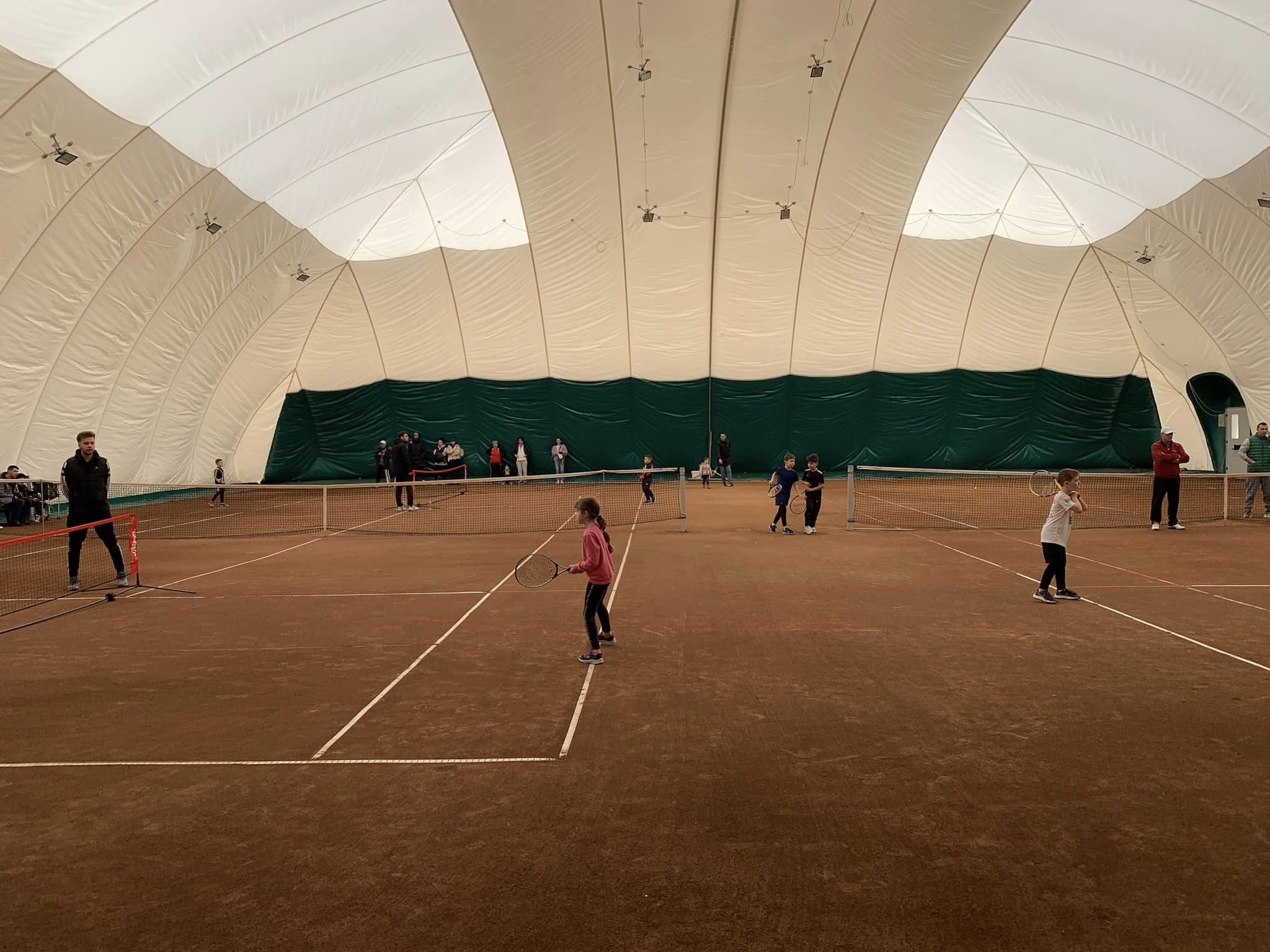
    In contrast, air-supported structures encompass the entire usable space within an air-filled dome. This results in an internal environment with slightly higher air pressure than the outside, creating a unique and stable space.

    One key difference is the way these structures manage entrances and exits. Air-supported structures require controlled points of entry to maintain internal air pressure, unlike air-inflated structures which can maintain their form without such systems.

    The choice between these two depends on the intended use. Air-supported structures, like those crafted by Herox, are ideal for larger applications such as indoor sports facilities, covering extensive areas like soccer fields, swimming pools, and multi-sport complexes. They provide vast, clear-span spaces essential for such activities.

    Moreover, air-supported structures boast superior resilience against natural forces. They often incorporate a concrete grade beam in their foundation, not just for sealing the air but also for providing additional strength and anchorage. Their air pressure can be adjusted in response to different weather conditions, ensuring durability and longevity.

    On the other hand, air-inflated structures are more suited for smaller, portable applications. Lacking a solid foundation, they are ideal for temporary setups where tents would traditionally be used.

    While both types share fundamental principles, their differences are significant, catering to varied needs and scenarios. Understanding these differences is crucial in choosing the right structure for your needs, and at Herox, we specialize in providing the best air-supported solutions for large-scale applications.
  • Air-Supported Structure Features

    1. Customizable Design: Tailoring to Your Needs

    Air domes offer unparalleled customization. They can be constructed in any size to fit specific needs, ensuring that space is never a constraint. The outer fabric of these structures is not only durable but also comes in a variety of colors. This feature allows for aesthetic flexibility, making it possible to align the dome’s appearance with the surrounding environment or to adhere to branding requirements.

    2. Adaptable Structures: Fitting Any Tennis Facility

    One of the most significant advantages of air domes is their adaptability. These structures can be erected over almost any existing venue, regardless of the location or the orientation. This flexibility is particularly beneficial for facilities looking to upgrade or weather-proof their existing infrastructure without the need for extensive modifications.

    3. Climate-Controlled Environment: Comfort in All Seasons

    Air domes are equipped with insulated fabrics and powerful heating and air-conditioning units. This combination creates an ideal playing environment regardless of the weather outside. Whether it’s a chilly winter day or a hot summer afternoon, players can enjoy comfortable and consistent conditions inside the dome, making it a year-round sports destination.

    4. Multipurpose Use: More Than Just Sports

    The versatility of air domes extends beyond sports. These structures are capable of housing multiple activities under one roof. From basketball to warehousing, air domes can be designed to accommodate a variety of activities, making them a multipurpose solution for any community.

    5. Seasonal Flexibility: Easy to Set Up and Take Down

    Air domes are uniquely designed for seasonal use. They can be inflated and deflated in just a few hours, providing flexibility for locations that require temporary or seasonal sports facilities. This feature is particularly useful for areas where weather conditions vary dramatically throughout the year, allowing for the efficient utilization of outdoor spaces.

    6. Economical Solution: Cost-Effective for Large Spaces

    When it comes to covering large, clear span spaces, air domes are the most cost-effective building system available. Their economical nature makes them an attractive option for many communities and sports organizations looking to expand their facilities without incurring the high costs associated with traditional building methods.

    In conclusion, air domes represent a blend of modern engineering and practical design, offering a range of features that make them an excellent choice for sports facilities and community centers. Their customizable, adaptable, climate-controlled, multipurpose, seasonal, and economical characteristics make them a versatile and efficient solution for a wide range of needs.

  • Favorite American Indoor Sports: A Top 5 Countdown

    Indoor sports are increasingly popular in the U.S., offering year-round play regardless of weather. Here are the top five indoor sports, with tennis air domes by Herox enhancing the experience.

    1. Indoor Tennis: Growing in U.S. popularity, tennis is ideal for indoor play with Herox’s tennis bubbles. These air domes make tennis accessible in all seasons, especially in areas with long winters.
    2. Indoor Basketball: The most popular indoor sport in the U.S., basketball thrives indoors. Air-supported structures by Herox transform outdoor courts to indoor, ensuring basketball is always in season.
    3. Indoor Soccer: Boosted by the FIFA World Cup’s popularity, indoor soccer is on the rise, especially in colder regions. Herox’s air domes cater to this growing demand, supporting year-round play.
    4. Track and Field: Traditionally outdoor, track and field activities like running and jumping are moving indoors. Multisport air domes by Herox provide the necessary space for these diverse activities.
    5. Hockey: Mainly played indoors in the U.S., hockey requires specific conditions, often seen in northern states. While not typical for air domes, Herox could potentially accommodate hockey’s unique needs.

    Moving these sports indoors with Herox’s domes ensures they can continue throughout the year, regardless of external weather conditions.

  • Baseball Domes

    Baseball domes, also known as domed stadiums, have revolutionized the world of sports architecture, offering a unique blend of functionality, fan experience, and technological innovation. These structures have transformed the way baseball is played and experienced, ensuring the game thrives regardless of external weather conditions and setting new standards in spectator comfort and engagement.

    At the heart of the value of baseball domes is their ability to provide a controlled environment for playing baseball. Traditional outdoor stadiums are at the mercy of the elements, with games often delayed or canceled due to rain, snow, or extreme temperatures. Baseball domes eliminate these interruptions, ensuring games can be scheduled and played with greater certainty and consistency. This reliability is not only beneficial for players and teams who can maintain regular training and playing routines but also for fans who can plan their attendance without the risk of weather-related cancellations.

    From a fan’s perspective, baseball domes offer an enhanced experience. These modern structures are designed with spectator comfort in mind, featuring climate control for a pleasant viewing environment regardless of the season. They often incorporate state-of-the-art amenities, such as high-quality seating, expansive concession areas, and advanced audio-visual systems, making the game-watching experience more enjoyable and immersive. The controlled environment also allows for a more predictable and consistent playing field, potentially leading to a higher quality of play.

    Technologically, baseball domes represent a significant architectural and engineering achievement. The design and construction of a large-scale, enclosed stadium require innovative solutions to challenges such as climate control, lighting, and acoustics. The retractable roof feature, found in some domes, is a marvel of engineering, allowing the stadium to switch between an open-air and an enclosed environment. This flexibility enhances the utility of the venue, making it suitable for a variety of events beyond baseball, such as concerts, conventions, and other sports.

    Baseball domes also contribute to the economic vitality of their communities. By hosting games and events year-round, they attract consistent crowds, boosting local businesses and tourism. Their architectural presence often becomes a landmark, adding to the city’s identity and pride.

    In conclusion, baseball domes are much more than mere sporting venues. They are hubs of community activity, architectural wonders, and catalysts for economic growth. By providing reliable, comfortable, and technologically advanced environments for enjoying America’s pastime, these domes have not only changed the game of baseball but have also become integral parts of the communities they serve, enhancing the cultural and economic landscape.

  • Baseball and Softball Air Dome Design

    Why Choose an Air Dome?

    Air domes provide excellent protection against the elements, allowing baseball and softball activities to continue year-round. They are cost-effective, quick to install, and offer flexibility for various uses.

    Benefits of Air Domes

    1. Quick Installation: Air domes can be set up in days or weeks, unlike permanent structures.
    2. Cost-Effective: Lower initial and maintenance costs compared to permanent facilities.
    3. Weather Protection: Shields against rain, snow, wind, dust, and extreme heat, making it suitable for all climates.

    Key Design Considerations

    Size

    • Field Size: Determine the dome’s width, length, and height based on the level of competition.
      • Professional/College: 90 ft base paths, 325 ft foul lines, 400 ft home run fence, 120,000 sq ft area.
      • High School: 90 ft base paths, 300 ft foul lines, 350 ft home run fence, 105,000 sq ft area.
      • Little League: 60 ft base paths, 205 ft foul lines, 215 ft home run fence, 40,000 sq ft area.
      • Softball: 60 ft base paths, 190 ft foul lines, 220 ft home run fence, 32,000 sq ft area.
    • Height: Typically 30% of the dome’s width (e.g., a 320 ft wide dome will be 96 ft high).

    Competition Level

    • Professional & College: Requires high-quality materials, TV-quality lighting, robust sound systems, and professional-grade playing surfaces.
    • High School: Quality playing surface and lighting, but fewer seats and a less extensive sound system.
    • Training & Recreational Play: Basic dome with good lighting and playing surfaces, minimal spectator space.

    Batting Cages

    • Consider including space for batting cages:
      • Single Cage: 70 ft x 14 ft x 12 ft (980 sq ft).
      • Multiple Cages: Adjust total area accordingly (e.g., 4 cages = 3,920 sq ft).

    Amenities

    • Essential: Concessions, restrooms, locker rooms, storage, offices, and first aid rooms.
    • Optional: Advanced lighting, sound systems, and customized branding.

    Customization

    • Design: Choose the size, shape, and color. Add features like windows, doors, and insulation.
    • Branding: Print logos and customize colors to match your branding for a professional look.

    Profitability

    • Increased Revenue: More games, fewer rainouts, and high-quality amenities attract more users.
    • Diverse Uses: Rent the facility for events like expos, car shows, trade fairs, and festivals.
    • Year-Round Use: Generate revenue beyond the traditional sports season.

    Getting Started

    Choosing an air dome for your baseball or softball facility offers numerous benefits, from weather protection to increased revenue potential. For help with your project, visit our air dome configurator for an instant estimate.

  • Benefits of air domes

    Air domes are transforming the way we think about indoor spaces. Whether you’re a sports club, an event organizer, a business, or a municipality, air domes offer an efficient, cost-effective, and versatile alternative to traditional buildings. But what exactly are air domes, and why are they becoming so popular?

    Let’s dive into the top benefits of air domes and why they might be the perfect solution for your needs.

    ️ What Is an Air Dome?

    An air dome (also called an inflatable dome or air-supported structure) is a lightweight, pressurized structure made of durable fabric, kept upright by a controlled airflow system. Unlike traditional buildings, air domes don’t require columns or beams, creating huge open spaces perfect for sports, events, storage, and more.

    ✅ Key Benefits of Air Domes

    1️⃣ Cost-Effective Compared to Traditional Buildings

    • Lower Construction Costs – A fraction of the price of steel or concrete buildings
    • Quick Installation – Can be set up in weeks instead of months
    • Minimal Foundation Requirements – Saves money on groundwork
    • Lower Maintenance Costs – Durable materials require little upkeep

    2️⃣ Flexible & Multi-Purpose Use

    • Sports & Recreation – Perfect for tennis, soccer, swimming pools, basketball, and more
    • Events & Exhibitions – Temporary or permanent event spaces
    • Industrial & Storage – Warehouses, logistics centers, and emergency shelters
    • Agriculture – Protect crops and livestock from harsh weather
    • Disaster Relief & Military – Quick-deploy structures for emergencies

    3️⃣ Year-Round Weather Protection

    • Resistant to Snow, Rain, and Wind – Engineered to handle extreme weather
    • Temperature Control – Can be heated in winter and cooled in summer
    • UV Protection – Shields users from harmful sun exposure

    4️⃣ Energy-Efficient & Eco-Friendly

    • Lower Energy Costs – Advanced insulation reduces heating & cooling expenses
    • Solar Panel Compatibility – Can be equipped with solar energy solutions
    • LED Lighting – Maximizes efficiency and minimizes power usage
    • Sustainable Materials – Made from recyclable, long-lasting fabrics

    5️⃣ Fast Installation & Easy Relocation

    • Installation in Weeks – No long construction delays
    • Temporary or Permanent – Can be set up for a season or stay for decades
    • Portable – Can be dismantled and moved to a new location

    6️⃣ Low Maintenance & High Durability

    • Tear-Resistant & Weatherproof Fabrics – Built to last
    • Automatic Backup Systems – Ensures stability during power outages
    • Minimal Repairs Required – Unlike steel or brick buildings that require constant upkeep

    7️⃣ Better Playing Experience for Athletes

    • Consistent Conditions – No wind, rain, or temperature fluctuations
    • Even Lighting – No harsh shadows or blinding sun
    • High Ceilings & Open Space – Ideal for all types of sports

    8️⃣ Customizable to Fit Any Needs

    • Different Sizes & Shapes – From small domes to massive multi-sport complexes
    • Branding & Advertising – Logos, sponsorships, and colors can be added
    • Custom Entrances & Amenities – Doors, HVAC, seating, and more can be tailored

    Why Air Domes Are the Future

    Air domes are revolutionizing sports, business, and events by providing a cost-effective, flexible, and energy-efficient solution. With their ability to adapt to different industries, withstand extreme weather, and offer an incredible user experience, air domes are an investment that pays off in the long run.

    Considering an air dome? Whether you need a permanent sports facility, a temporary event space, or a weather-proof industrial solution, air domes deliver unmatched benefits at a fraction of the cost of traditional buildings.

    If you’re interested in learning more or getting a quote for your own air dome, contact us today!

  • Air Supported vs Permanent Structures

    Air Supported vs Permanent Structures

    For those planning the infrastructure of tennis centers, the choice between air supported and permanent structures is critical. Here we explore the advantages of air supported structures, positioning them as a strategic and often preferable alternative to their permanent counterparts.

    Capital Cost

    Air Supported Structures: These structures stand out for their cost-efficiency. The investment required is less daunting, dependent on the size of the facility, and the selection of liner and equipment, making them a budget-friendly option.

    Permanent Structures: In contrast, constructing a permanent facility demands a higher initial capital outlay, influenced by the facility’s size, design complexity, and the quality of building materials.

    Operating Cost

    Air Supported Structures: Despite potentially higher utility costs per usage hour, the seasonal nature of these structures—typically active for 5 to 6 months—can mean overall lower operating costs annually.

    Permanent Structures: Permanent facilities incur significant operating expenses year-round, including staffing and utilities, which can add up over the facility’s continuous 12-month operation.

    Seasonal Implications

    Air Supported Structures: These structures excel in seasonal adaptability, offering covered courts in winter and converting to outdoor courts in summer, ensuring year-round utility and maximized investment.

    Permanent Structures: They may be preferred during winter but often face programming and utilization challenges in the summer, leading to potential inefficiency.

    Life Cycle

    Air Supported Structures: The bubble fabric of these structures is robust, with a life span of 15 to 20 years, reliant on diligent maintenance and UV protection measures.

    Permanent Structures: While they have a longer estimated life span of 25 to 35 years, the extended life comes with sustained maintenance and operational costs.

    Consumer Opinions

    Air Supported Structures: Players endorse the seasonal outdoor play option and often report a more enjoyable playing experience, citing better air quality and temperature control compared to permanent structures.

    Permanent Structures: Although they offer a stable environment, the lack of seasonal open-air play can be a downside for some consumers.

    Operating Considerations

    Air Supported Structures: They are lauded for their flexibility but are sometimes limited by codes that prevent use as general gathering places, slightly narrowing program diversity.

    Permanent Structures: These require intensive scheduling efforts to remain active during off-peak seasons, which can be a logistical challenge.

    In sum, air supported structures often present a superior option for tennis centers, particularly when considering budget constraints, seasonal versatility, and consumer satisfaction. They provide a strategic and adaptable solution that can be tailored to the specific needs of a community or organization, making them an increasingly popular choice in the planning of recreational facilities.

  • Free Structure for Tennis Clubs: How to Get It?

    Get a free quote here.

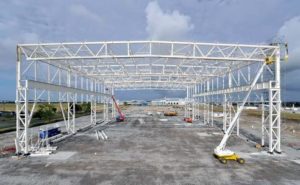
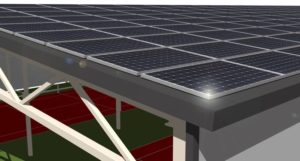
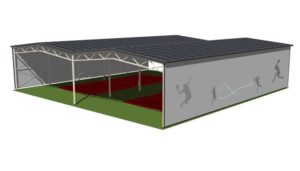
    Installing photovoltaic solar panels on building roofs is highly practical, offering a unique production method that requires no labor. The true advantage of photovoltaic technology is the possibility of having a photovoltaic structure built for free through a straightforward financing system. By financing the structure and solar panels over a longer period (10+ years), the energy produced either for your use or sold to the grid can exceed the monthly payment costs, effectively providing a no-cost solution to generate additional revenue for your club.

    This article provides all the necessary information about photovoltaic structures and their financing:

    __wf_reserved_inherit

    (1) What is a Photovoltaic Structure?

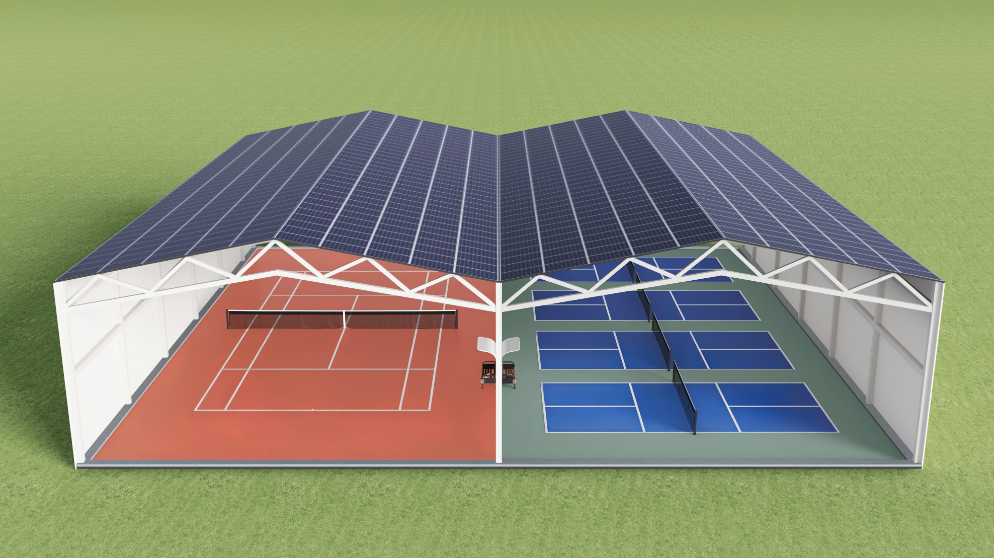
    A photovoltaic structure is a covered building, typically 60 x 120 ft or 7,200 sq ft, equipped with solar panels that generate electricity. This renewable, non-polluting energy can be consumed or sold, allowing you to further develop your activities.

    (2) How Much Does a Photovoltaic Structure Cost?

    The cost of a turnkey photovoltaic structure varies depending on the type of structure, financing conditions, connection costs, and the level of customization. On average, a 60 x 120 ft structure costs around $500,000 USD.

    Other Requirements:

    • Proximity to the Electrical Grid: Your photovoltaic structure must be near the electrical grid, either a transformer or a 20,000 V line (3 wires) if you plan to feed electricity into the grid. We have an AI tool that can help determine this.
    • Optimal Exposure: A southern orientation is ideal, but roofs facing East or West can also be profitable, depending on the region.
    • No Shadows: Ensure there are no buildings, trees, or other elements that could cast shadows on the roof.
    __wf_reserved_inherit

    (3) How to Build a Photovoltaic Structure Without Any Money Out of Pocket

    1. Get a detailed estimate from us for the structure.
    2. Apply for financing.
    3. Get financing approval.
    4. Order the structure and panels.
    5. Get the structure installed.
    6. Connect the solar panels to the grid.
    7. Get paid for the electricity produced or consume it yourself.
    __wf_reserved_inherit

    (4) How Does the Structure Become Free?

    Although a photovoltaic structure requires an initial investment, it can often be financed with zero down payment over seven years or longer. The income from selling electricity or from self-consumption typically covers the payment plan, making the structure virtually cost-free.

    Self-Financing Explained:

    1. Invest in a photovoltaic structure; once operational, you own and manage the electricity production and the building.
    2. Earn income from the sale or self-consumption of the electricity produced.
    __wf_reserved_inherit

    (5) The No-Cost Photovoltaic Structure for Tennis Clubs

    If a free photovoltaic structure meets your club’s needs, let’s discuss the potential collaboration. Choosing a free photovoltaic structure is a simple, quick, and effective way to maximize ROI for your tennis club. However, ensure your project is profitable before proceeding. For a quick and sustainable start, HeroX offers free, no-obligation consultations to guide you through the process. Click the link here to schedule a meeting.

  • 300+ Facility Funding Resources

    Here are 6 tips to finance and fundraise for sports facilities:

    1. Explore Private Financing: Seek financing options from banks, credit unions, or manufacturers/suppliers in the sports construction industry that offer installment plans.
    2. Consider Public-Private Partnerships: Partner with public or private entities to share costs and resources, such as schools and private universities or corporate entities.
    3. Organize Fundraising Campaigns: Form a dedicated committee involving stakeholders, parents, and local representatives. Regular meetings and professional fundraising help can enhance success.
    4. Sell Sponsorships: Generate revenue by selling sponsorships like naming rights or advertising packages, offering recognition to donors.
    5. Sublet Facility Usage: Rent out the facility to other clubs or groups to generate revenue and offset construction costs.
    6. Collect Donations: Engage with booster clubs, alumni, and local community members through targeted campaigns, events, and support associations.

    Remember to:

    • Maintain Public Relations: Keep the community informed through websites, social media, and real-world events.
    • Encourage In-Kind Donations: Seek support from local craftsmen or suppliers for material donations or unpaid labor.
    • Get Cost Estimates Early: Understand project costs upfront to plan fundraising effectively and bridge funding gaps.

    300+ Funding Resources:

    Click here to access the full document.

    Now go visit our air dome configurator to get an instant estimate for your future air dome.