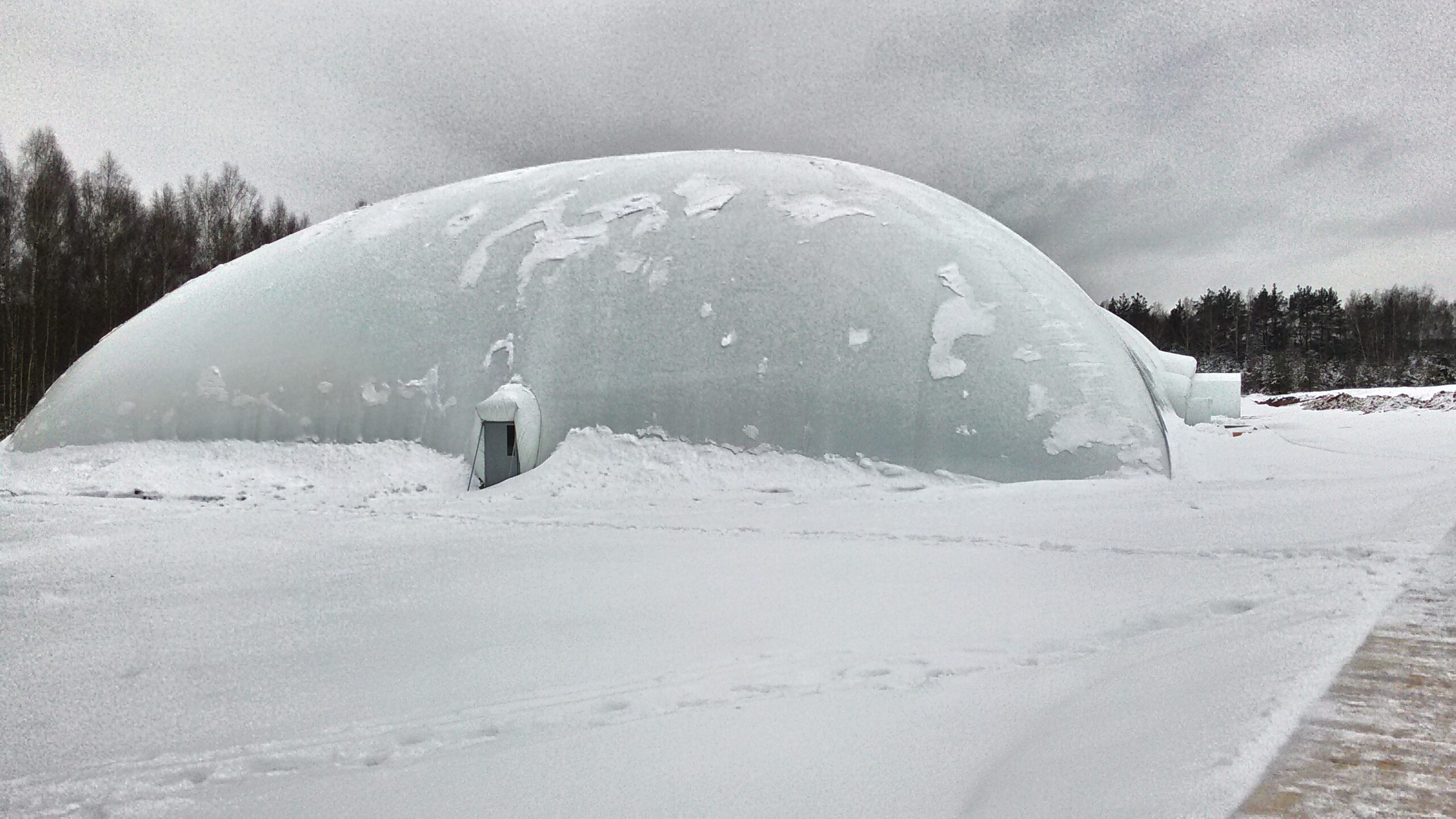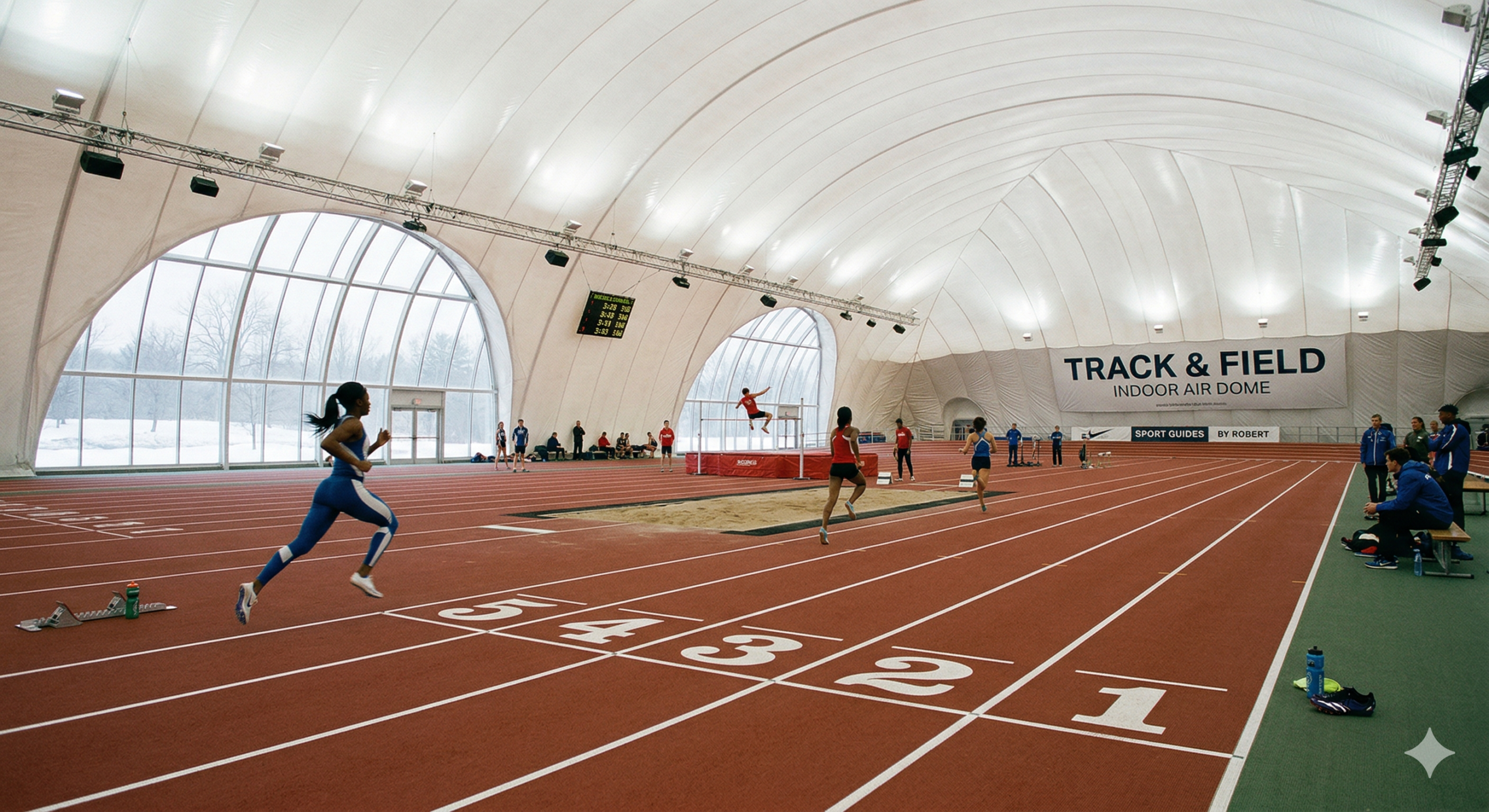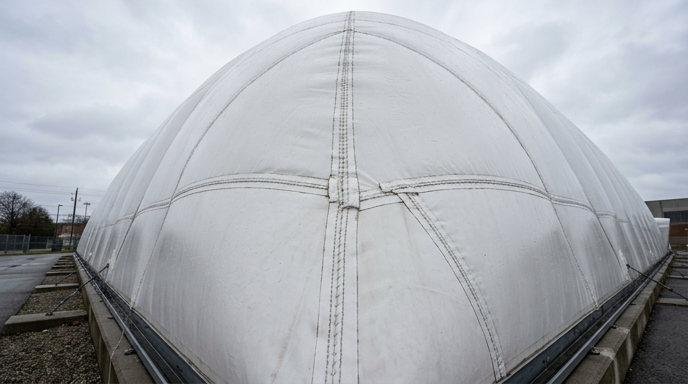
You’re looking at a substantial investment when you consider installing a batting cage air dome, but the numbers might surprise you. While the upfront costs seem intimidating—ranging from $150,000 to $400,000 depending on your specifications—the real challenge isn’t just the initial price tag. It’s understanding all the hidden expenses that can derail your project before you even break ground, and knowing which corners you can cut without compromising your facility’s success.
How Much Does A Batting Cage Air Dome Really Cost?
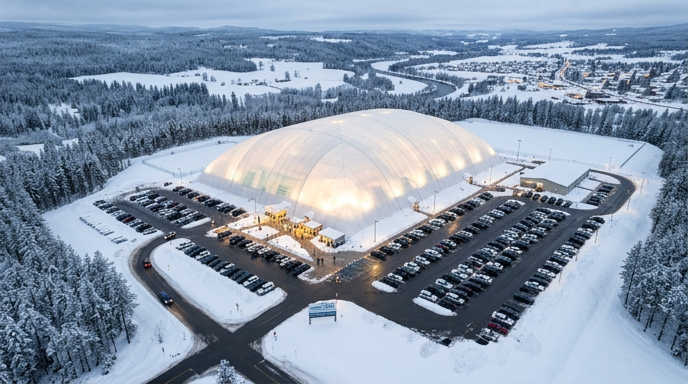
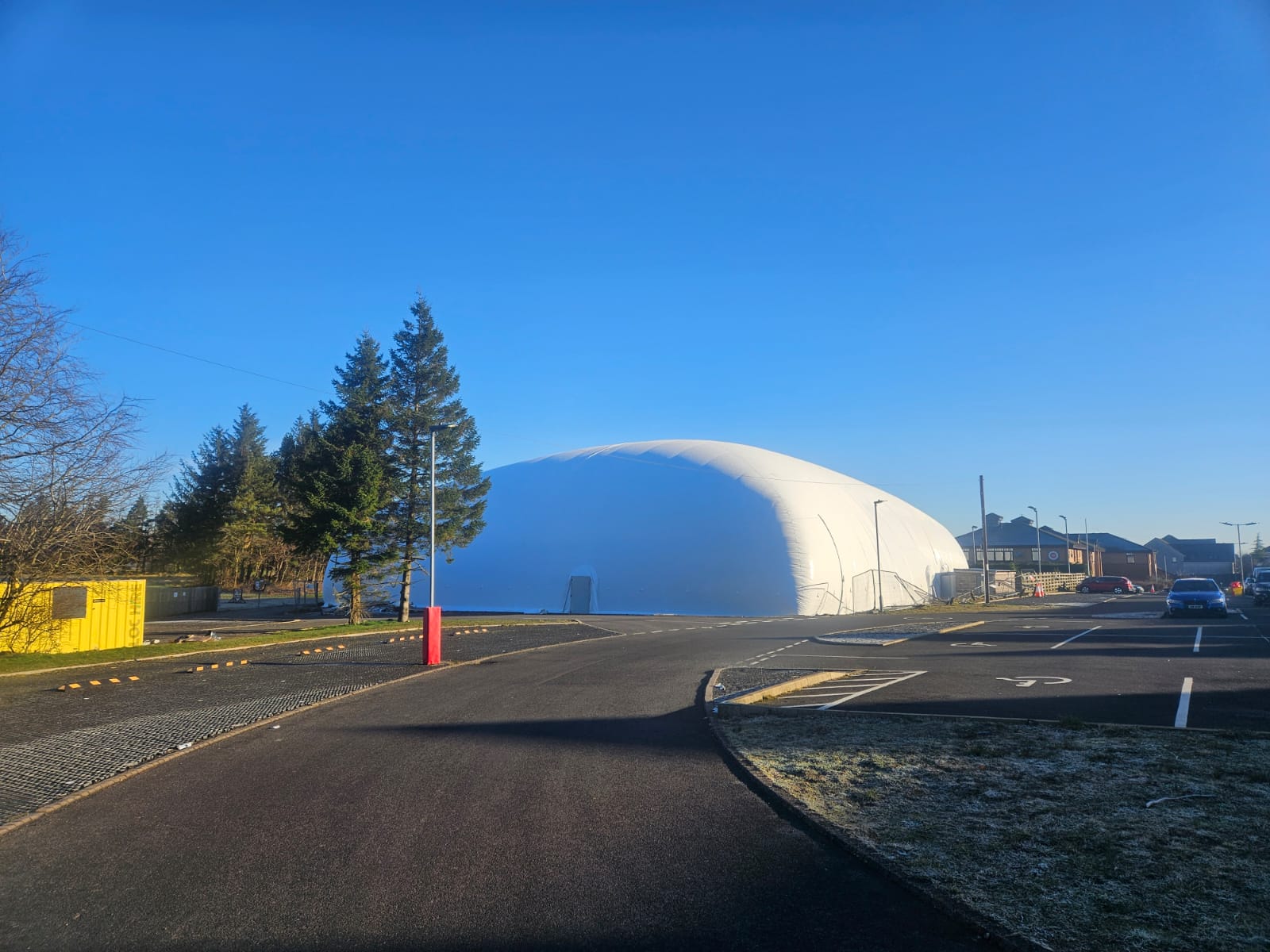
When you’re planning a batting cage facility, the air dome structure represents your largest upfront investment. A batting cage air dome for 4-6 cages typically costs between $300,000-$600,000 installed.
You’ll need a minimum facility size of 60′ x 100′ (6,000 square feet) with 25-foot height clearance to accommodate multiple cages safely.
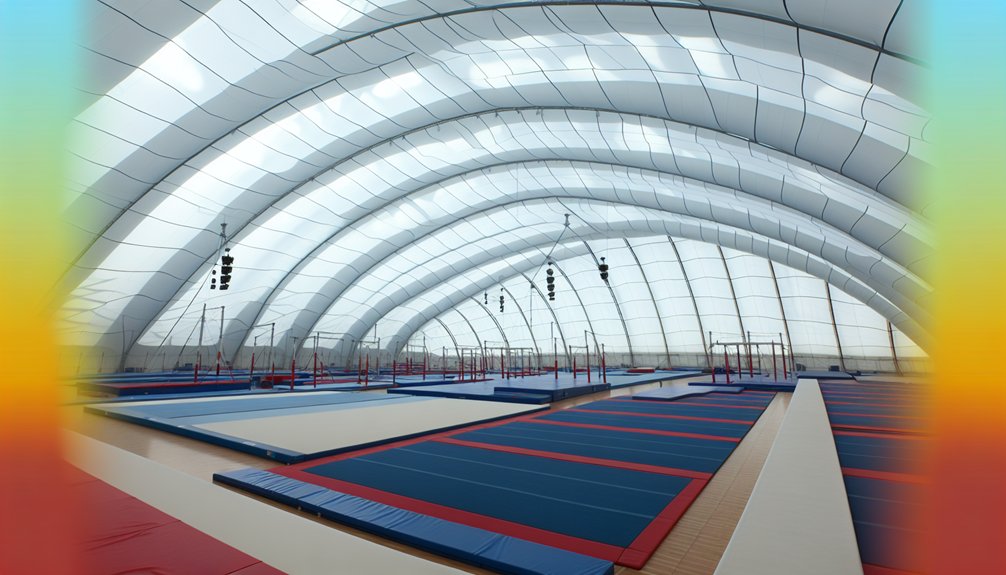
Individual cages measure 12′ wide x 14′ high x 70′ long, requiring precise planning for your hitting facility dome layout. The price variation depends on factors like dome materials, foundation requirements, ventilation systems, and local installation costs.
While this represents significant capital, indoor batting cages generate year-round revenue unlike outdoor facilities.
You’re investing in weather-independent operation, extended seasons, and consistent training conditions that attract serious players willing to pay premium rates.
Space Requirements For Your Batting Cage Dome Facility
Planning your batting cage dome facility starts with understanding the minimum space requirements that’ll determine your entire operation’s success. Each individual cage within your baseball cage dome measures 12 feet wide, 14 feet high, and 70 feet long. However, you’ll need considerably more space for a complete facility.
For a 4-6 cage operation, you’re looking at these requirements:
| Specification | Measurement (US) | Measurement (Metric) |
|---|---|---|
| Facility Width | 60 feet | 18.3 meters |
| Facility Length | 100 feet | 30.5 meters |
| Total Floor Space | 6,000 sq ft | 557 sq meters |
| Structure Height | 25 feet | 7.6 meters |
These dimensions guarantee proper spacing between cages, walkways for customers, and adequate overhead clearance for high fly balls during practice sessions.
Site Prep And Foundation Work You’ll Need
You’ll need to prepare a level foundation that can support your batting cage dome’s anchor points and withstand constant ball impacts.
Proper concrete anchoring requires precise measurements to match your dome’s specifications, while inadequate installation can lead to structural failure.
Don’t overlook drainage planning – water pooling around your foundation will create long-term problems that are expensive to fix later.
Ground Leveling Requirements
Before you can install your batting cage air dome, you’ll need a properly prepared foundation that meets strict leveling requirements. Your site must be level within 1-2 inches across the entire footprint to guarantee proper dome anchoring and structural integrity.
You’ll need to grade the 60′ x 100′ area, removing any slopes, bumps, or depressions. Use a laser level or transit to verify elevation consistency throughout the space.
If your site has significant grade changes, you’ll require cut-and-fill work or retaining walls.
The foundation should have proper drainage with a slight slope away from the structure’s perimeter. Install French drains if water pooling is a concern.
Most air dome manufacturers require a concrete perimeter footing that’s perfectly level for anchor point installation.
Concrete Anchor Installation
The concrete anchor system forms the critical connection point between your air dome structure and the foundation, requiring precise installation to handle the constant air pressure loads.
You’ll need to install heavy-duty concrete anchors every 4-6 feet around the dome’s perimeter, typically using wedge anchors or epoxy-set threaded rods rated for minimum 3,000-pound pull-out strength.
Mark anchor locations precisely using the manufacturer’s template, then drill holes to exact specifications – usually 5/8″ diameter by 6″ deep.
Clean debris from each hole thoroughly before inserting anchors. You’ll want to embed anchors flush with concrete surface, ensuring proper thread engagement for the dome’s base rail system.
Test each anchor’s holding power before proceeding with dome installation to prevent structural failure.
Drainage System Planning
Proper drainage planning prevents water accumulation that can undermine your batting cage foundation and create structural instability for the air dome system.
You’ll need to grade your 6,000 square foot site with a minimum 2% slope away from the structure’s perimeter. Install French drains around the foundation’s exterior, connecting to your local storm water system or designated drainage area.
Position catch basins at low points to collect runoff from the 60′ x 100′ footprint.
Your contractor should excavate drainage trenches 18-24 inches deep, filled with graded gravel and perforated pipe.
Don’t forget interior floor drains for cleaning and maintenance water removal.
Test your system thoroughly before dome installation, as retrofitting drainage under an inflated structure becomes extremely difficult and expensive.
Air Dome Installation Timeline And What To Expect
When planning your batting cage air dome project, you’ll typically face a 12-16 week installation timeline from contract signing to completion.
The first 4-6 weeks involve permit acquisition, site surveys, and foundation preparation. Your contractor will excavate, pour concrete footings, and install anchor points during this phase.
Weeks 7-10 focus on dome fabrication and delivery. The manufacturer custom-builds your structure while utility connections are finalized on-site.
You’ll see electrical conduit installation, lighting preparation, and HVAC rough-in during this period.
Final installation occurs in weeks 11-16. Crews will inflate the dome, secure anchoring systems, and complete interior buildout including batting cages, netting, and safety equipment.
Weather delays can extend timelines by 2-4 weeks, so plan accordingly for seasonal conditions.
Climate Control Systems That Keep Players Comfortable
Once your batting cage air dome is installed and operational, maintaining ideal temperature and air quality becomes your next priority.
You’ll need an HVAC system that handles the dome’s large volume efficiently while managing moisture from player activity.
Install heating units rated for your dome’s square footage, typically requiring 40-60 BTU per square foot. For a 6,000 sq ft facility, you’ll need 240,000-360,000 BTU capacity. Gas-fired units offer the most cost-effective heating solution.
Ventilation systems should provide 4-6 air changes per hour to prevent condensation and maintain air quality. Position intake and exhaust fans strategically to create proper airflow patterns throughout all batting cages.
Consider zone controls for different areas, allowing you to adjust temperatures based on usage. This reduces energy costs while ensuring player comfort year-round.
Financing Your Batting Cage Air Dome Investment
Although batting cage air dome projects require substantial upfront investment, you’ll find several financing options that make the $300K-$600K expense manageable. Equipment financing typically offers 7-10 year terms with competitive rates, while SBA loans provide longer repayment periods for established businesses. Many manufacturers offer lease-to-own programs that reduce initial capital requirements.
| Financing Option | Key Benefits |
|---|---|
| Equipment Loans | 10-15% down, 7-10 year terms |
| SBA Financing | Lower rates, longer terms |
| Manufacturer Leasing | Minimal upfront costs |
| Revenue-Based Funding | Payments tied to income |
Consider your facility’s projected revenue when choosing financing. Most successful batting cage operations generate $150K-$400K annually, making monthly payments of $3K-$7K feasible. You’ll want to secure pre-approval before finalizing your dome specifications and installation timeline.
Annual Maintenance Costs And Upkeep Requirements
While your batting cage air dome represents a considerable investment, maintaining it properly guarantees decades of reliable operation with relatively modest annual expenses.
You’ll spend approximately $8,000-$15,000 yearly on essential maintenance tasks. Your primary costs include fabric repairs ($2,000-$4,000), blower system servicing ($1,500-$3,000), and electrical maintenance ($1,000-$2,000).
Winter preparations require additional weatherproofing treatments costing $500-$1,500 annually.
Regular cleaning extends your dome’s lifespan considerably. You’ll need professional cleaning twice yearly ($800-$1,200 each session) to remove dirt, mold, and debris.
Inspect anchor points quarterly and tighten hardware as needed. Monitor fabric tension monthly to prevent stress tears. Replace worn zippers immediately to maintain proper air pressure.
Keep detailed maintenance records for warranty purposes and schedule professional inspections annually to identify potential issues before they become expensive repairs.